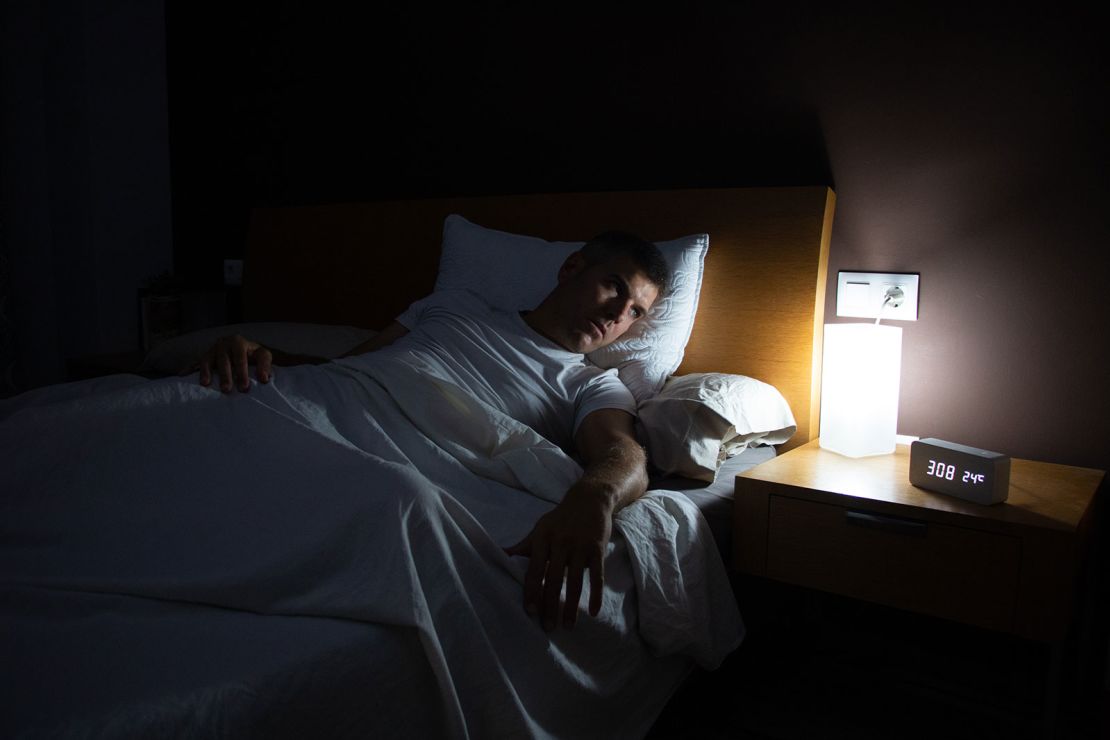
Waking up multiple times during the night—a phenomenon clinically referred to as sleep maintenance insomnia—may indicate underlying health conditions rather than simple sensitivity or stress. According to the National Sleep Foundation, fragmented sleep is a common symptom of various medical and psychological issues that require professional evaluation if they persist for more than three nights a week over a period of three months. Identifying the root cause is essential, as chronic sleep disruption is linked to an increased risk of cardiovascular disease, metabolic disorders, and impaired cognitive function, as noted by the Centers for Disease Control and Prevention (CDC).
Frequent nighttime awakenings often signal that the body’s circadian rhythm or physical state is being compromised by external or internal triggers. While many individuals attribute these interruptions to a “light sleeper” personality, medical experts emphasize that persistent sleep fragmentation is a clinical concern. Sleep hygiene, which includes managing light exposure and maintaining a consistent schedule, serves as the first line of defense, but persistent issues often necessitate diagnostic testing to rule out conditions such as sleep apnea, restless legs syndrome, or anxiety disorders.
Understanding Sleep Maintenance Insomnia
Sleep maintenance insomnia is defined as the inability to stay asleep throughout the night, resulting in frequent awakenings or an inability to return to sleep after waking. The Mayo Clinic reports that this condition affects people of all ages but is increasingly prevalent in older adults due to age-related changes in sleep architecture. Unlike sleep-onset insomnia, which involves difficulty falling asleep, maintenance insomnia focuses on the continuity of the sleep cycle.
When a patient reports waking up twice or more during the night, physicians typically investigate potential medical triggers. Common physical causes include nocturia (frequent urination), gastroesophageal reflux disease (GERD), and periodic limb movement disorder. Each of these conditions can cause micro-arousals that may not be fully remembered by the patient but effectively prevent the transition into deep, restorative sleep stages.
The Impact of Blue Light and Circadian Disruption
Modern lifestyle factors, particularly the use of electronic devices before bed, play a significant role in disrupting sleep cycles. The emission of short-wavelength “blue light” from smartphones, tablets, and computers suppresses the production of melatonin, the hormone responsible for signaling to the brain that it is time to sleep. According to research published by the National Institutes of Health (NIH), evening exposure to blue light can shift the circadian rhythm, making it harder for the body to maintain sleep depth in the early morning hours.

Limiting screen time at least one hour before bedtime is a recommended strategy to mitigate this effect. Beyond light exposure, environmental factors such as room temperature and noise levels can influence the frequency of awakenings. Experts suggest keeping the bedroom environment cool—ideally between 15 and 19 degrees Celsius—to support the body’s natural temperature drop, which is a physiological requirement for maintaining continuous sleep.
When to Seek Professional Medical Guidance
Persistent sleep fragmentation that interferes with daytime functioning, mood, or concentration warrants a consultation with a healthcare provider. A primary care physician may refer patients to a sleep specialist for an overnight sleep study, also known as polysomnography, to objectively measure physiological activity during sleep. This process helps identify specific disorders like obstructive sleep apnea, where breathing repeatedly stops and starts, causing the brain to wake the body to resume breathing.

Diagnostic protocols often involve tracking sleep patterns through a sleep diary for two weeks prior to a medical appointment. This record provides clinicians with necessary data on bedtime, wake time, and perceived quality of sleep. According to the National Heart, Lung, and Blood Institute, treatment plans are tailored to the specific diagnosis and may include Cognitive Behavioral Therapy for Insomnia (CBT-I), lifestyle modifications, or, in some cases, short-term pharmacological interventions.
Managing Sleep Hygiene for Better Health
Improving sleep quality frequently begins with consistent behavioral adjustments. The Sleep Foundation outlines several evidence-based practices to improve sleep continuity:

- Maintaining a strict wake-up time, even on weekends, to stabilize the circadian rhythm.
- Creating a “wind-down” routine that avoids intense mental or physical stimulation before bed.
- Limiting caffeine and alcohol intake in the afternoon and evening, as both substances are known to disrupt sleep cycles.
- Ensuring the sleeping environment is dark, quiet, and comfortable to reduce the likelihood of external disturbances.
For those struggling with chronic nighttime awakenings, the next step involves scheduling an evaluation with a certified sleep medicine specialist. Patients should prepare for their visit by documenting the frequency and timing of their awakenings, as well as any associated symptoms such as daytime fatigue or mood changes. As clinical guidelines continue to evolve, patients are encouraged to consult their local health authorities for updates on sleep health standards and available diagnostic resources. We invite readers to share their experiences with sleep health management in the comments section below.
Keep reading
- Understanding Neurodiversity: Embracing Cognitive Differences
- Understanding Health and Environment Regulations with the ARS
- Force-Placed Insurance, Explained: The Coverage You Never Chose (daybreakwire.com)
- House of the Dragon: Why Rhaena Targaryen Deserves Better Than Black Character Tropes (world-today-news.com)