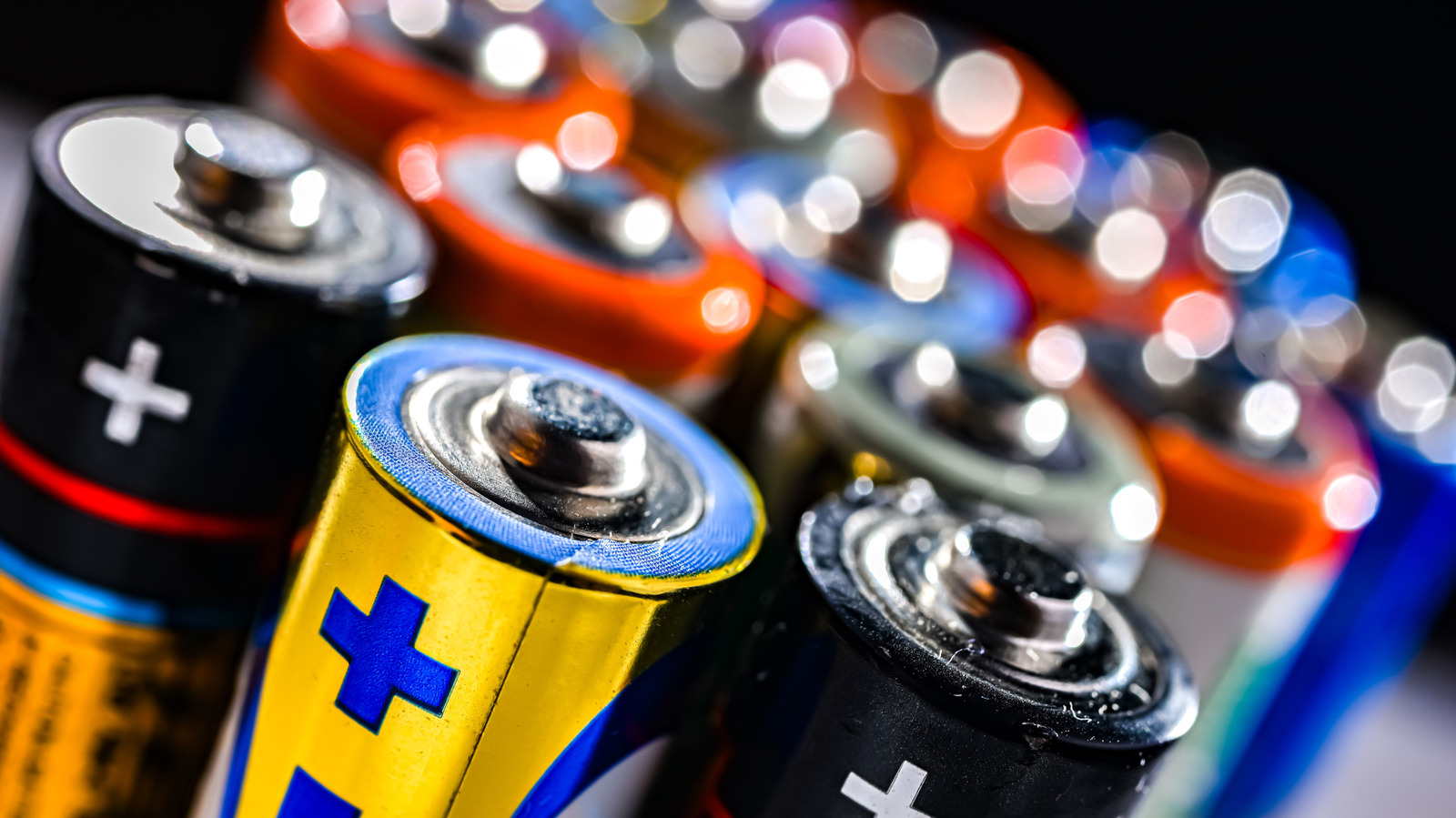
In homes around the world, drawers often serve as quiet repositories for forgotten items: spare keys, old receipts, and, frequently, loose batteries. Whether they’re AA cells from a remote control, lithium-ion packs from a discarded gadget, or button cells from a greeting card, these power sources are commonly stored without a second thought. Yet safety experts warn that this seemingly harmless habit can pose real risks, including fire, chemical leakage, and even explosion under certain conditions. Understanding why loose batteries demand more attention isn’t just about caution—it’s about preventing avoidable household hazards.
The danger stems from how batteries store and release energy. When terminals reach into contact with conductive materials—like keys, coins, steel wool, or even another battery—it can create a short circuit. This triggers a rapid discharge of energy, generating intense heat. In alkaline batteries, this may cause the casing to rupture and leak corrosive potassium hydroxide. With lithium-based batteries, particularly lithium-ion or lithium metal cells, a short circuit can lead to thermal runaway: a self-sustaining reaction that produces flames or explosive venting. While such incidents are relatively rare, they are documented and preventable.
To verify the scope of this risk, a search of incident reports from authoritative sources reveals multiple cases where improper battery storage contributed to fires. The U.S. Consumer Product Safety Commission (CPSC) has issued advisories noting that loose 9-volt batteries are especially hazardous due to their closely spaced terminals, which can easily bridge with metal objects. In one verified incident from 2018, a house fire in Maryland was traced to a 9-volt battery touching a steel pad in a kitchen drawer, igniting surrounding materials. The CPSC recommends storing batteries in their original packaging or covering terminals with non-conductive tape like electrical or duct tape to prevent accidental contact.
Beyond fire hazards, leaked battery chemicals pose health and environmental concerns. Alkaline batteries contain potassium hydroxide, a caustic substance that can cause skin irritation or eye damage upon contact. If leaked inside a device or storage area, it can corrode circuitry and damage electronics. While modern alkaline batteries are less prone to leakage than older versions, especially when stored properly, damage from mixing old and new batteries or exposing them to extreme temperatures increases the risk. Rechargeable lithium-ion batteries, though sealed, can vent toxic fluoride gases if damaged or overheated, according to testing by Underwriters Laboratories (UL).
Proper storage practices significantly reduce these dangers. Experts from organizations like the National Fire Protection Association (NFPA) and Battery University recommend keeping batteries in a cool, dry place, away from direct sunlight and extreme temperatures. They advise against storing batteries in metal containers or alongside loose metal objects. Instead, apply plastic organizers, dedicated battery cases, or the original packaging. For long-term storage, some suggest placing batteries in a sealed plastic bag at room temperature—refrigeration is generally unnecessary and can introduce moisture risks if not done carefully.
Disposal is another critical aspect often overlooked. Batteries should never be thrown in regular household trash where they can be crushed or punctured in waste collection vehicles, potentially causing fires in recycling centers or landfills. Many communities offer battery recycling programs through retailers like Home Depot, Lowe’s, or Best Buy, or via municipal hazardous waste facilities. Call2Recycle, a nonprofit stewardship program, provides a searchable database of drop-off locations across the United States and Canada. In the European Union, the Battery Directive mandates producer responsibility for collection and recycling, resulting in widespread retail take-back schemes.
Environmental impact also underscores the importance of responsible handling. Batteries contain valuable materials like lithium, cobalt, nickel, and manganese that can be recovered and reused. Improper disposal not only wastes these resources but risks soil and water contamination if casings degrade in landfills. According to the International Energy Agency (IEA), global demand for battery minerals is projected to grow significantly through 2040, driven by electric vehicles and energy storage systems—making efficient recycling increasingly vital for sustainable supply chains.
For consumers seeking clear guidance, several trusted sources offer practical steps. The CPSC’s battery safety page outlines storage and disposal tips, while UL’s Consumer Safety Institute provides educational content on preventing thermal events. Manufacturers like Energizer and Duracell also publish safety data sheets and usage guidelines online. These resources emphasize simple actions: keep batteries away from children and pets, avoid mixing types or ages, and inspect stored batteries periodically for signs of swelling, leakage, or corrosion.
While the image of a junk drawer filled with loose batteries may seem innocuous, it represents a little but manageable risk that benefits from awareness. Unlike complex technological threats, this hazard is mitigated through straightforward, low-cost behaviors. By treating batteries not as inert trash but as stored energy requiring respect, households can significantly reduce the chance of accidents. The next time you reach for a spare AA, consider not just whether it still works—but how it’s been sitting, and whether it’s safely contained.
As of the latest available data, no new federal regulations specifically governing household battery storage have been introduced in the United States in 2024. However, the Consumer Product Safety Commission continues to monitor incident reports and update safety guidance as needed. Consumers are encouraged to check the CPSC website (U.S. Consumer Product Safety Commission) for the most current advisories and recall information related to battery-powered products.
Staying informed doesn’t require expertise—just a moment’s attention to where and how we store the small power sources that keep our devices running. By sharing this knowledge, One can help prevent avoidable incidents and promote safer habits in homes everywhere.
Related reading