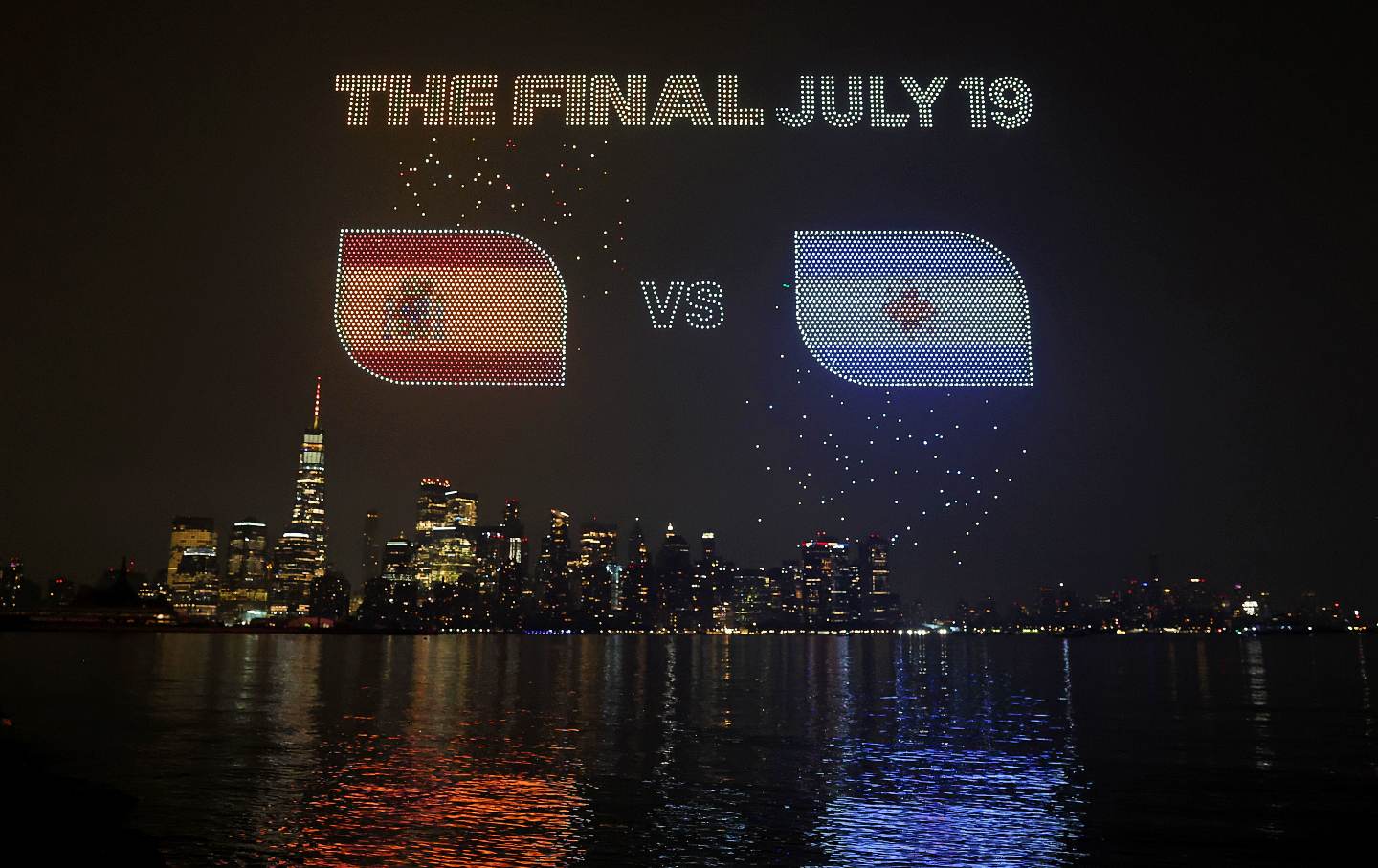
As international football tournaments often transcend the pitch to become reflections of national identity, the political climate surrounding major teams has drawn increased scrutiny from global observers. The intersection of sport and state policy remains a focal point for fans, particularly as the governing styles of leaders like Pedro Sánchez and Javier Milei influence how their respective nations are perceived on the world stage.
The role of sports in signaling national values has historical precedent, with recent discourse highlighting how athletic success is frequently leveraged to bolster political narratives. For followers of the game, the question of whether to support a national team based on its government’s policies represents a shift from traditional sporting loyalty to a more ideologically driven form of fandom.
Political Landscapes and Sporting Identity
The Intersection of National Triumph and Ideology
For many observers, a World Cup victory is viewed as more than just a collection of athletic achievements; it is seen as a validation of a nation’s current path. When a team succeeds, the political leadership of the country often seeks to associate itself with that victory to consolidate public support. This phenomenon, sometimes referred to as “sportswashing” when applied to human rights, or simply “national branding” in a democratic context, creates a direct link between the players on the field and the policies of the state.

The debate over whether fans should align their support with a team’s playing style or its government’s political leanings is not new, yet it has intensified as political polarization rises globally.
What Happens Next in International Football
The upcoming international calendar will serve as the next testing ground for these competing narratives. As Spain and Argentina prepare for their respective upcoming fixtures, the discourse surrounding their political leadership is unlikely to subside. The European Championship and the ongoing FIFA World Cup qualification rounds provide platforms where these national identities will once again be showcased to a global audience.
For those tracking the intersection of politics and sports, the next significant checkpoint will be the official FIFA rankings update and the subsequent tournament performance reviews. These metrics often dictate the level of media attention each team receives, which in turn influences the political discourse surrounding them. As these nations continue to compete, the conversation regarding whether sport can or should remain separate from politics will continue to evolve.
We invite our readers to share their perspectives on whether political climate should influence international sporting loyalties. Join the conversation in the comments section below and stay tuned to World Today Journal for further analysis on the intersection of global affairs and the beautiful game.
Worth a look