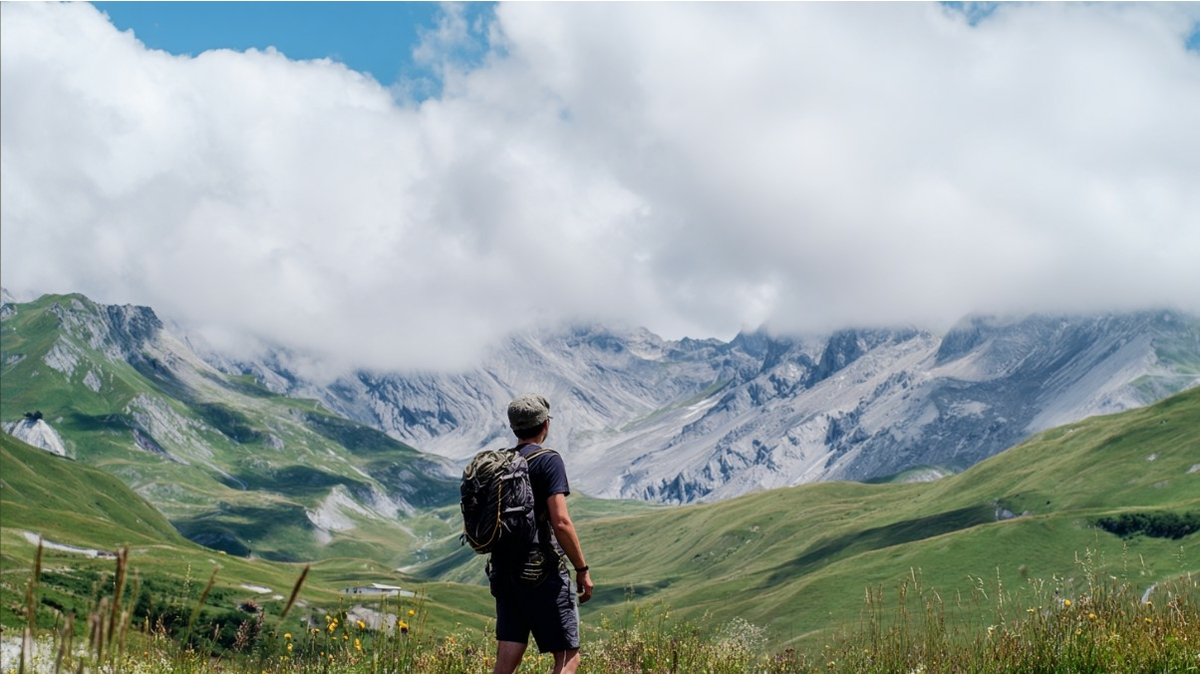
Artificial intelligence tools like ChatGPT are increasingly being used to assist with everyday tasks, from drafting emails to planning vacations. However, when it comes to outdoor activities such as hiking, experts warn that relying on AI for trail navigation and route planning poses significant safety risks. The Cévennes National Park in southern France recently issued a public advisory urging hikers not to depend on generative AI for preparing their treks, citing multiple incidents where AI-generated advice led to dangerous situations on rugged terrain.
The warning follows a pattern observed across several European national parks, where visitors have reported getting lost or injured after following AI-suggested routes that do not account for real-time trail conditions, weather hazards, or seasonal closures. While AI can process vast amounts of data, it lacks the contextual awareness and up-to-date environmental knowledge necessary for safe backcountry travel. Park officials emphasize that official maps, local ranger stations and verified hiking guides remain the most reliable resources for trip planning.
This growing concern highlights a broader issue: the overreliance on AI in high-stakes scenarios where accuracy and accountability are critical. As more people turn to conversational AI for practical guidance, understanding its limitations—especially in dynamic, outdoor environments—becomes essential for public safety.
Why AI Fails as a Hiking Companion
Generative AI models like ChatGPT are trained on static datasets that may not reflect recent changes in trail infrastructure, weather patterns, or ecological restrictions. Unlike official park services, which continuously update trail statuses based on ranger reports and environmental assessments, AI systems do not have real-time access to live data feeds. This means they might recommend paths that are closed due to landslides, flooding, or wildlife protection measures—information that only local authorities can provide accurately.
In a 2023 incident in the Cévennes, a group of hikers followed an AI-generated route that led them into a restricted zone during a peregrine falcon nesting season. Park rangers intervened to redirect the group, noting that the AI had no way of knowing about the temporary access ban, which is communicated only through on-site signage and official bulletins. Similar cases have been reported in the Pyrenees and the Alps, where AI-suggested trails crossed private property or traversed unstable terrain after heavy rains.
AI cannot assess a hiker’s physical fitness, experience level, or gear suitability—factors that are crucial when evaluating trail difficulty. A route deemed “moderate” by an algorithm might involve steep inclines, unmarked stream crossings, or sections requiring scrambling skills that the AI fails to contextualize. Without human judgment or local expertise, such recommendations can quickly escalate from inconvenient to life-threatening.
Official Guidance from Park Authorities
The Cévennes National Park, a UNESCO Biosphere Reserve spanning over 900 square kilometers across the Lozère and Gard departments, maintains a network of more than 5,000 kilometers of marked trails. According to the park’s official website, all route planning should begin with the park’s interactive trail map, which is updated weekly by field staff and includes alerts for closures, weather risks, and wildlife activity.
Park rangers strongly advise visitors to stop at one of the park’s six visitor centers before embarking on a hike. There, hikers can obtain printed topographic maps, consult with staff about current conditions, and receive personalized recommendations based on fitness level and interests. The park also offers guided walks led by certified naturalists, particularly recommended for those unfamiliar with the region’s microclimates and biodiversity.
In addition to local resources, the French Federation of Hiking (FFRandonnée) provides nationally recognized trail markers and maintains the GR (Grande Randonnée) network, which includes several routes passing through the Cévennes. Their official guides and mobile app are regularly updated and considered the gold standard for long-distance hiking planning in France.
The Risks of Misinformation in Outdoor Recreation
Beyond navigation errors, AI-generated advice can inadvertently promote environmentally harmful behavior. For example, some AI models have suggested off-trail shortcuts to save time, which can lead to soil erosion, damage to fragile vegetation, and disturbance to wildlife habitats. In protected areas like the Cévennes, where conservation is a core mandate, such actions violate park regulations and may result in fines.
There is also a growing concern about AI hallucinations—instances where the model generates false or fabricated information with confidence. A 2024 study by researchers at ETH Zurich found that when asked about trail conditions in remote mountainous regions, AI systems produced plausible-sounding but entirely invented details in nearly 30% of responses. These hallucinations included non-existent water sources, fake trail junctions, and made-up elevation profiles, all presented as factual.
Experts stress that while AI can be a useful tool for general inspiration—such as learning about a region’s history or identifying potential destinations—it should never replace verified sources when making decisions that affect personal safety. As one mountain rescue coordinator in the Alps put it: “AI doesn’t get tired, but it also doesn’t experience fear. And in the mountains, fear is often what keeps you alive.”
Best Practices for Safe Hiking Preparation
To ensure a safe and enjoyable hiking experience, outdoor professionals recommend a layered approach to planning:
- Start with official park websites and national trail associations for authoritative route information.
- Check weather forecasts from meteorological services like Météo-France or Mountain-Forecast.com, paying attention to elevation-specific predictions.
- Carry a physical map and compass—or a GPS device with downloaded offline maps—as a backup to smartphone reliance.
- Inform someone of your itinerary and expected return time, especially when hiking alone.
- Pack essential gear including water, food, layers, a first-aid kit, and a fully charged phone with emergency numbers saved.
- When in doubt, turn back. No summit or viewpoint is worth risking your safety.
Many national parks, including the Cévennes, offer free safety workshops during peak season. These sessions cover topics such as navigation, hypothermia prevention, and how to respond to sudden weather changes—skills that no AI can truly teach.
Looking Ahead: AI’s Role in Outdoor Education
While current AI limitations make it unsuitable for real-time trail guidance, some organizations are exploring ways to integrate AI responsibly into outdoor education. For instance, the U.S. National Park Service has piloted AI-powered chatbots on its websites to answer frequently asked questions about permits, camping rules, and accessibility—tasks where static information is sufficient and risks are low.
In France, the Parc national des Cévennes has expressed interest in using AI to multilingualize its educational content, helping international visitors understand park rules in their native languages. However, any such application would be carefully vetted and restricted to non-critical informational roles, with clear disclaimers about its limitations.
As AI technology evolves, ongoing collaboration between tech developers, outdoor experts, and land management agencies will be key to ensuring that innovation enhances—rather than endangers—the hiking experience. Until then, the message from park rangers remains clear: when it comes to navigating the wild, trust your boots, your map, and your instincts—not an algorithm.
Have you ever relied on AI for outdoor planning, or do you prefer traditional methods? Share your experiences and tips in the comments below, and help spread awareness about safe hiking practices by sharing this article with fellow adventurers.