
Retatrutide has emerged as a significant development in obesity pharmacotherapy, with clinical observations highlighting its potential to drive substantial weight reduction. As researchers continue to evaluate the efficacy of newer agents in the treatment of metabolic health, the focus remains on biological mechanisms that influence appetite regulation and gastric function.
For those navigating the complexities of weight management, understanding the underlying biology is essential. Weight loss is rarely a simple matter of self-discipline; rather, it is often a result of intricate physiological processes, including how the body manages satiety and energy expenditure. Recent insights into these mechanisms suggest that pharmacological interventions may play a supportive role alongside lifestyle modifications.
Understanding the Biological Drivers of Weight Loss
The conversation around weight loss often shifts between personal responsibility and biological reality. Medical professionals emphasize that the body’s internal regulatory systems—such as those governing hunger signals and digestion—frequently dictate the success of long-term weight maintenance. When individuals struggle to maintain weight loss, it is often because their biology is working to maintain a higher set point, regardless of conscious effort.
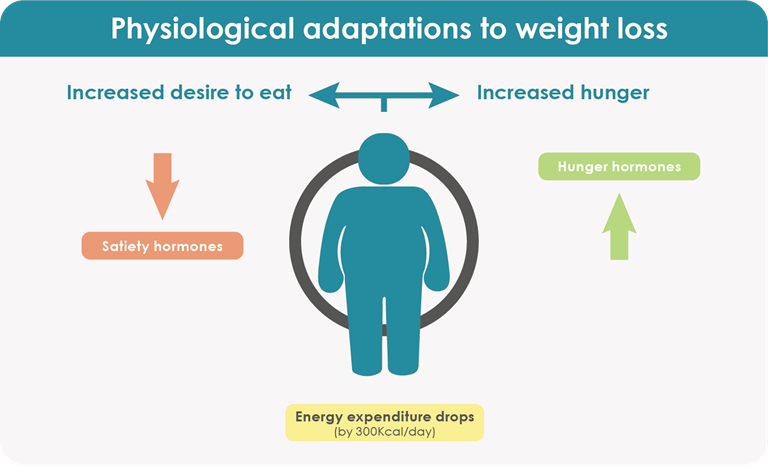
Research published in the journal Biomolecules in May 2025 highlights how novel pharmacotherapy, specifically retatrutide, functions within this biological framework. By targeting specific receptors, the medication aims to modulate the digestive process and appetite, providing a clinical approach to assist patients who have not achieved success through conventional methods alone. The study, led by researchers at the National & Kapodistrian University of Athens, notes that such treatments can effectively delay gastric emptying and reduce overall food intake, which are key components in the management of obesity (Biomolecules, 2025).
Efficacy and Clinical Considerations
Clinical data regarding retatrutide suggests that its impact on weight loss is notable, with studies demonstrating its superior efficacy compared to some existing treatment options. However, as with any medical intervention, the long-term application of these drugs requires careful consideration of patient needs and metabolic response. The goal for clinicians is to determine how best to integrate these therapies into a sustainable health plan.

One common question among patients involves the duration of treatment. While some assume that weight-loss medications require lifelong use, clinical practice often focuses on personalized titration. According to recent observations, many users may eventually transition to maintenance doses, which are frequently lower than the initial therapeutic levels required for active weight loss (Redfox Peptides, 2025). This approach aims to provide the necessary metabolic support while minimizing the total exposure to the medication once a target weight is achieved.
Looking Ahead in Obesity Treatment
The landscape of obesity pharmacotherapy is changing rapidly. As we move forward, the focus will likely remain on refining dosage strategies and understanding the long-term metabolic outcomes of using agents like retatrutide. Medical innovation continues to bridge the gap between clinical theory and practical patient care, offering new avenues for those dealing with the health implications of obesity.

Future updates will depend on ongoing clinical trials and the subsequent data released by regulatory bodies and research institutions. Patients are encouraged to consult with their healthcare providers regarding the latest treatment protocols and to stay informed through verified medical literature. We welcome your thoughts and experiences; please share your perspective in the comments section below.
Worth a look