
Municipal governments are increasingly designating lit soccer fields, or canchas iluminadas, as essential “safe spaces” for youth activity after dusk, aiming to extend recreational hours in urban areas. While the installation of high-intensity lighting systems can involve significant capital expenditure—often estimated at approximately $15,000 per individual pitch—proponents argue these investments provide critical social infrastructure that keeps children engaged in organized sports during evening hours when alternatives may be limited. According to the Urban Institute, well-lit public facilities correlate with increased community usage and enhanced perceptions of safety, though local authorities must balance these costs against broader municipal budget requirements.
The strategic expansion of lighting infrastructure for youth sports centers involves complex financial planning. Scaling a project to illuminate 50 individual fields requires an estimated capital outlay of $750,000, a figure that includes hardware, electrical grid integration, and labor costs. This investment strategy is frequently debated by city councils and urban planners who weigh the long-term health and social benefits of extended facility hours against immediate fiscal constraints. As reported by the World Bank, urban planning initiatives that prioritize inclusive, well-lit public spaces are essential for fostering social cohesion in densely populated regions.
The Economics of Extended Playtime
The primary driver behind the push for canchas iluminadas is the need to maximize the utility of existing public assets. In many urban environments, daylight hours are insufficient for the demand placed on community sports facilities. By installing LED floodlighting, municipalities can effectively double the available time for youth programming. However, the price point of $15,000 per field is not universal; it fluctuates based on local labor market rates, the existing electrical infrastructure, and the specific technology selected. A report by the Natural Resources Defense Council highlights that modern, energy-efficient lighting systems can significantly reduce long-term operational costs compared to older metal-halide alternatives, potentially offsetting the initial capital investment over a decade of use.

Critics of large-scale lighting projects often point to the opportunity cost of allocating $750,000 for 50 fields. These stakeholders argue that funds could alternatively be directed toward coaching programs, equipment, or facility maintenance during daylight hours. The tension between “infrastructure-first” versus “programming-first” approaches remains a central theme in local government budget hearings. According to the OECD, the most successful municipal projects are those that conduct thorough community needs assessments before committing to large-scale infrastructure spending, ensuring that the lighting aligns with actual neighborhood usage patterns.
Infrastructure and Social Safety
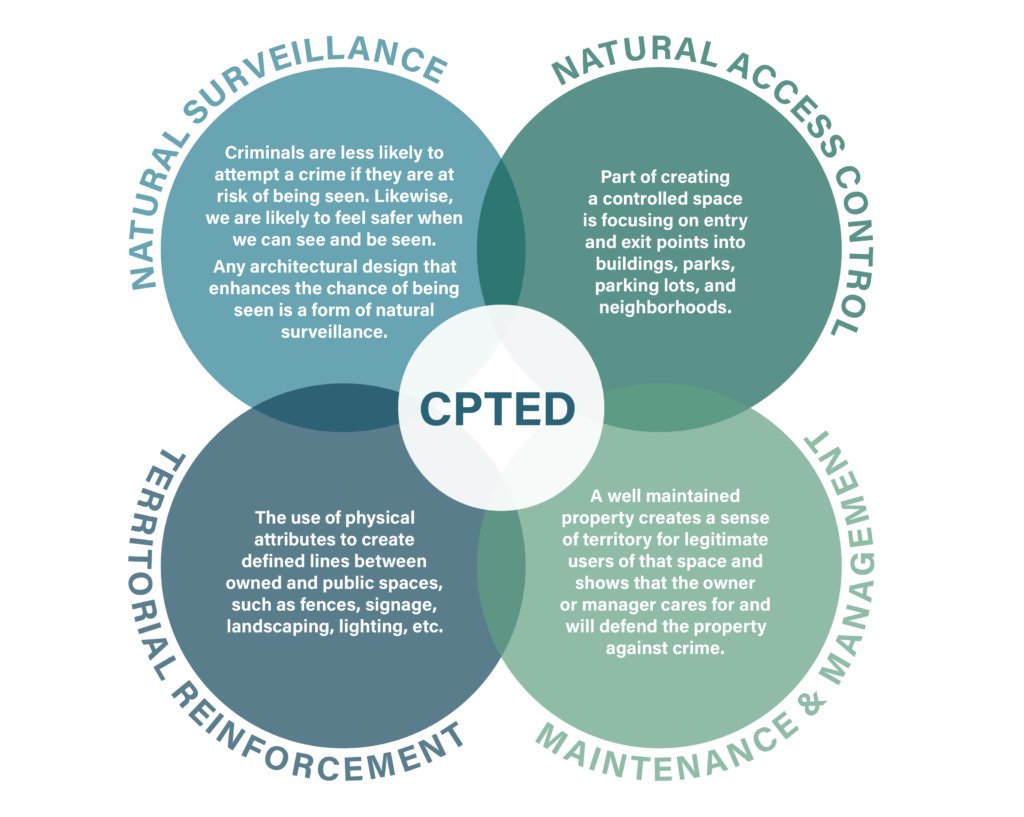
Beyond simple recreation, the “safe space” narrative surrounding lit soccer fields is grounded in the concept of Crime Prevention Through Environmental Design (CPTED). This approach suggests that well-maintained and properly lit public areas discourage illicit activity and promote a sense of ownership among local residents. When children and teenagers utilize these spaces under the supervision of coaches or community leaders, the facility acts as a hub for positive social interaction. Data from the U.S. Department of Justice regarding neighborhood safety initiatives suggests that the presence of organized, supervised activity in public spaces is a key factor in reducing juvenile delinquency rates in vulnerable urban zones.
However, the effectiveness of canchas iluminadas as a safety measure is heavily dependent on management. Lighting alone is rarely a panacea for social issues. Successful implementation typically requires a tandem investment in community outreach, consistent maintenance of the lighting systems, and partnerships with local youth organizations to ensure the fields remain active and supervised. Without these human-centric elements, infrastructure can fall into disrepair, rendering the initial investment ineffective.
Future Considerations for Municipal Planning
As cities continue to grow, the demand for accessible, late-evening recreational space is expected to rise. Local governments are increasingly looking toward public-private partnerships (PPPs) to share the financial burden of these projects. By collaborating with local businesses or sports clubs, municipalities can reduce the direct burden on taxpayers while ensuring that the fields are managed effectively. Future budget cycles will likely see more scrutiny of these projects, with an emphasis on sustainability and long-term maintenance rather than just the initial installation costs. Officials are encouraged to monitor upcoming municipal council agendas for public hearings regarding recreational facility upgrades and to review local budget transparency reports for detailed breakdowns of infrastructure spending.
The next phase of evaluation for these projects will likely occur during the upcoming fiscal budget reviews scheduled for the next quarter, where cities will assess the return on investment for recently completed lighting installations. Residents interested in how these funds are allocated or wishing to advocate for improved lighting in their local facilities should consult their municipal government’s official website or attend local neighborhood advisory board meetings. We welcome your thoughts on how your community balances the need for extended recreational hours with fiscal responsibility—please share your insights in the comments section below.
Worth a look