
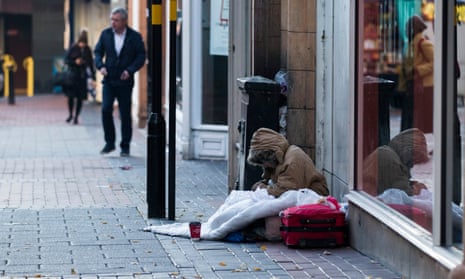
In the stratosphere of global wealth, few names carry as much weight as Bernard Arnault. As the chairman and CEO of LVMH, the luxury conglomerate that manages a portfolio of prestigious brands including Louis Vuitton and Moët Hennessy, Arnault has consistently ranked as the wealthiest individual in Europe. Yet, recent attention has shifted from his business acquisitions to the public perceptions and statements associated with his inner circle, specifically regarding the societal challenges of poverty and homelessness.
The discourse surrounding the wealthiest person in Europe often highlights the stark contrast between the extreme luxury of the LVMH empire and the systemic economic struggles facing millions. When the spouse of such a figure makes comments regarding the nature of homelessness—suggesting it may be a “life choice”—it ignites a broader debate about the disconnect between the ultra-wealthy and the realities of economic instability.
Bernard Arnault’s financial standing is staggering, with estimates of his fortune varying by source. According to some reports, his wealth has reached approximately 192 billion euros via Manners, while other 2025 estimates place his net worth at $178 billion via De Belegger. This level of accumulation places him in a unique position of global influence, where personal opinions on social issues are scrutinized through the lens of his immense economic power.
The LVMH Empire and the Scale of Wealth
To understand the context of these controversies, one must first understand the machinery behind the Arnault fortune. LVMH (Moët Hennessy Louis Vuitton) is not merely a company but a collection of “houses” that define global luxury. From high fashion and leather goods to perfumes and jewelry, the group dominates the luxury market, ensuring that Arnault remains a central figure in the European economic landscape.
The scale of this wealth is often compared to that of other global titans. While Arnault holds the crown in Europe, he often finds himself in a fluctuating battle for the top spot globally against figures like Elon Musk. For instance, in 2025, Musk’s wealth was reported at $342 billion, significantly eclipsing Arnault’s $178 billion via De Belegger. Despite the gap, Arnault’s influence in France and across the continent remains unparalleled.
Beyond luxury goods, Arnault has expanded his reach into media. He recently acquired the iconic French magazine Paris Match and the newspaper Le Journal du Dimanche from Vincent Bolloré via Quote. This move into the media sector has raised questions about the intersection of corporate power and journalistic independence, as Arnault has been described by some critics as the “wolf in cashmere.”
The Socio-Economic Divide and Public Perception
The tension between the LVMH brand’s image of exclusivity and the public’s expectation of social responsibility becomes evident when discussing homelessness. The claim that being homeless is a “life choice” is a point of significant contention. For those living in extreme poverty, homelessness is rarely a choice but rather the result of systemic failures, including lack of affordable housing, healthcare crises, and economic downturns.

When such views are attributed to the family of the wealthiest person in Europe, it reinforces a narrative of a “wealth gap” that is not just financial, but empathetic. The contrast is jarring: a family that oversees the production of handbags and champagne costing thousands of dollars, while others lack a basic roof over their heads. This perceived lack of understanding of the precarious nature of poverty often leads to public backlash and intense media scrutiny.
Comparing European Wealth Distribution
The concentration of wealth in Europe is heavily skewed toward a small number of individuals. While Bernard Arnault leads the list, other figures like Françoise Bettencourt Meyers (L’Oréal) and Amancio Ortega (Inditex/Zara) as well hold fortunes in the tens of billions via Manners. This concentration of capital often leads to discussions about wealth taxes and the role of billionaires in supporting social safety nets.
| Individual | Primary Source of Wealth | Reported Fortune |
|---|---|---|
| Bernard Arnault | LVMH | $178 Billion / €192 Billion |
| Françoise Bettencourt Meyers | L’Oréal | €73 Billion |
| Amancio Ortega | Inditex / Zara | $124 Billion / €70 Billion |
What So for Global Wealth Discourse
The reaction to statements regarding homelessness as a “choice” reflects a growing global trend of scrutinizing the ethics of the ultra-wealthy. In an era of increasing economic volatility, the public is less likely to accept the idea that poverty is a result of individual failure rather than systemic inequality.
For the business world, this highlights a critical demand for “social license.” Companies and their leaders are no longer judged solely on their quarterly earnings or the growth of their stock price, but on their perceived contribution to the common good. When the leadership of a global brand is seen as out of touch with the struggles of the average citizen, it can create a reputational risk that transcends the quality of their products.
The impact of this discourse is felt most strongly by those who are actually affected by homelessness. By framing a systemic crisis as a personal choice, the underlying causes—such as the lack of mental health support or the inflation of real estate markets—are ignored, potentially slowing the drive for policy changes that could provide real solutions.
Who is Affected?
- The Homeless Population: Those whose struggles are minimized or dismissed by the elite.
- LVMH Brand Image: The potential for a “luxury” brand to be perceived as “cold” or “detached” from humanity.
- Policy Makers: The ongoing debate over how to tax extreme wealth to fund social services.
- The General Public: Who grapple with the ethical implications of such extreme wealth disparity.
Conclusion and Future Outlook
The intersection of extreme wealth and social commentary remains a volatile space. As Bernard Arnault continues to expand his empire into new sectors like media, the scrutiny on his family’s public statements will likely increase. The debate over whether homelessness is a “choice” or a systemic failure is far from over, and it serves as a reminder of the vast psychological and economic distance between the world’s billionaires and the rest of society.
We find currently no scheduled official hearings or public filings regarding these specific social statements, but the ongoing monitoring of LVMH’s corporate social responsibility (CSR) reports will provide insight into how the company intends to address these perceptions in the future.
We invite our readers to share their thoughts in the comments below: Do you believe the ultra-wealthy have a moral obligation to understand the systemic causes of poverty, or should their private opinions remain separate from their business success?