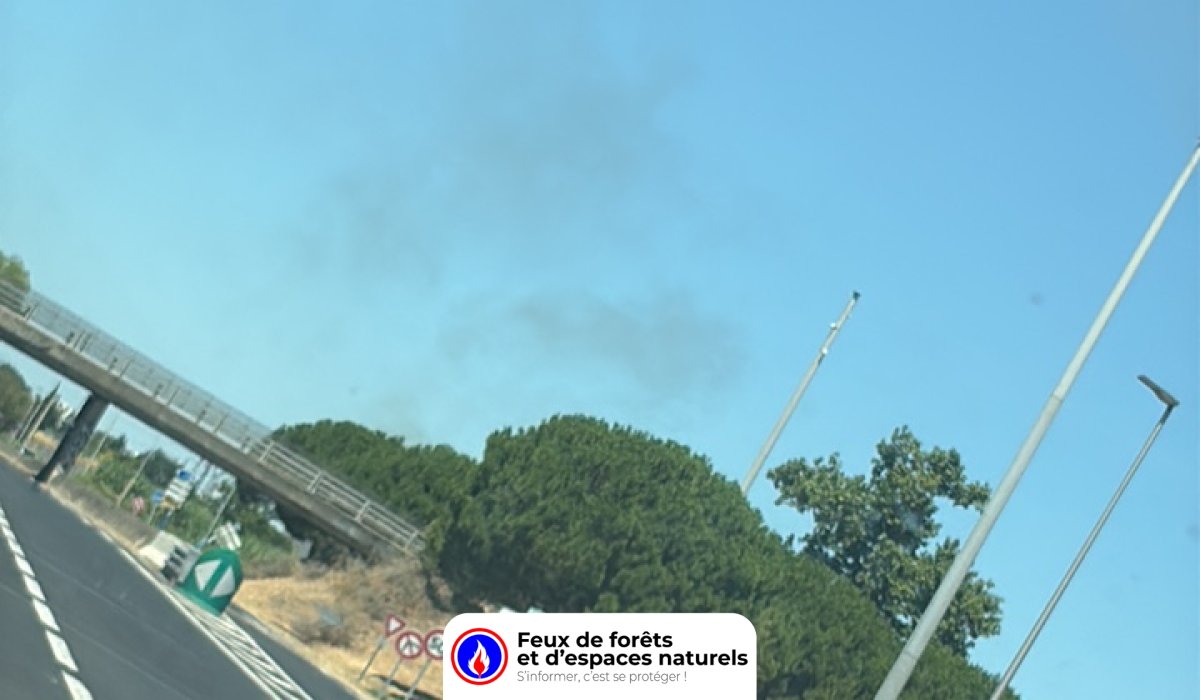
Firefighters in the Hérault department have successfully extinguished a brush fire that broke out in the commune of Lattes, near Montpellier, according to local emergency services. The blaze, which drew a rapid response from tactical fire crews, was brought under control without resulting in casualties or significant structural damage to residential zones.
The intervention, which mobilized specialized units from the Service Départemental d’Incendie et de Secours de l’Hérault (SDIS 34), highlights the ongoing vigilance required during periods of high thermal stress in Southern France. As of the latest official status updates, the site is being monitored to prevent any potential flare-ups, a standard procedure in the Mediterranean region where dry vegetation creates frequent seasonal fire risks.
Understanding the Response in Lattes
The fire in Lattes prompted an immediate deployment of ground units and, where necessary, aerial reconnaissance to assess the spread. According to the Service Départemental d’Incendie et de Secours de l’Hérault, authorities prioritize the containment of vegetation fires before they can reach urbanized areas or critical infrastructure. In this instance, the proximity of the commune to the Montpellier metropolitan area necessitated a swift tactical strike to ensure public safety.

Firefighting efforts in this sector often involve a mix of heavy tankers and specialized brush trucks designed to navigate the rugged, scrub-heavy terrain typical of the Hérault landscape. The effectiveness of these operations is frequently bolstered by the regional “Feux de Forêt” monitoring network, which coordinates real-time data to help crews target the most intense pockets of flame.
Regional Fire Risks and Prevention
The Hérault department, like much of the Occitanie region, remains subject to strict fire prevention protocols during the summer months. These measures are defined by the Prefecture of Hérault, which mandates that residents and visitors adhere to specific guidelines regarding the use of fire, smoking, and mechanical work in forested or dry areas. The goal is to minimize human-caused ignitions, which remain a leading factor in the start of regional wildfires.
The environmental conditions—often characterized by the “Tramontane” or “Mistral” winds—can rapidly turn a small patch of burning brush into a major incident. Consequently, public awareness campaigns encourage the immediate reporting of smoke or flames to the 18 or 112 emergency numbers. These reports allow for early intervention, which local officials credit for the high success rate in containing fires before they grow beyond control.
What Happens Next?
While the fire in Lattes is currently extinguished, the area remains under surveillance. SDIS 34 typically maintains a “mop-up” phase where crews systematically dampen hot spots to ensure that internal root systems or smoldering debris do not re-ignite under the afternoon heat. Residents are advised to continue monitoring official channels from the Mairie de Lattes for any updates regarding access to paths or parks that may have been temporarily closed during the operation.

For those interested in the broader context of fire safety, the Ministry for Ecological Transition provides comprehensive resources on how to maintain property to reduce fire risk. As the season progresses, community cooperation in reporting suspicious activity or early-stage fires remains the most effective tool in protecting the local ecosystem.
If you have information or photos of the event that may assist local authorities in their post-incident analysis, please contact the relevant municipal services. We invite readers to share their local perspectives on fire safety in the comments section below.