
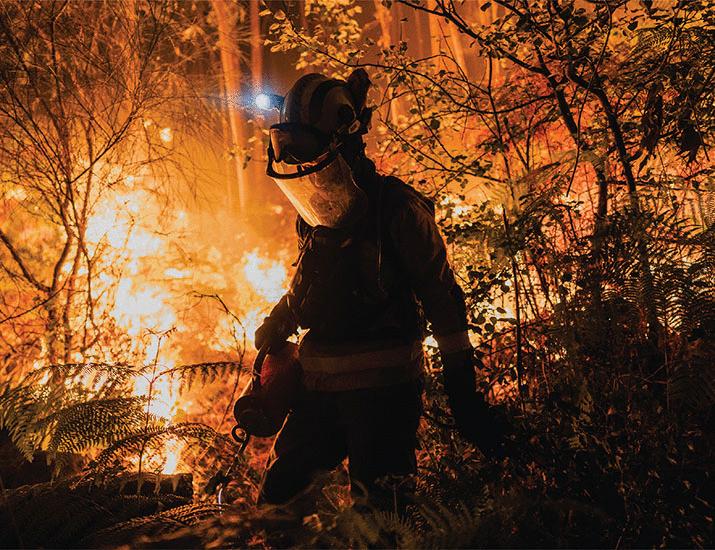
## Aligning Wildfire prevention with Conservation: A Holistic Approach
As of November 13, 2025, the escalating threat of wildfires globally demands a paradigm shift in how we approach prevention. Conventional methods, often focused on suppression, are proving insufficient in the face of climate change and increasing fuel loads. A more effective strategy lies in integrating wildfire prevention directly with broader conservation efforts, recognizing that healthy ecosystems are inherently more resilient to fire. This article delves into the critical need for this alignment, exploring innovative approaches and the scientific basis for prioritizing ecological health in wildfire management. The core of effective wildfire mitigation – wildfire prevention – is inextricably linked to the long-term health of our natural landscapes.
Did You Know? According to the National Interagency Fire Center (NIFC), over 57,000 wildfires burned over 2.6 million acres in the united States alone during the first nine months of 2024, highlighting the urgent need for proactive strategies.
The Limitations of Traditional Wildfire Suppression
For decades, the dominant approach to wildfires has been rapid suppression – extinguishing flames as quickly as possible. While undeniably crucial in protecting lives and property, this strategy has unintended consequences. Suppressing naturally occurring fires disrupts natural ecological processes, leading to fuel buildup and, paradoxically, increasing the risk of larger, more intense wildfires in the future. This creates a “fire debt,” where years of suppression result in a greater potential for catastrophic events. Furthermore,solely focusing on suppression often overlooks the underlying ecological factors that contribute to fire risk. A recent study published in *Global change Biology* (October 2025) demonstrated that areas with historically frequent, low-intensity fires are now experiencing unprecedented levels of fuel accumulation due to suppression policies, increasing the likelihood of crown fires – those that burn through the entire tree canopy – which are far more destructive.
Consider the case of the 2023 Maui wildfires, which tragically resulted in over 100 fatalities. While strong winds and dry conditions were immediate triggers, decades of agricultural land abandonment and the proliferation of invasive grasses created an exceptionally flammable landscape. This illustrates how land management practices, or lack thereof, can significantly exacerbate wildfire risk.
Integrating Conservation into Wildfire Prevention Strategies
A fundamental shift is required: moving from a reactive suppression model to a proactive prevention model rooted in ecological principles. This involves several key strategies. Firstly, prescribed burning – intentionally setting low-intensity fires under controlled conditions – can reduce fuel loads and restore fire-adapted ecosystems. secondly, forest thinning, strategically removing trees and underbrush, can create more resilient forests.However, thinning must be conducted thoughtfully, prioritizing the retention of larger, fire-resistant trees and promoting biodiversity. Thirdly, promoting diverse forest structures, with a mix of tree ages and species, can create natural firebreaks and reduce the spread of wildfires. and crucially, managing grazing patterns to reduce fine fuels and promoting native vegetation can significantly lower fire risk.
The Role of Ecosystem Restoration
Ecosystem restoration plays a pivotal role in long-term wildfire prevention.Restoring degraded landscapes, such as those impacted by logging or overgrazing, can enhance their resilience to fire. This includes reintroducing native plant species, improving soil health, and restoring natural hydrological processes. Such as, restoring riparian areas - the vegetated zones along rivers and streams – can create natural firebreaks and provide crucial habitat for wildlife. A pilot project in the Sierra Nevada mountains, California, demonstrated that restoring meadows and riparian areas reduced fire intensity by up to 40% compared to adjacent, degraded landscapes. this highlights the tangible benefits of investing in ecosystem restoration as a wildfire prevention strategy.
Leveraging Technology for Predictive Modeling
Advancements in technology are also providing new tools for wildfire prevention. Complex predictive models, utilizing data from satellites, weather stations, and ground-based sensors, can identify areas at high risk of wildfire ignition and spread. These models can incorporate factors such as fuel moisture content, wind speed, and topography to provide real-time assessments of fire danger. Furthermore, drones equipped with thermal imaging cameras can detect hotspots early, allowing for rapid response and preventing small fires from escalating into larger ones. Companies like Pano AI are pioneering the use of AI-powered camera systems to provide early wildfire detection, offering a significant advantage in rapid response capabilities.
Pro tip: Regularly clear vegetation around your home (creating a defensible space) and ensure your property





