
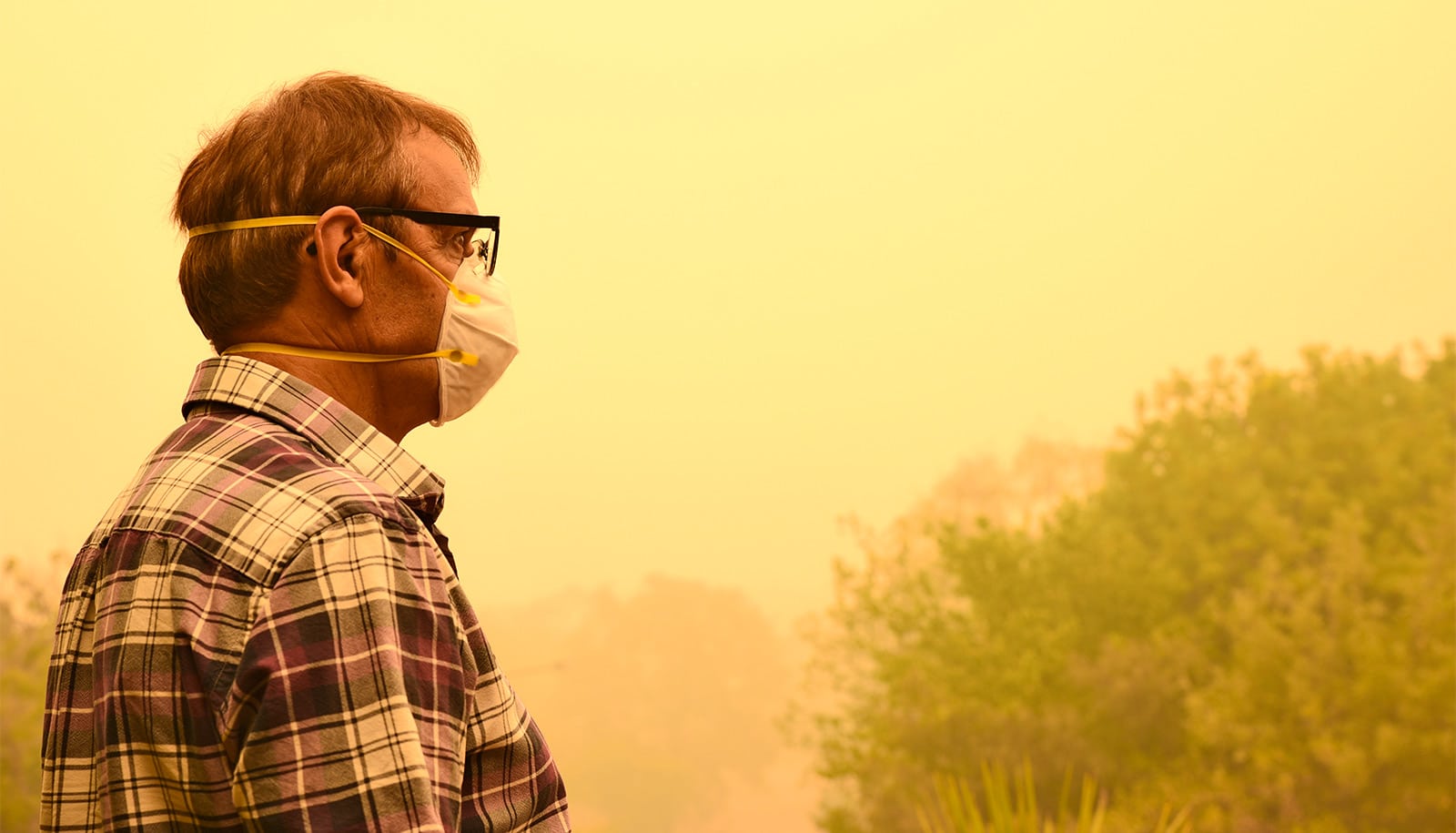
The Looming public Health Crisis: wildfire Smoke and the Projected Surge in US Deaths
Wildfire smoke is no longer a regional concern; it’s a rapidly escalating national health threat. New research, published in Nature, paints a stark picture of the future, projecting a dramatic increase in deaths linked to wildfire smoke exposure across the United States – possibly exceeding the combined economic damages from all other climate change impacts. This isn’t a distant problem; the effects are already being felt,and the window to mitigate the worst outcomes is rapidly closing.
For years, the health consequences of particulate matter (PM2.5) – microscopic pollutants that penetrate deep into the lungs and bloodstream – have been understood. However, the unique composition of PM2.5 found in wildfire smoke, containing a complex cocktail of toxic chemicals, presents a distinct and growing danger. This study, led by researchers at Stony Brook University and Stanford University, meticulously links population exposure to wildfire smoke with mortality rates, revealing a concerning trend and projecting a grim future.
A Data-Driven Assessment of a Growing Threat
The research team employed a sophisticated combination of statistical and machine learning models, analyzing US death records alongside estimated population exposure to wildfire smoke pollution. Their findings are deeply unsettling, revealing four key insights:
- Exponential Increase in Smoke Exposure: Under a high-warming scenario, average wildfire smoke exposure across the US population is projected to double or triple by 2050 compared to levels observed between 2011 and 2020.This dramatic increase is directly tied to the escalating aridity of vegetation - a consequence of climate change - which fuels more frequent and intense wildfires. This isn’t simply about larger fires; it’s about a essential shift in the landscape’s susceptibility to combustion.
- Even Low-Level Exposure is Harmful: The study demonstrates a clear correlation between even low levels of annual exposure to smoke PM2.5 and increased county-level mortality rates. This is a critical finding, as it suggests that the health impacts are not limited to areas directly impacted by large-scale fires, but extend to regions experiencing long-range transport of smoke. The pervasive nature of this threat is a significant concern.
- Projected Surge in Excess Deaths: By 2050, under a high-warming scenario, wildfire smoke PM2.5 is projected to contribute to over 71,000 excess deaths annually – a staggering 73% increase compared to the 2011-2020 average. This represents a considerable burden on the US healthcare system and a profound loss of life.
- Wildfire Smoke: The Most damaging Climate Impact? Perhaps the most alarming finding is that the economic damages associated with climate-induced deaths from wildfire smoke are projected to exceed the combined economic damages from all other climate change impacts in the US. this positions wildfire smoke as potentially the most deadly and economically devastating consequence of a warming planet.
Beyond Mortality: A Wider Spectrum of Health Impacts
The researchers emphasize that their analysis focuses solely on mortality,representing a conservative estimate of the true health burden. The study doesn’t account for the short- and long-term non-fatal health impacts of smoke PM2.5, including increased rates of respiratory and cardiovascular disease, worsened mental health, and the potential for long-run cancer risks due to the carcinogenic compounds present in wildfire smoke.
“Our understanding of who is vulnerable to this exposure is much broader than we thought,” explains senior study author Marshall burke, a professor of environmental social sciences at Stanford. He highlights particularly vulnerable populations, including pregnant women, school children, individuals with asthma, and those undergoing cancer treatment. This underscores the need for targeted public health interventions.
The Urgency of Adaptation and Mitigation
The findings of this study are a clear call to action. Simply acknowledging the problem is no longer sufficient. A multi-faceted approach is required,encompassing both proactive mitigation strategies and reactive adaptation measures.
Mitigation: Addressing the root cause - climate change – is paramount. Reducing greenhouse gas emissions is essential to curb the increasing aridity of vegetation and the escalating risk of wildfires.
Adaptation: Alongside mitigation, we must invest in strategies to protect public health in the face of increasing smoke exposure. These include:
* Improved Land Management: Implementing proactive forest management practices, such as prescribed burns, to reduce fuel loads and minimize the risk of catastrophic wildfires.
* Enhanced Air Quality Monitoring & Forecasting: Expanding air quality monitoring networks and improving smoke forecasting capabilities to provide timely warnings to vulnerable populations.
* Public Health infrastructure: Developing





