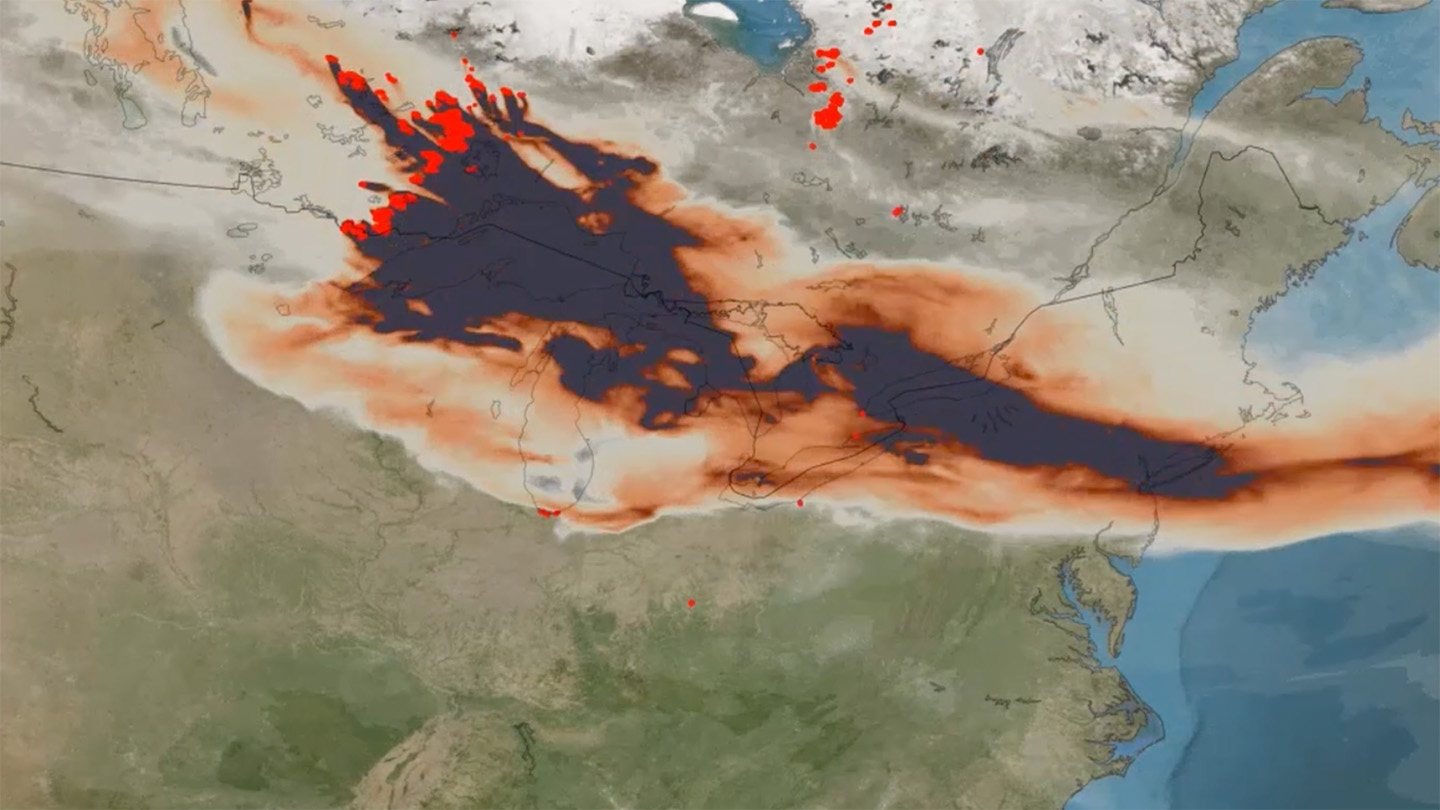
Canada’s unprecedented wildfire season sent dense plumes of toxic smoke billowing across international borders, affecting millions of residents across North America and drawing intense global scrutiny to the root causes of modern megafires. According to Natural Resources Canada, the intense blazes have burned millions of hectares of forest, overwhelming provincial and federal firefighting resources. While changing climate patterns create prolonged drought conditions and higher temperatures across the boreal forest, public officials and emergency management agencies are actively countering a parallel surge of online misinformation regarding the origins and management of these catastrophic fires.
The convergence of extreme meteorological conditions and widespread digital rumors has complicated emergency response operations. As federal authorities work alongside provincial ministries to safeguard vulnerable communities and critical infrastructure, scientific bodies emphasize that understanding the true drivers of these infernos requires looking closely at decades of forestry management, regional weather anomalies, and measurable shifts in seasonal precipitation patterns.
Climate Factors and Forest Conditions Fueling Canadian Wildfires
Extended periods of below-average rainfall combined with exceptionally high spring and summer temperatures have left vast tracts of timber and underbrush exceptionally dry. According to data published by the Canadian Forest Service, these arid conditions drastically lower the threshold for ignition, allowing lightning strikes and human activities to spark fast-moving blazes that resist initial containment efforts. The vast expanse of the boreal forest, characterized by highly combustible coniferous trees and deep organic soils, provides fuel loads that sustain high-intensity crown fires.
Meteorologists tracking the atmospheric conditions note that persistent high-pressure ridges have trapped warm air over western and central Canada for weeks at a time. This atmospheric blocking pattern prevents rain-bearing storm systems from moving through affected regions. Consequently, relative humidity levels drop sharply during the afternoon hours, creating volatile fire behaviors that challenge ground crews and aerial firefighting fleets alike.
Combating Misinformation During Active Emergencies
Alongside the physical threat of advancing flames, emergency services have faced an influx of false claims circulating on social media platforms. Agencies such as Public Safety Canada have stepped up public communications to debunk unverified assertions regarding intentional arson conspiracies and exaggerated equipment shortages. Officials stress that public trust in official channels remains vital for ensuring timely evacuations and adherence to regional fire bans.
Digital literacy initiatives and rapid-response fact-checking teams have become standard components of modern wildfire management. When unverified rumors gain traction online, municipal and provincial authorities use verified broadcast systems and official portals to release real-time updates regarding evacuation zones, road closures, and air quality advisories. This transparency helps mitigate panic and directs public attention toward actionable safety guidance issued by health authorities.
Public Health Impacts and Cross-Border Air Quality
The extensive smoke emissions generated by these fires carry fine particulate matter, known as PM2.5, across thousands of miles. Environmental protection agencies in both Canada and the United States have issued recurring air quality statements as airborne pollutants descend upon major metropolitan areas, reducing visibility and triggering health warnings for sensitive populations.
Medical professionals advise individuals with chronic respiratory conditions, cardiovascular disease, and older adults to limit outdoor exertion during peak pollution events. Public health departments recommend monitoring local air quality indices and utilizing certified filtration systems indoors to minimize exposure to hazardous smoke components.
Next Steps and Official Monitoring
Federal and provincial emergency management organizations continue to monitor seasonal forecasts and deploy resources ahead of shifting weather patterns. Residents in fire-prone regions can access daily updates, regional restriction maps, and preparedness checklists directly through the Canadian Wildland Fire Information System portal.
Keep reading
- WHO Launches PROTECT Strategy to Reduce Global Drowning Deaths
- Eating at Night: How Your Dinner Affects Gut Health and Digestion
- Spain Declares State of Emergency as Wildfires Rage in Madrid and France (archyworldys.com)
- French Army Mobilizes to Fight Massive Southwest Wildfires Near Bordeaux (newsdirectory3.com)