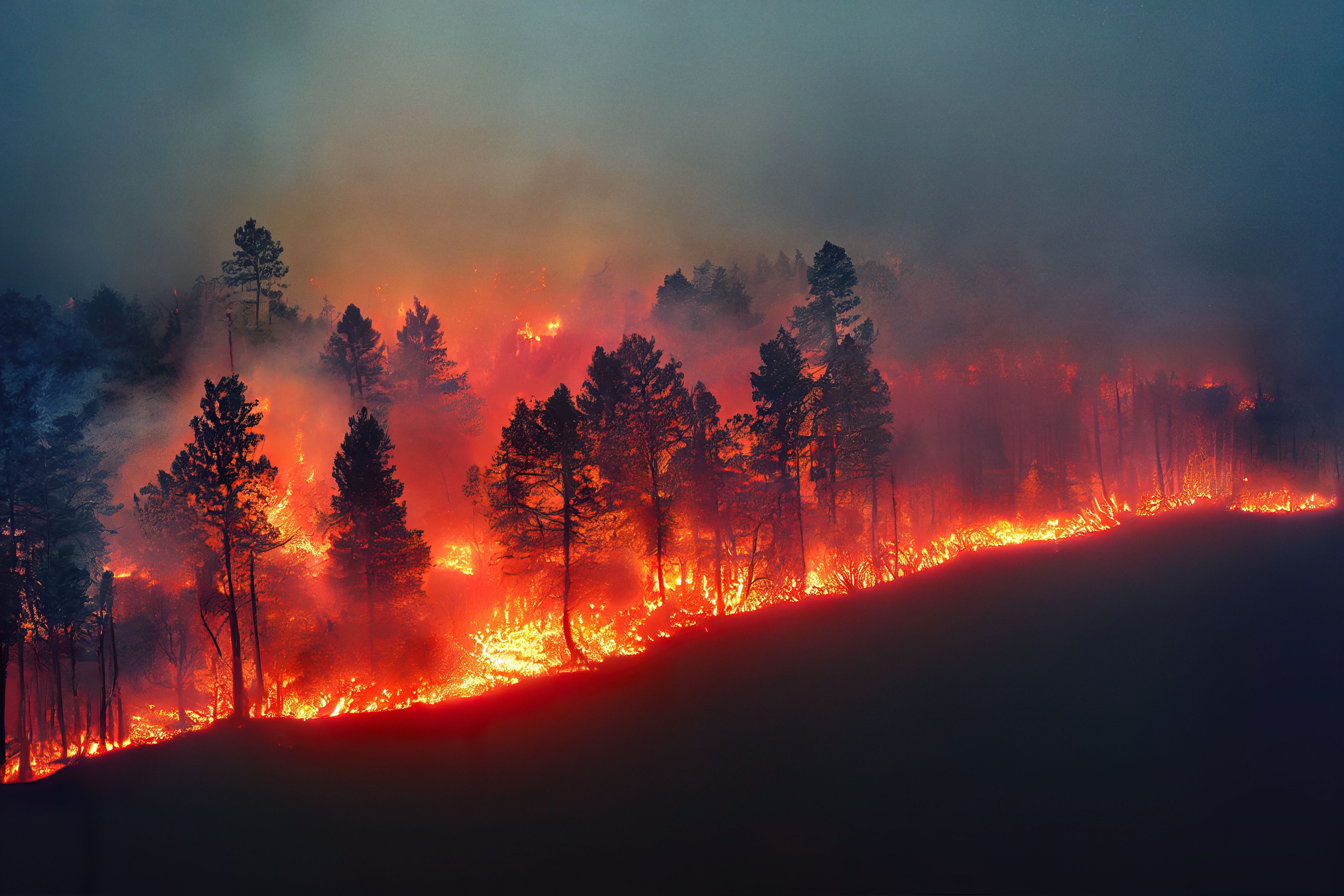
As fierce summer heatwaves spark raging wildfires across popular holiday destinations in Southern Europe, thousands of travelers are facing an agonizing choice: cut their well-earned trips short, or stay put as smoke clouds the horizon. For holidaymakers packing their bags in haste or eyeing emergency evacuation alerts, the sudden disruption raises pressing financial and legal questions. Understanding your rights as a vacationer can mean the difference between absorbing a massive financial loss and receiving a full reimbursement from your travel provider or insurer.
When wildfires force travelers to flee their accommodations or abandon their trips altogether, consumer protection laws and travel insurance policies dictate distinct courses of action.
Travel insurance companies across Europe report a sharp surge in calls from anxious tourists seeking clarity on what is covered when natural disasters strike.
Package Holidays Versus Independent Bookings
For travelers who booked a package holiday through a licensed tour operator, European consumer protection frameworks provide robust safeguards.
The situation changes considerably for independent travelers who book flights and accommodations separately. If your hotel remains structurally intact and open for business, but you choose to leave early out of safety concerns or discomfort caused by smoke and nearby fires, you generally have no automatic legal right to a refund from the hotel or airline. In these scenarios, recovery of expenses depends entirely on the goodwill of the provider or the fine print of a comprehensive travel insurance policy.
What Travel Insurance Covers During Wildfires
Realisations about the limits of standard insurance coverage often dawn on holidaymakers only when disaster strikes.
Caravan and camping enthusiasts face unique insurance hurdles. If you are holidaying with a touring caravan or motorhome, standard auto insurance covers third-party liability during transit, but comprehensive coverage for fire damage to the vehicle and its interior contents requires a specialized recreational vehicle policy. Insurers urge policyholders to inspect their specific policy schedules to verify whether storm and fire damage clauses include temporary structures or awnings located at campsites.
Tracking Safety and Preparing for Departure
With real-time tracking tools and European emergency monitoring systems now widely accessible online, travelers can monitor wildfire perimeters and air quality indices directly from their smartphones. Civil protection agencies across Southern Europe routinely update evacuation maps and safety warnings via official channels and mobile alert networks.
If you decide to leave your holiday destination hastily due to an escalating wildfire threat, document everything. Keep receipts for emergency transport, alternative lodging, and essential supplies. Take photographs of local conditions if safe to do so, and secure written confirmation of evacuation orders from local authorities or your hotel management. These records serve as vital evidence when filing claims with your insurance provider or tour operator upon your return.
As seasonal weather patterns continue to test regional emergency infrastructure, authorities advise all tourists to register with their respective foreign ministries before departure and remain anchored to verified updates from official civil protection services rather than unverified social media reports.
Worth a look