
When the urban sprawl of Mexico City (CDMX) is described as “cinema,” it is usually a reference to its dramatic architecture, its chaotic traffic, or its vibrant street life. However, a recent observation by entertainer Vadhir Derbez has shifted the spotlight toward a different kind of drama: the city’s unexpected urban fauna. By describing the local wildlife as “cine”—a contemporary Spanish slang term used to describe moments that feel surreal, epic, or scripted—Derbez highlighted a fascinating intersection of biodiversity and metropolitan living.
The sentiment resonated quickly across social media, sparking a wave of anecdotes from residents who have witnessed the daily, often comedic, struggles of animals navigating one of the world’s largest megacities. From squirrels darting through school zones to hawks circling skyscrapers, the “cinematic” quality of CDMX’s wildlife serves as a reminder that nature does not stop where the pavement begins; it simply adapts.
For global audiences, the idea of a bustling metropolis like Mexico City hosting a thriving animal population might seem surprising. Yet, the city’s geography—nestled in a valley and punctuated by massive green lungs—creates a unique ecological corridor. This coexistence is not always seamless, but as Derbez and his followers have noted, it provides a surreal backdrop to the daily commute, turning a simple trip to work or school into a scene from a nature documentary.
The “Es Cine” Phenomenon: Pop Culture Meets Urban Ecology
To understand why Vadhir Derbez used the phrase “es cine,” one must look at the linguistic evolution of current Spanish-language internet culture. In the lexicon of Gen Z and Millennials in Mexico and beyond, calling a situation “cine” (cinema) is the ultimate compliment for something that possesses a high level of drama, visual impact, or irony. It suggests that the event is so improbable or perfectly timed that it could only exist in a professionally directed movie.
By applying this term to the urban fauna of Mexico City, Derbez captured the absurdity of seeing wild animals in highly sterilized or industrial environments. The contrast of a wild squirrel maneuvering through a line of idling cars in a congested school zone is, a cinematic juxtaposition. It pits the primal instincts of survival against the rigid, metallic structure of modern urbanity.
Vadhir Derbez, a prominent figure in Mexican entertainment and the son of legendary comedian Eugenio Derbez, often uses his platform to blend humor with observations of daily Mexican life. His ability to frame a mundane sighting of city wildlife as a “cinematic” event has encouraged thousands of residents to share their own encounters, transforming a personal observation into a broader conversation about how humans and animals share the urban landscape.
Decoding the Fauna of CDMX: The Stars of the Show
While the social media discourse focused heavily on squirrels, the biodiversity of Mexico City is far more extensive than a single species. The city’s ability to support wildlife is largely due to its remnants of original forest and the strategic preservation of massive parks. The Secretaría del Medio Ambiente (SEDEMA) of Mexico City manages various conservation efforts to maintain these urban ecosystems, which act as refuges for numerous species.
The most visible “actor” in this urban drama is undoubtedly the Mexican Gray Squirrel (Sciurus aureogaster). These agile rodents are common in residential areas and parks, often seen leaping between branches or, as noted in resident anecdotes, navigating the treacherous gaps between parked cars. Their presence is a testament to their adaptability, as they have learned to forage for food in environments dominated by humans.
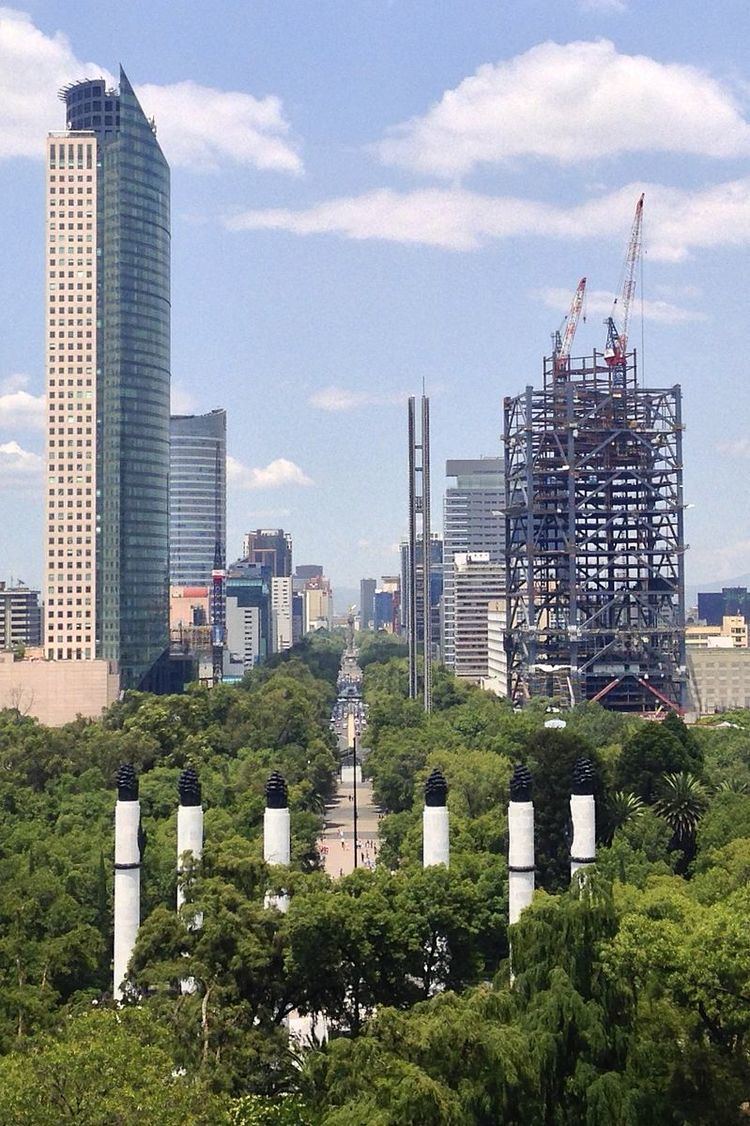
Beyond squirrels, the city’s skyline is frequently patrolled by raptors. Red-tailed hawks and various species of falcons utilize the thermal currents created by the city’s heat islands to hunt pigeons and smaller birds. For a resident looking up from a glass office tower in Paseo de la Reforma, the sight of a hawk diving through the skyscrapers is a literal “cinematic” moment of nature reclaiming the air.
In the more wooded fringes of the city, such as the Ajusco region or the Desierto de los Leones, larger mammals like the Virginia opossum and various raccoon species frequently venture into suburban neighborhoods. These nocturnal visitors often create “cinematic” tension for homeowners who find them raiding trash bins or exploring gardens, highlighting the thin veil between the urban center and the wild highlands that surround the valley.
The Coexistence Challenge: When “Cinema” Becomes Risk
While the visual of a squirrel running through a schoolyard is charming, the reality of urban wildlife often involves significant risk. The “cinematic” nature of these encounters frequently stems from the danger involved. When animals are forced to cross multi-lane avenues or navigate parking lots, the potential for conflict is high.

Resident accounts, such as those appearing in the wake of Derbez’s post, describe the frequent sight of squirrels “running from one car to another.” This behavior is a survival mechanism, as animals use vehicles as temporary cover while crossing open spaces. However, this puts them in direct peril from traffic and puts drivers in a position where they must make split-second decisions to avoid collisions.
This tension underscores a critical issue in urban planning: the lack of wildlife corridors. When green spaces are fragmented by highways and concrete, animals are forced into dangerous crossings. The “drama” that Derbez noted is actually a symptom of habitat fragmentation. To move from a “cinematic” experience to a sustainable one, urban ecologists emphasize the need for “green bridges” or biological corridors that allow fauna to move through the city without interacting with vehicular traffic.
Key Urban Wildlife Species in Mexico City
| Species | Typical Habitat | Behavioral “Cinematic” Trait |
|---|---|---|
| Mexican Gray Squirrel | Parks, Residential Gardens | Acrobatic leaps between cars and trees |
| Red-tailed Hawk | Skyscrapers, High-rise rooftops | High-altitude hunting over urban canyons |
| Virginia Opossum | Suburban fringes, Drainage systems | Nocturnal foraging in residential areas |
| Pigeon/Common Dove | Plazas, Public squares | Mass flocking movements in city centers |
The Role of Chapultepec: The City’s Ecological Anchor
Any discussion of Mexico City’s fauna is incomplete without mentioning the Bosque de Chapultepec. As one of the largest urban parks in the Western Hemisphere, Chapultepec serves as the primary sanctuary for the city’s wildlife. It is not merely a recreational space for humans but a critical genetic reservoir for the species that Vadhir Derbez described as “cinema.”

The park provides the necessary cover, water sources, and food supplies that allow species to survive the harsh conditions of the surrounding city. When animals “spill over” into the nearby neighborhoods of Polanco or Lomas de Chapultepec, they are often venturing out from this central hub. The park’s diverse micro-ecosystems—ranging from lakes to dense forests—allow for a variety of bird and mammal species to thrive, which then migrate into the urban fabric.
The preservation of such spaces is vital. Without the “anchor” of Chapultepec, the urban fauna would likely collapse, leaving the city a biological desert. The fact that residents can witness wild animals in their daily lives is a direct result of the city’s commitment to maintaining these massive green zones, even amidst extreme population density.
Practical Guidance for Interacting with Urban Wildlife
As the “es cine” trend brings more attention to the animals of CDMX, it is important for residents and tourists to interact with this fauna responsibly. The desire to capture a “cinematic” photo or video can often lead to behaviors that harm the animals or the humans involved.
- Avoid Feeding: While it may seem kind, feeding squirrels or raccoons disrupts their natural foraging instincts and can make them overly aggressive or dependent on humans.
- Maintain Distance: Urban animals can be unpredictable. Keeping a respectful distance ensures that the animal does not feel threatened and prevents potential bites or scratches.
- Drive Cautiously in Green Zones: In areas known for high wildlife activity, such as near the forests or large parks, reducing speed can prevent the tragic “cinema” of roadkill.
- Report Injured Animals: Rather than attempting to rescue a wild animal, residents should contact local environmental authorities or certified wildlife rehabilitators.
Conclusion: The Living City
Vadhir Derbez’s observation may have started as a lighthearted social media post, but it points to a profound truth about the nature of modern cities. The “cinema” of CDMX’s fauna is a reminder that the boundary between “civilization” and “wildlife” is an illusion. Animals are not merely visitors in our cities; they are permanent residents who have adapted to the noise, the smog, and the concrete.
The fascination with these encounters reflects a deeper human need to connect with nature, even in the heart of a metropolis. When we stop to watch a squirrel navigate a parking lot or a hawk soar over a skyscraper, we are acknowledging that the city belongs to more than just humans.
The next official update regarding the city’s urban biodiversity and conservation efforts is typically released through the annual reports of the Secretaría del Medio Ambiente, which outlines new initiatives for urban reforestation and wildlife protection.
Do you have a “cinematic” encounter with wildlife in your city? Share your stories in the comments below and let us know which urban animals surprise you the most.
Related reading