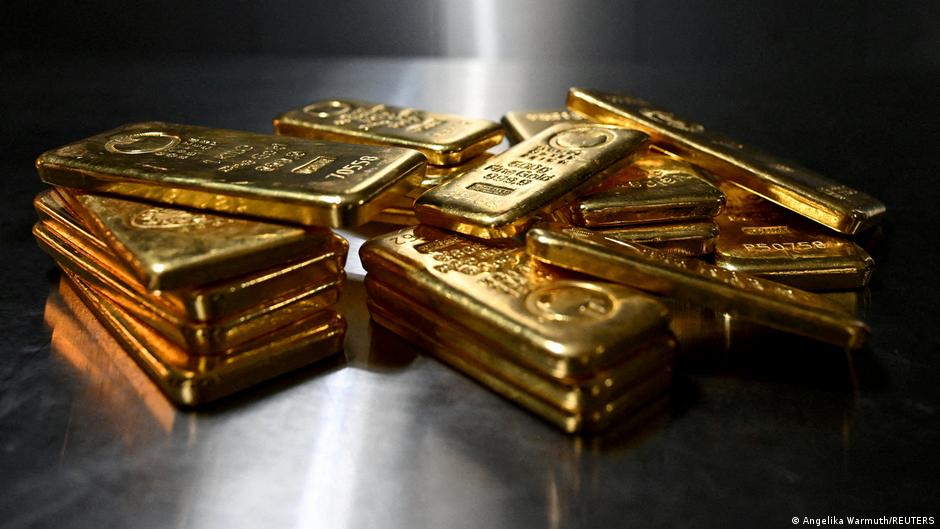
Gold prices have reached historic highs throughout 2024, driven by a confluence of geopolitical instability, central bank purchasing, and shifting expectations regarding global interest rate policies. As of late 2024, the precious metal continues to function as a primary safe-haven asset for investors seeking to mitigate risk amidst persistent inflation and ongoing conflicts in the Middle East and Ukraine, according to data from the World Gold Council.
The metal’s ascent is not merely a product of retail demand but is significantly bolstered by sustained acquisitions from global central banks. Financial analysts observe that this structural shift in demand has created a “floor” for gold prices, preventing the sharp corrections typically seen in other commodities. For investors, the central question remains whether this momentum can be sustained as the U.S. Federal Reserve and other major central banks enter a cycle of monetary easing.
Geopolitical Uncertainty and Central Bank Strategy
The primary catalyst for the sustained gold rally is the persistent demand from central banks, particularly those in emerging markets looking to diversify their foreign exchange reserves away from the U.S. dollar. According to the International Monetary Fund, the trend of central bank diversification has been a multi-year phenomenon that accelerated following the freezing of Russian reserves in 2022. This institutional buying provides a consistent source of demand that is largely independent of short-term market volatility.
Beyond central bank activity, geopolitical risk premiums are currently baked into the price of gold. Investors traditionally pivot to bullion during periods of heightened tension, viewing the asset as a hedge against currency devaluation and systemic financial shocks. As reported by the Reuters news agency, the ongoing instability in the Middle East has consistently provided a “buy on dips” narrative for institutional traders, keeping prices near record levels throughout October 2024.
The Impact of U.S. Federal Reserve Policy
The relationship between gold prices and U.S. interest rates is historically inverse. Because gold does not pay dividends or interest, it generally becomes more attractive when interest rates fall, as the opportunity cost of holding non-yielding assets decreases. The U.S. Federal Reserve’s decision to begin reducing the federal funds rate in September 2024 has served as a significant tailwind for the metal.

Market participants are now closely monitoring the “dot plot” and inflation data to gauge the pace of further cuts. While a lower interest rate environment is generally supportive of gold, some analysts warn that if U.S. economic data proves more resilient than anticipated, the Fed might slow its pace of easing. This would likely strengthen the U.S. dollar, potentially creating a headwind for gold prices. However, the current consensus among major financial institutions, including Goldman Sachs, maintains that gold remains a critical component for portfolio protection in an era of fiscal uncertainty.
Market Outlook and Investor Considerations
For the average investor, the rapid rise in gold prices presents a complex landscape. While the trend has been upward, the metal is currently trading at historically high valuations, which increases the risk of a technical correction. Financial advisors emphasize that gold should be viewed primarily as a long-term store of value rather than a speculative instrument for short-term gains.
The next major checkpoint for the market will be the upcoming Federal Open Market Committee (FOMC) meeting, where officials will provide updated projections on both economic growth and the trajectory of interest rates. These disclosures often trigger significant price movements in precious metal markets as algorithmic and institutional traders recalibrate their positions.
As the global economy navigates this period of high volatility, the price of gold will likely remain tethered to the interplay between central bank liquidity and the evolution of global security threats. Investors are encouraged to monitor official filings from regulatory bodies and central bank policy statements to stay informed on the shifting macroeconomic conditions. We invite our readers to share their perspectives on how these market dynamics are influencing their own investment strategies in the comments section below.
Worth a look