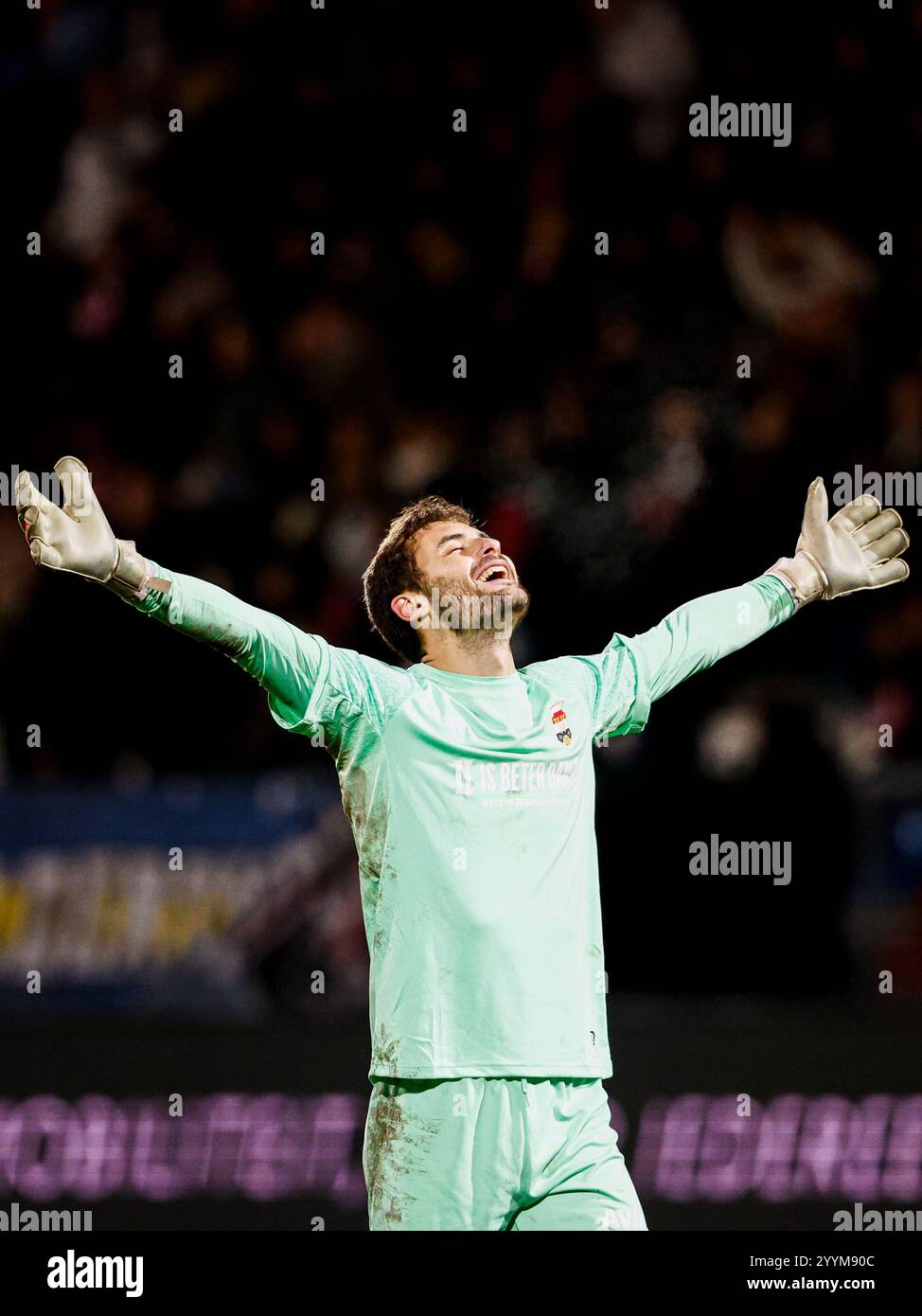
The landscape of Dutch football shifted dramatically this weekend as Willem II secured a long-awaited return to the Eredivisie. In a high-stakes encounter that tested the nerves of players and supporters alike, the club from Tilburg navigated a tense conclusion to their promotion battle against FC Volendam. The decisive moment arrived not from a striker, but from the hands—and eventually the feet—of goalkeeper Thomas Didillon-Hödl, whose composure during the penalty shootout proved to be the difference between promotion and another season in the second tier.
For Willem II, the victory marks the culmination of a rigorous season in the Eerste Divisie. The final stages of the promotion play-offs are often defined by fine margins, and this year proved no exception. As the tension mounted, Didillon-Hödl found a unique source of mental clarity. In the immediate aftermath of the match, he shared that his thoughts turned toward his newborn daughter as he stepped up to take the penalty that would ultimately seal the club’s promotion. This personal reflection served as an anchor during one of the most pressurized moments of his professional career.
The atmosphere in Tilburg, often described as a city that lives and breathes for its football club, was electric as news of the result spread. For the players, the achievement represents the fulfillment of a primary objective set at the start of the campaign. While the focus remained on the tactical discipline required to overcome their opponents, the emotional weight of the promotion was palpable among the squad and the coaching staff.
A Strategic Return to the Eredivisie
Willem II’s path back to the top flight of Dutch football was characterized by a consistent performance throughout the season. The club, which maintains a significant following in the Brabant region, has navigated the challenges of the second division with a clear emphasis on squad depth and tactical flexibility. The promotion serves as a validation of the club’s long-term strategy to stabilize their operations and return to a level of competition that aligns with their historical standing in the Netherlands.
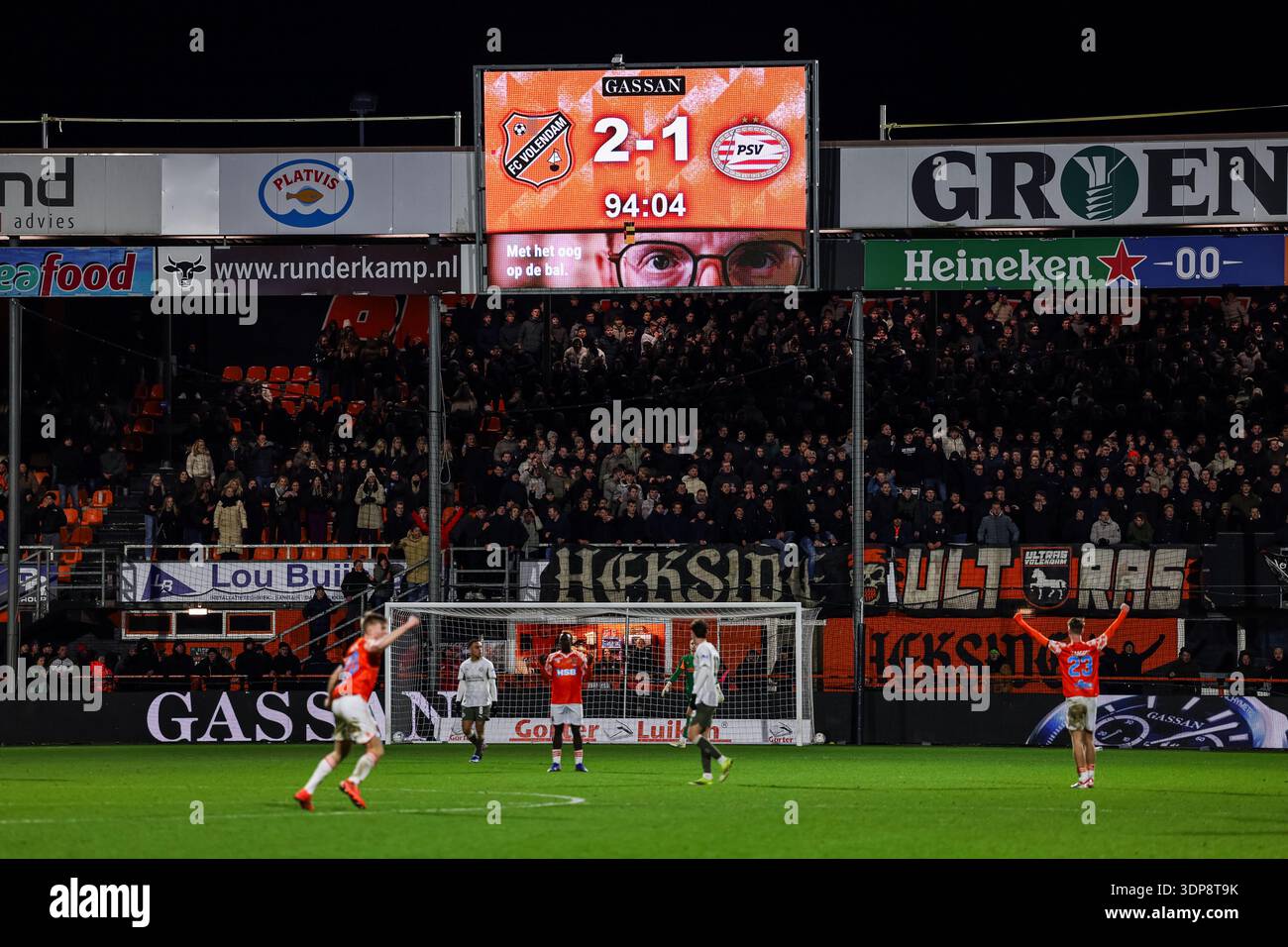
The match against FC Volendam was a tactical chess match. Both sides entered the final stages with a clear understanding of what was at stake. For Volendam, the outcome was particularly difficult, as the loss confirmed their relegation. Robert Mühren, a key figure for the Volendam side, maintained a composed demeanor when addressing the media following the result. Despite the gravity of the relegation, Mühren’s measured response reflected the professional pragmatism often seen in players who have spent years navigating the highs and lows of professional football.
The transition to the Eredivisie brings with it a new set of logistical and financial requirements. Clubs promoted from the Eerste Divisie must quickly align their infrastructure, youth development pipelines, and squad composition with the increased demands of the top tier. For Willem II, the preparation for the upcoming season begins immediately, with the front office already tasked with assessing the roster and identifying areas for strategic investment.
The Human Element in High-Stakes Football
The role of the goalkeeper has evolved significantly in modern football, requiring not only exceptional shot-stopping ability but also the mental fortitude to manage the psychological demands of high-pressure situations. Thomas Didillon-Hödl’s performance in the decisive shootout highlighted the importance of psychological resilience in professional sports. By focusing on his family, Didillon-Hödl was able to compartmentalize the immense pressure of the penalty spot, demonstrating a level of focus that resonated with fans and analysts alike.
This human element is central to the narrative of the sport. While analytics and tactical systems are essential components of modern scouting and team management, the ability of an individual to perform under extreme duress remains the defining characteristic of elite athletes. The scenes in Tilburg, where supporters gathered to welcome home their heroes, underscored the deep connection between the club’s success and the local community.
As the celebrations in Tilburg continue, the focus will soon shift toward the logistics of the new season. The Eredivisie represents a significant step up in competition, requiring a higher level of intensity and precision in every match. The upcoming schedule will test the resolve of the newly promoted side, but for now, the club and its supporters are savoring a milestone achievement that will be remembered as a defining moment in the current era of the team.
Looking Ahead: The Path Forward
With the promotion secured, the focus for Willem II shifts to the upcoming Eredivisie campaign. The club’s management is expected to conduct a thorough review of the past season’s performance to identify the strengths that can be carried forward and the weaknesses that must be addressed to ensure long-term sustainability in the top flight. This includes evaluating the current coaching setup and the long-term development of younger players within the organization.
For fans and stakeholders, the next official update will likely concern the club’s transfer activity and the announcement of pre-season fixtures. As the club prepares for the challenges of the top tier, the emphasis will remain on maintaining the culture of hard work and collective responsibility that propelled them to this success. The promotion is not merely an end goal but a foundation upon which the club intends to build its future in the Eredivisie.
The journey of Willem II back to the Eredivisie serves as a reminder of the unpredictable nature of football, where a single moment of clarity or a well-placed penalty can change the trajectory of an entire organization. We invite our readers to join the conversation and share their thoughts on the promotion race and what they expect from the upcoming season in the comments section below.
Worth a look