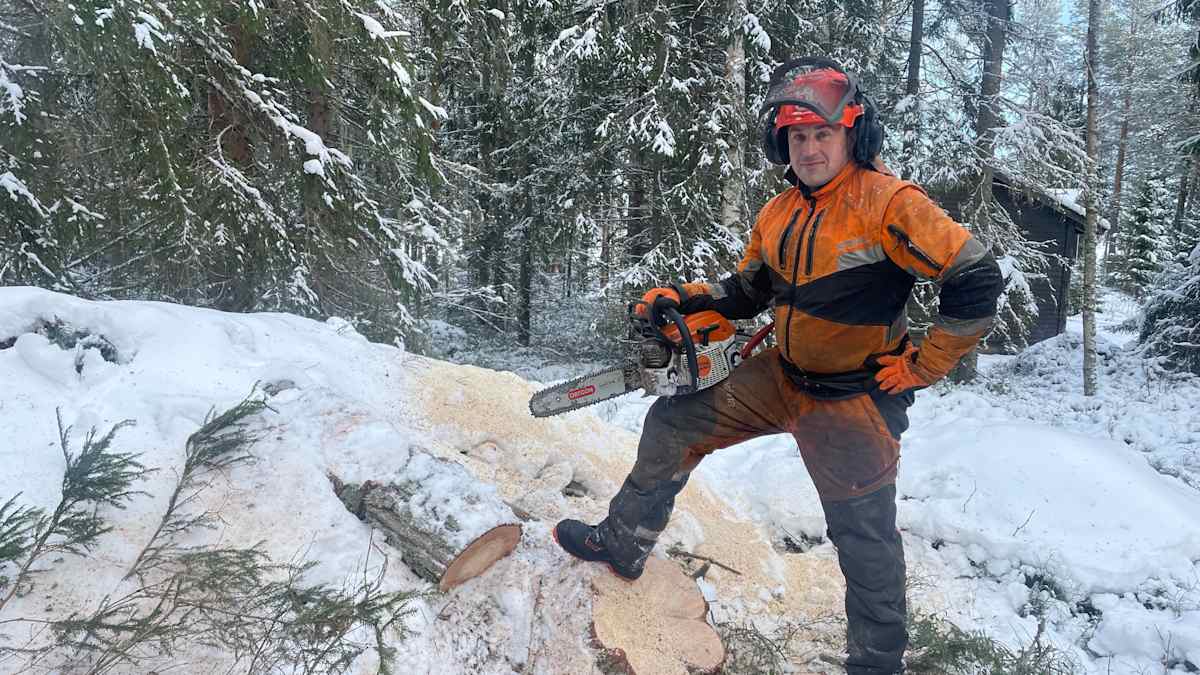
The Hidden Dangers of Fallen Trees: Safety Concerns Rise as Storm Damage Persists
The aftermath of severe weather events often leaves behind a picturesque, yet perilous, landscape of fallen trees. While the visual impact of storm damage is readily apparent, the potential hazards associated with “vindfällen” – Swedish for windfalls, or trees felled by the wind – are often underestimated. Experts warn that these fallen trees can pose a significant risk of serious injury or even death if not handled with extreme caution. The issue is particularly relevant as communities grapple with the increasing frequency and intensity of storms linked to climate change, creating more opportunities for these dangerous situations to arise.
Recent reports highlight the critical need for awareness and proper training when dealing with windblown trees. The dangers aren’t limited to the immediate felling of the tree; instability, hidden tensions within the wood, and unpredictable movement all contribute to the risk. As of February 24, 2026, concerns are growing about the safety of individuals attempting to clear storm damage themselves, without the necessary expertise and equipment. The potential for serious harm underscores the importance of professional assistance in managing these situations.
The risks associated with windfällen extend beyond immediate physical injury. Fallen trees can obstruct roadways, damage infrastructure, and create hazards for emergency responders. The process of removing these trees often requires specialized equipment and techniques, making it a task best left to trained professionals. Ignoring these dangers can lead to costly repairs, prolonged disruptions, and, most importantly, preventable accidents.
Understanding the Risks: Why Windfallen Trees Are So Dangerous
The inherent instability of windfallen trees is the primary source of danger. Unlike trees felled through controlled cutting, windblown trees often fall unevenly, leaving them precariously balanced. This creates internal stresses within the wood, which can release suddenly and unexpectedly, causing branches or the entire tree to shift or roll. These unpredictable movements can easily crush or injure anyone nearby.
the way a tree breaks during a storm can create hidden hazards. Branches can become suspended by tension, acting like springs that can snap back with considerable force. The trunk itself may be fractured in ways that are not immediately visible, compromising its structural integrity. These hidden weaknesses make it difficult to assess the true risk posed by a fallen tree without specialized knowledge and experience.
The type of wood and the tree’s overall health also play a role. Decayed or diseased trees are more likely to break apart unexpectedly, increasing the risk of flying debris. Even seemingly solid trees can harbor hidden weaknesses that are only revealed when they are subjected to stress.
Training and Safety Protocols: Preparing for the Challenge
Recognizing the inherent dangers, specialized training programs are available to equip individuals with the skills and knowledge necessary to safely handle windfällen. One such program, “Motorsåg – Nivå C” (Chainsaw – Level C), offered by Skogstekniska in Sweden, provides comprehensive instruction in felling techniques, risk assessment, and the safe operation of chainsaws. A YouTube video showcases exercises conducted during this Level C training, demonstrating the practical skills taught to participants. Contact information for Skogstekniska is available at 0271 – 122 22 or via email at [email protected].
These training programs emphasize the importance of a systematic approach to assessing and mitigating risks. Participants learn how to identify potential hazards, develop a safe work plan, and use appropriate personal protective equipment (PPE). Proper PPE, including helmets, eye protection, hearing protection, gloves, and chainsaw-resistant clothing, is essential for minimizing the risk of injury.
Beyond formal training, adherence to established safety protocols is crucial. These protocols typically include establishing a clear work zone, ensuring adequate lighting, and maintaining a safe distance from the tree being felled. Regular equipment inspections and maintenance are also essential for preventing accidents.
The Role of Professionals: When to Call for Help
While training can empower individuals to handle certain situations, it’s crucial to recognize the limits of one’s expertise. In many cases, the safest course of action is to call in professional tree removal services. These companies have the experience, equipment, and insurance necessary to handle even the most challenging windfällen.
Professionals can assess the situation, develop a safe removal plan, and execute the work efficiently and effectively. They are also equipped to handle any unforeseen complications that may arise during the process. Attempting to tackle a complex tree removal job without the proper resources can significantly increase the risk of injury or property damage.
professional tree removal services can often assist with the disposal of the felled trees, ensuring that they are handled in an environmentally responsible manner. This can involve chipping the wood for mulch, donating it to local organizations, or transporting it to a recycling facility.
Looking Ahead: Adapting to a Changing Climate
As climate change continues to drive more frequent and intense storms, the issue of windfällen is likely to become even more pressing. Communities must proactively prepare for these events by investing in training programs, developing emergency response plans, and promoting public awareness of the associated risks.
Increased investment in forest management practices, such as thinning and selective harvesting, can also help to reduce the risk of widespread wind damage. By creating more resilient forests, One can minimize the number of trees that are felled during storms, thereby reducing the potential for hazards.
addressing the challenges posed by windfällen requires a collaborative effort involving individuals, communities, and government agencies. By working together, we can mitigate the risks and ensure the safety of those who live and work in areas prone to storm damage.
Key Takeaways
- Windfallen trees pose significant safety risks due to their instability and unpredictable behavior.
- Specialized training programs, such as “Motorsåg – Nivå C,” can equip individuals with the skills to safely handle certain situations.
- Calling in professional tree removal services is often the safest course of action, especially for complex or hazardous removals.
- Proactive forest management practices and community preparedness are essential for mitigating the risks associated with climate change-related storms.
The ongoing need for vigilance and preparedness regarding windfällen will remain a critical concern as weather patterns continue to evolve. For the latest weather forecasts and radar information, resources like Ventusky can provide valuable insights. Stay informed, stay safe, and prioritize professional assistance when dealing with fallen trees.
What are your experiences with storm damage and tree removal? Share your thoughts and safety tips in the comments below. Don’t forget to share this article with your friends and family to help raise awareness about the dangers of windfällen.
Keep reading