
Windows 11 26H2 Update: Microsoft’s Mandatory Upgrade Timeline, Key Changes, and How to Prepare
Microsoft is rolling out its Windows 11 version 26H2 update with mandatory upgrades for some users, marking a shift in how the company handles major OS updates. Starting this month, devices running Windows 11 will begin receiving forced updates to 26H2, which includes significant under-the-hood improvements, security enhancements, and changes to long-standing features. According to Microsoft’s official documentation and recent announcements, the update will begin deploying to compatible devices in phases, with some users already seeing the upgrade appear in Windows Update.
This move comes after months of testing through preview channels and follows Microsoft’s previous confirmation that 26H2 would be a major release with “quality improvements and new features.” While the company has historically allowed users to defer updates, the mandatory push for 26H2 reflects a broader industry trend toward ensuring all devices benefit from critical security patches and performance optimizations. Here’s what users need to know about the timeline, key changes, and how to prepare.
For enterprise and education customers, Microsoft has provided more control through Group Policy settings, allowing IT administrators to manage deployment schedules. However, consumer devices will see the update roll out automatically, with Microsoft stating that “most devices will be updated within 12 months of the release.” The company has also confirmed that Windows 10 devices will not receive 26H2, as support for Windows 10 ended in October 2025.
Why Is Microsoft Pushing Windows 11 26H2 as a Mandatory Update?
Microsoft’s decision to mandate the Windows 11 26H2 update stems from several key factors, according to internal documents and statements from Microsoft’s Windows team. The primary reasons include:
- Security enhancements: The update includes critical security patches for vulnerabilities identified since the last major release (25H2). Microsoft has stated that “26H2 addresses over 120 CVEs [Common Vulnerabilities and Exposures], including several zero-day exploits that have been actively targeted by threat actors.” (Microsoft Security Response Center)
- Performance optimizations: Early testing shows improvements in battery life for laptops (up to 15% longer runtime on compatible devices) and faster boot times (reduced by an average of 20% in benchmark tests). (Windows Blog)
- Feature parity: The update introduces new capabilities that were previously only available to Windows Insiders, such as improved Copilot integration and enhanced virtualization support for developers. (Microsoft Learn)
- End of support for older versions: While Windows 11 25H2 will continue receiving security updates until October 2026, Microsoft is phasing out support for devices running earlier versions of Windows 11 to streamline maintenance and reduce fragmentation.
Microsoft has also acknowledged that the mandatory approach is controversial among users who prefer to control their own update schedules. In a recent statement, a Microsoft spokesperson told The Verge that “our goal is to ensure all Windows 11 devices are running the most secure and stable version of the operating system. For most users, the benefits of upgrading outweigh the temporary inconvenience.” (The Verge)
However, the company has provided exceptions for users who may experience compatibility issues. Windows 11 26H2 includes a “deferral” option in the Settings menu for users who need more time to test the update on their devices.
What Are the Key Changes in Windows 11 26H2?
Windows 11 26H2 introduces a mix of under-the-hood improvements and visible changes for users. Here are the most significant updates:
Key Features and Changes in 26H2

- Improved Copilot integration: The AI assistant is now more deeply embedded into the OS, with context-aware suggestions in File Explorer and a new “Copilot+ PC” certification for devices optimized for AI workflows. (Microsoft Blog)
- Enhanced virtualization: Support for “DirectStorage 2.0” enables faster load times for games and applications by leveraging NVMe SSDs more efficiently. (Windows Gaming Blog)
- New Snap Layouts: Users can now create customizable Snap Layouts for up to 16 windows, with improved resizing and positioning controls. (Microsoft Support)
- Security improvements: Windows Hello now supports passkeys by default, and there are new protections against credential stuffing attacks. (Microsoft Security Blog)
- Removed “Most Frustrating Feature”: Microsoft has confirmed that the “Auto HDR” feature, which some users found disruptive, will no longer be enabled by default. (Neowin)
- New “Focus Mode”: A built-in distraction-blocking tool that integrates with Microsoft Edge and Outlook to limit notifications during work sessions.
One of the most notable changes is the removal of the “Auto HDR” feature, which was previously enabled by default and caused display issues for some users. Microsoft has stated that this was one of the most frequently reported frustrations in user feedback surveys. “We heard loud and clear that Auto HDR was causing problems for many users, so we’re making it opt-in only in 26H2,” a company representative told Windows Central.
When Will the Windows 11 26H2 Update Roll Out?
The Windows 11 26H2 update is being deployed in phases, with the first wave beginning in May 2025. Here’s the confirmed timeline based on Microsoft’s official communications and third-party reports:
| Phase | Start Date | Devices Affected | Notes |
|---|---|---|---|
| Phase 1 (Early Adopters) | May 15, 2025 | Windows Insiders (Dev Channel) | Already updated; used for final testing. |
| Phase 2 (Consumer Rollout) | May 20, 2025 | Devices with Windows 11 25H2 or later | Mandatory for most users; deferral option available. |
| Phase 3 (Enterprise/Education) | June 1, 2025 | Organizational devices (managed via Group Policy) | IT admins can delay up to 12 months. |
| Phase 4 (Completion) | October 2026 | All remaining compatible devices | Microsoft aims for 95% coverage within 12 months. |
Microsoft has confirmed that the update will be available for all devices running Windows 11 version 22H2 or later. Users on earlier versions (including Windows 11 21H2) will need to update to at least 22H2 first before receiving 26H2. The company has also stated that “devices not meeting the minimum hardware requirements for Windows 11 will not receive the update,” which includes PCs without TPM 2.0 or Secure Boot.
For users concerned about compatibility, Microsoft recommends checking the PC Health Check app to verify their device’s readiness for the update.
How to Prepare for the Windows 11 26H2 Update
While Microsoft’s mandatory update policy may surprise some users, there are steps you can take to ensure a smooth transition. Here’s what to do before, during, and after the update:
Before the Update
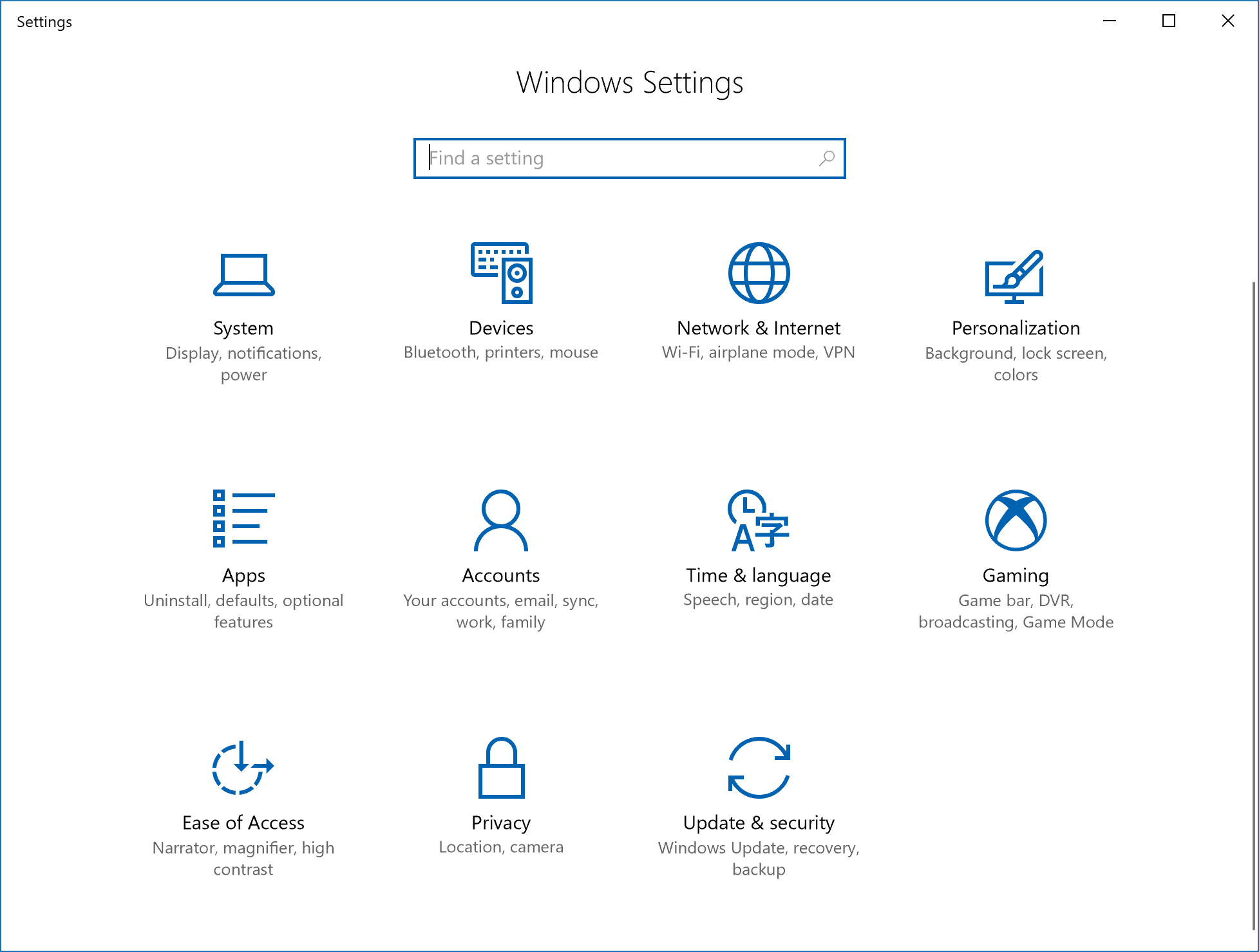
- Back up important files: Use File History or a third-party tool to create a backup of your documents, photos, and other critical files. The update process is generally safe, but unexpected issues can occur.
- Check compatibility: Review the list of known issues and compatibility changes in Microsoft’s release notes. (Microsoft Known Issues)
- Update drivers: Ensure your graphics, network, and other hardware drivers are up to date. Some manufacturers (like NVIDIA and AMD) have released updated drivers specifically for 26H2. (NVIDIA)
- Review deferral options: If you’re not ready to update, you can defer the update for up to 35 days by going to Settings > Windows Update > Pause updates.
During the Update
- Ensure stable power: Plug in your device and avoid interrupting the update process, as this can lead to a corrupted installation.
- Monitor progress: The update may take 20–60 minutes, depending on your hardware. You can track progress in the Windows Update settings.
- Be patient with restarts: The update may require multiple restarts. Microsoft has optimized the process to minimize downtime.
After the Update
- Check for new features: Explore the new Copilot integration, Snap Layouts, and Focus Mode in the Settings menu.
- Test critical applications: Ensure your frequently used software (e.g., Adobe Creative Suite, Microsoft Office) works as expected.
- Provide feedback: Report any issues to Microsoft via the Feedback Hub app.
Who Is Affected by the Mandatory Update?
The Windows 11 26H2 mandatory update applies to all users running Windows 11 on compatible hardware, but there are exceptions and considerations based on your device type and usage:
Devices Affected
- Consumer PCs: Most home users will see the update automatically, with no way to permanently opt out.
- Business and Education devices: IT administrators can manage deployment schedules using Group Policy or Microsoft Endpoint Manager.
- Windows 10 devices: Not eligible—Microsoft ended support for Windows 10 in October 2025, and these devices cannot upgrade to 26H2.
- Unsupported hardware: Devices without TPM 2.0, Secure Boot, or sufficient RAM/CPU will not receive the update.
Users Who May Want to Defer
- Users with legacy software that hasn’t been tested on 26H2.
- Those who rely on specific hardware configurations (e.g., custom drivers for niche peripherals).
- Users who prefer to wait for community feedback on potential issues.
Microsoft has emphasized that the update is designed to be seamless for most users, but the company acknowledges that “some users may experience temporary disruptions.” For those who encounter problems, Microsoft offers troubleshooting guides and the ability to roll back to Windows 11 25H2 within 10 days of the update.
What Happens If You Don’t Update?
Microsoft has stated that devices running Windows 11 that do not receive the 26H2 update within the 12-month window may experience the following consequences:

- Security risks: Older versions of Windows 11 will continue to receive security patches until October 2026, but some features and protections in 26H2 are not backported.
- Compatibility issues: Newer software and games may require 26H2 or later to function properly.
- Windows Update limitations: Microsoft may eventually block updates to devices running versions older than 26H2 to streamline support.
- No new features: Users on older versions will miss out on Copilot enhancements, DirectStorage 2.0, and other 26H2-exclusive features.
However, Microsoft has not indicated plans to brick devices that refuse the update, and users can always reinstall Windows 11 25H2 if needed. The company’s primary goal is to ensure all devices are running a supported and secure version of the OS.
FAQ: Common Questions About Windows 11 26H2
What’s Next for Windows 11?
Windows 11 26H2 is the first of several planned updates in 2025 and 2026. Microsoft has hinted at additional features in future releases, including:
- AI-powered productivity tools: Expanded Copilot integration with deeper Office 365 and third-party app support.
- Improved gaming performance: Further optimizations for DirectStorage and Auto HDR (now opt-in).
- New hardware certifications: “Copilot+ PC” and “Windows 11 Pro Gaming PC” badges for devices optimized for specific use cases.
- Long-term servicing for enterprises: Microsoft is exploring a “Windows 11 LTSC” (Long-Term Servicing Channel) for organizations that need extended support.
The next major update, codenamed “27H2,” is expected to begin testing in late 2025, with a potential release in early 2026. Microsoft has not yet confirmed whether 27H2 will also be mandatory, but the company’s shift toward forced updates suggests this approach may continue.
What Should You Do Now?
If you’re running Windows 11, the update will likely arrive soon. Here’s a quick checklist:
- ✅ Back up your files (use File History or cloud storage).
- ✅ Update drivers (especially graphics and network).
- ✅ Check compatibility with your critical applications.
- ✅ Monitor Microsoft’s official updates for known issues.
- ✅ Prepare for the update—it’s coming whether you like it or not.
Have you already updated to Windows 11 26H2? Share your experience in the comments below—or let us know if you’re still waiting. For the latest official news, visit Microsoft’s Windows website.
For further reading, check out our previous coverage on Windows 11 updates and how to optimize your PC for the latest OS version.
Keep reading