The Enduring Appeal of Digital Sandboxes: how Wing Commander: Privateer Shaped My gaming Life
For many, video games are about overcoming obstacles and experiencing a compelling narrative. however, my passion lies elsewhere – in the freedom to forge yoru own path within a richly detailed virtual world. Every game I truly adore offers that sense of boundless possibility, a space for self-directed adventure.
This preference wasn’t born overnight. It crystallized in the early 1990s with Wing commander: Privateer, a game that fundamentally altered my expectations of what interactive entertainment could be.
Privateer demonstrated to me that I gravitate towards games that empower you to live out a fictional life of your own creation, far more than those that rigidly guide you through a pre-defined story and a series of challenges. while it features a storyline and missions, they’re almost secondary. The real magic lies in exploration, ship customization, and economic mastery.
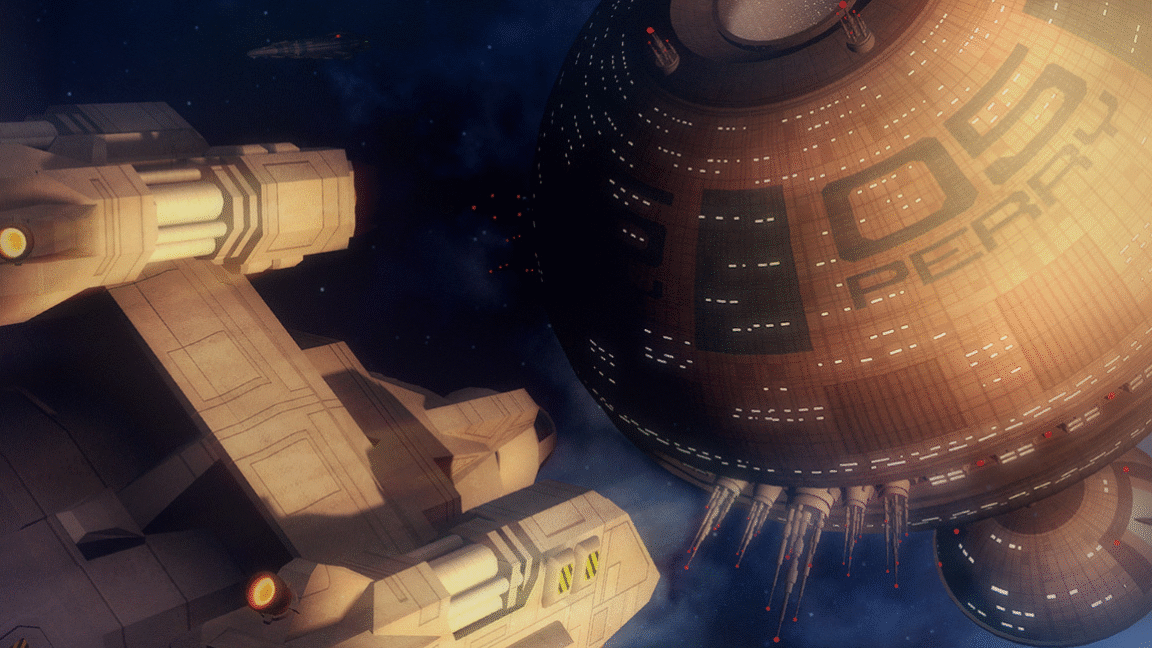
Imagine charting a course through uncharted systems, marveling at the beautifully rendered planetary settlements, and gradually upgrading your spacecraft. This is where Privateer truly shines. It’s about the journey, not the destination.
The narrative that resonates most deeply isn’t the one programmed into the game, but the one you construct in your mind. To this day,the games I cherish most offer at least a glimpse of that immersive freedom.
A Lasting Influence on Open-World Design
To say Privateer was influential would be an understatement. However, it’s crucial to acknowledge the pioneering work of 1984’s Elite, which first popularized this formula. Privateer skillfully blended that core concept with the established Wing Commander universe and refined flight mechanics,all within a more meticulously crafted setting.
That setting is paramount. While I appreciate the original Elite, it now feels like a foundational step, a proof of concept. Privateer built upon that foundation, offering a more compelling and immersive experience.
Here’s what sets Privateer apart and continues to resonate with players:
* Emergent Gameplay: The game doesn’t dictate your actions; it provides the tools and environment for you to create your own adventures.
* Ship Customization: Upgrading your vessel isn’t just about stats; it’s about shaping your identity as a pilot and trader.
* Dynamic Economy: The pseudo-simulated economy adds a layer of depth, forcing you to make strategic decisions about trading and resource management.
* Atmospheric World-Building: The stunning CG artwork and detailed planetary descriptions ignite your inventiveness and draw you into the universe.
ultimately, Privateer isn’t just a game; it’s a digital sandbox. It’s a place where you can be a daring smuggler, a ruthless bounty hunter, or a benevolent trader. The choice is yours.
this emphasis on player agency and emergent storytelling has profoundly influenced countless games as. it’s a legacy that continues to shape the landscape of interactive entertainment, reminding us that the most powerful gaming experiences are frequently enough the ones we create for ourselves.