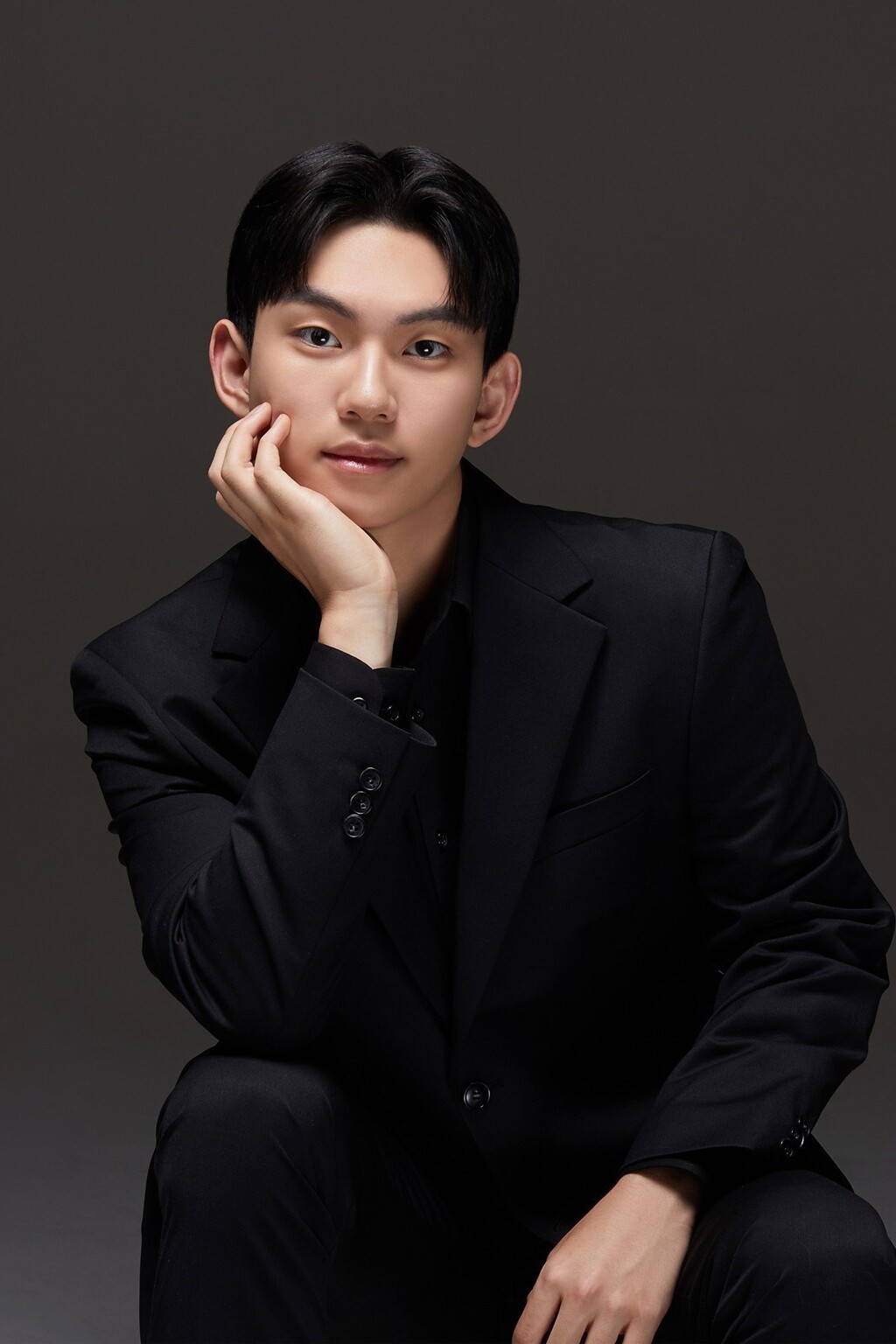
The world of classical music has a new name to watch. In a stunning display of technical precision and emotional depth, 18-year-old South Korean pianist Son Se-hyuk has claimed the top prize at the 77th Prague Spring International Music Competition. The victory, announced on May 14, marks a significant milestone for the young virtuoso, positioning him as one of the most promising talents of his generation on the global stage.
Competing in the piano category, Son emerged victorious in a field of elite musicians, navigating a rigorous selection process to secure the first-place finish. For an artist of his age, winning a competition of this prestige in the heart of Europe is more than just a trophy; it is a validation of years of disciplined study and a gateway to the world’s most renowned concert halls. As someone who has covered the intersection of art and celebrity for over 15 years, I have seen many young prodigies emerge, but the poise and maturity displayed by Son in Prague suggest a musician who is ready for the complexities of a professional international career.
The victory is particularly poignant given the historical weight of the event. The Prague Spring International Music Competition is not merely a contest but a cultural institution that has shaped the trajectories of countless maestros since its inception. By securing the gold, Son Se-hyuk joins an exclusive lineage of winners, continuing a strong tradition of South Korean excellence in the piano category.
A Masterclass in Competition: The Road to the Gold
The path to the podium at the 77th Prague Spring International Music Competition was grueling. The piano division began with a highly competitive pool, from which 42 pianists advanced to the main rounds. These musicians were subjected to intense scrutiny by a panel of international judges, evaluating not only their technical accuracy but their interpretive brilliance and ability to communicate the essence of the compositions.
The final round saw a tight race between three exceptional talents. Son Se-hyuk faced off against two formidable competitors from China: Wang Zichuan and Chen Xuehong. In a decision that highlighted Son’s superior command of the keyboard and artistic nuance, the judges awarded him first place. Wang Zichuan and Chen Xuehong followed closely, taking second and third place, respectively.
Beyond the prestige, the win comes with a significant financial award. Son was awarded a first-prize sum of 250,000 Czech koruna (approximately 17.9 million KRW), a prize that reflects the competition’s status as one of the premier events in the classical music calendar Prague Spring International Music Competition Official Site.
The Ascent of Son Se-hyuk: A History of Excellence
While the victory in Prague may seem like a sudden ascent to the global public, Son Se-hyuk’s trajectory has been one of consistent, high-level achievement. His journey through the competitive world of classical music began years ago, with a series of wins that signaled his potential long before he reached the age of 18.
In 2019, a 13-year-old Son first drew significant attention by taking second place at the Lee Hwa Kyung Hyang Music Competition. This early success provided the momentum for his formal entry into the professional sphere. By 2021, he made his official debut through the Kumho Young Artist Concert, a platform renowned for launching the careers of South Korea’s most gifted musicians.

The year 2021 proved to be a pivotal one for Son. In addition to his debut, he achieved a crowning glory by winning the Grand Prize at the Henle Piano Competition. The Henle competition is specifically designed to identify and support young pianists who demonstrate a deep commitment to the original text of the score, emphasizing fidelity and intellectual rigor over mere flashiness. Winning the Grand Prize at Henle established Son as a “musician’s pianist”—someone capable of blending academic precision with heartfelt performance.
Understanding the Legacy of the Prague Spring
To understand the magnitude of Son Se-hyuk’s achievement, one must understand the institution he has just conquered. Founded in 1947, the Prague Spring International Music Competition is deeply woven into the cultural fabric of the Czech Republic and the broader European classical tradition. The competition is unique in its structure, rotating the instruments it features each year to ensure a diverse representation of musical mastery.

This year, the competition focused on the flute and piano categories. The piano division is particularly coveted due to the instrument’s versatility and the sheer volume of global talent. The victory also reinforces a recurring theme of South Korean dominance in contemporary piano competitions. In 2021, the last time the piano category was featured, South Korean pianist Lee Dong-ha also claimed the top prize, suggesting a systemic excellence in Korean musical education and a profound cultural dedication to the arts.
For a global audience, the Prague Spring represents more than just a series of performances; it is a celebration of the enduring power of classical music to transcend borders. For Son, winning in a city as musically rich as Prague—the city of Dvořák and Smetana—adds a layer of historical legitimacy to his career.
Key Milestones in Son Se-hyuk’s Career
| Year | Achievement / Event | Result/Significance |
|---|---|---|
| 2019 | Lee Hwa Kyung Hyang Music Competition | 2nd Place |
| 2021 | Kumho Young Artist Concert | Professional Debut |
| 2021 | Henle Piano Competition | Grand Prize |
| 2026 | 77th Prague Spring International Music Competition | 1st Place (Winner) |
What Which means for the Future of Classical Music
The emergence of talents like Son Se-hyuk signals a shift in the center of gravity for classical music. While Europe remains the ancestral home of the genre, the “Asian Wave” in classical music—led by South Korea, Japan, and China—is no longer a trend but a dominant force. This shift is characterized by a rigorous approach to technical mastery combined with a growing emphasis on individual artistic expression.

For Son, the immediate future likely involves a surge in invitations to perform with major orchestras and a possible increase in recording opportunities. The “Prague Spring” label acts as a seal of quality that opens doors to the most prestigious venues in the world. However, the challenge for any young winner is the transition from “competition winner” to “established artist.” The world will be watching to see how Son evolves his style as he moves beyond the structured requirements of competitions and into the interpretive freedom of solo recitals.
From a journalistic perspective, Son’s win is a reminder that the classical music world is in a state of vibrant renewal. The ability of an 18-year-old to command the respect of a European jury in a city as traditional as Prague proves that the language of music remains universal, regardless of age or origin.
As Son Se-hyuk prepares for the next chapter of his career, the music community awaits his first major post-victory performances. The next confirmed checkpoint for the artist will be the announcement of his upcoming concert schedule and potential collaborations resulting from his win in the Czech Republic.
Do you think the rise of young prodigies from East Asia is changing the way classical music is interpreted globally? We would love to hear your thoughts in the comments below. Please share this story with other music enthusiasts.