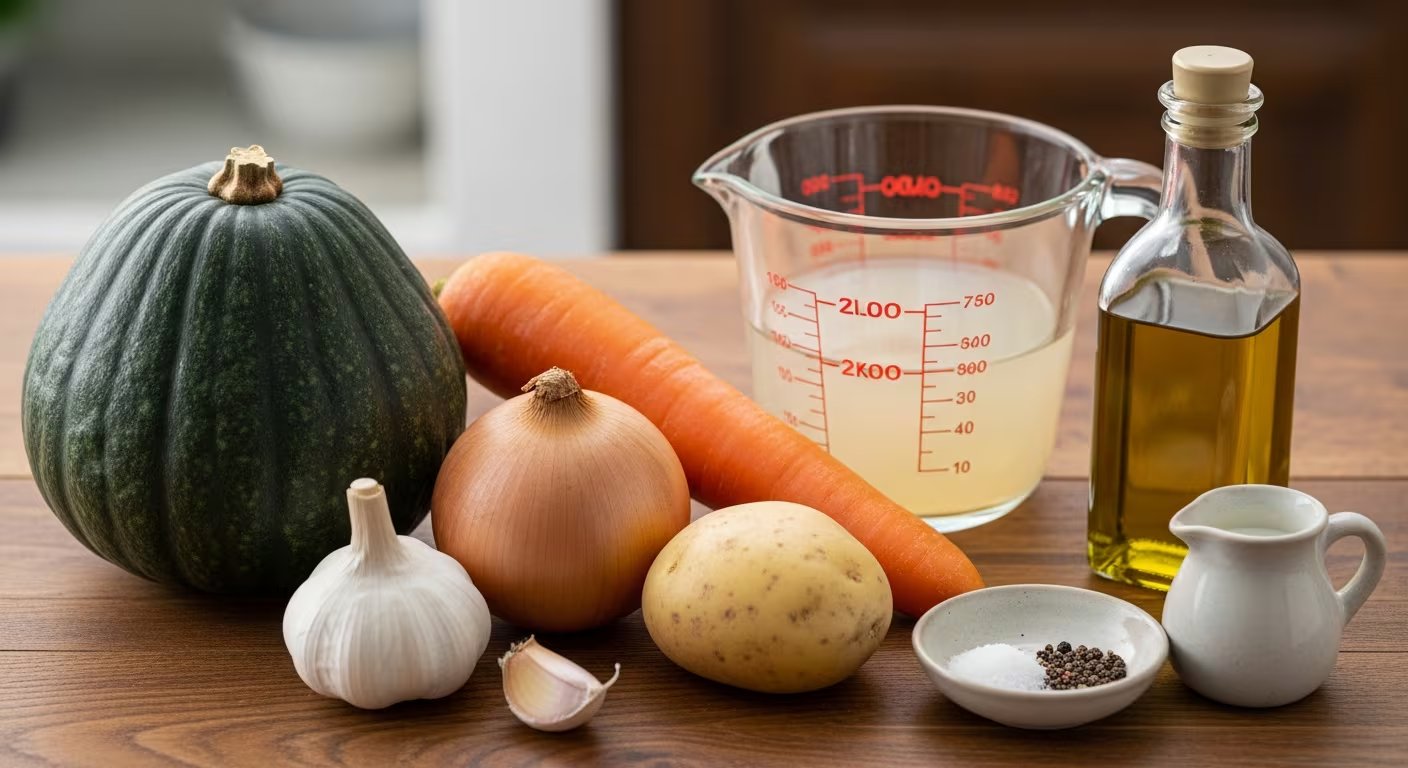
Seniors must prioritize nutrient density, hydration, and Vitamin D during winter months to offset reduced sunlight exposure and metabolic shifts. While cold temperatures can increase energy expenditure through thermogenesis, health experts advise focusing on high-quality proteins and micronutrients rather than excessive caloric intake to prevent weight gain and muscle loss.
As temperatures drop, the physiological needs of older adults undergo subtle but significant changes. Maintaining nutritional stability during the winter is critical for preventing common age-related complications, including weakened immune responses, bone density loss, and sarcopenia, which is the age-related loss of muscle mass. According to the National Institute on Aging (NIA), proper nutrition is a cornerstone of maintaining independence and functional health in later life.
How cold weather affects senior metabolism and energy needs
The human body utilizes energy to maintain a stable internal temperature, a process known as thermogenesis. When external temperatures fall, the body may increase its metabolic rate to generate heat. For some individuals, this can lead to an increased demand for calories; however, for older adults, this metabolic shift requires careful management to avoid unhealthy weight gain.
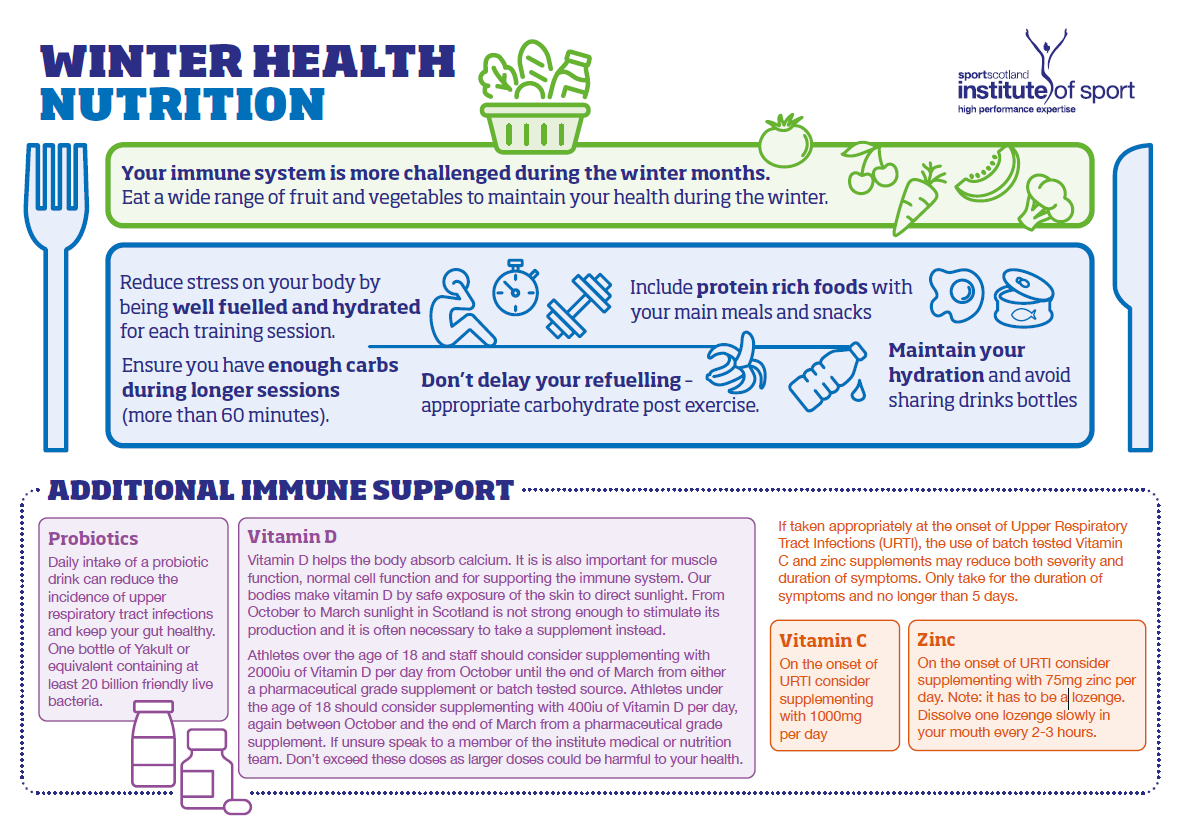
The risk in winter is often not a lack of energy, but a shift in the quality of caloric intake. Many seniors gravitate toward “comfort foods”—typically those high in refined sugars and saturated fats—to combat the cold. While these foods provide immediate energy, they often lack the essential vitamins and minerals required for long-term health. The Mayo Clinic notes that maintaining a healthy weight is vital for seniors to reduce pressure on joints and minimize the risk of chronic conditions like type 2 diabetes.
Rather than increasing total calorie counts through heavy carbohydrates, geriatric nutritionists suggest focusing on “thermogenic” foods that provide sustained energy. This includes complex carbohydrates and healthy fats that support metabolic health without causing significant blood sugar spikes.
Mitigating Vitamin D deficiency during low-sunlight months
One of the most significant nutritional challenges during winter is the decline in Vitamin D levels. The body synthesizes Vitamin D through skin exposure to ultraviolet (UV) rays. In many regions, winter sunlight is insufficiently strong to trigger this process, leading to a widespread deficiency among the elderly population.
Vitamin D is essential for calcium absorption and bone health. A deficiency increases the risk of osteoporosis and fractures, which can be devastating for seniors with reduced mobility. Furthermore, recent research highlighted by the National Institutes of Health (NIH) suggests Vitamin D plays a critical role in supporting the immune system, helping the body defend against seasonal respiratory infections.
To compensate for reduced sunlight, medical professionals often recommend the following dietary inclusions:
- Fatty fish: Salmon, mackerel, and sardines are natural sources of Vitamin D.
- Fortified foods: Many cereals, milk, and orange juices are supplemented with Vitamin D.
- Egg yolks: A small but consistent source of the vitamin.
Because it is difficult to reach optimal levels through diet alone, many physicians recommend blood testing to determine if supplementation is necessary.
Protein intake and the prevention of sarcopenia
Maintaining muscle mass is a primary concern for geriatric health, particularly during months when physical activity may decrease due to cold weather or seasonal affective changes. Sarcopenia, the progressive loss of skeletal muscle mass and strength, can lead to increased frailty and a higher risk of falls.
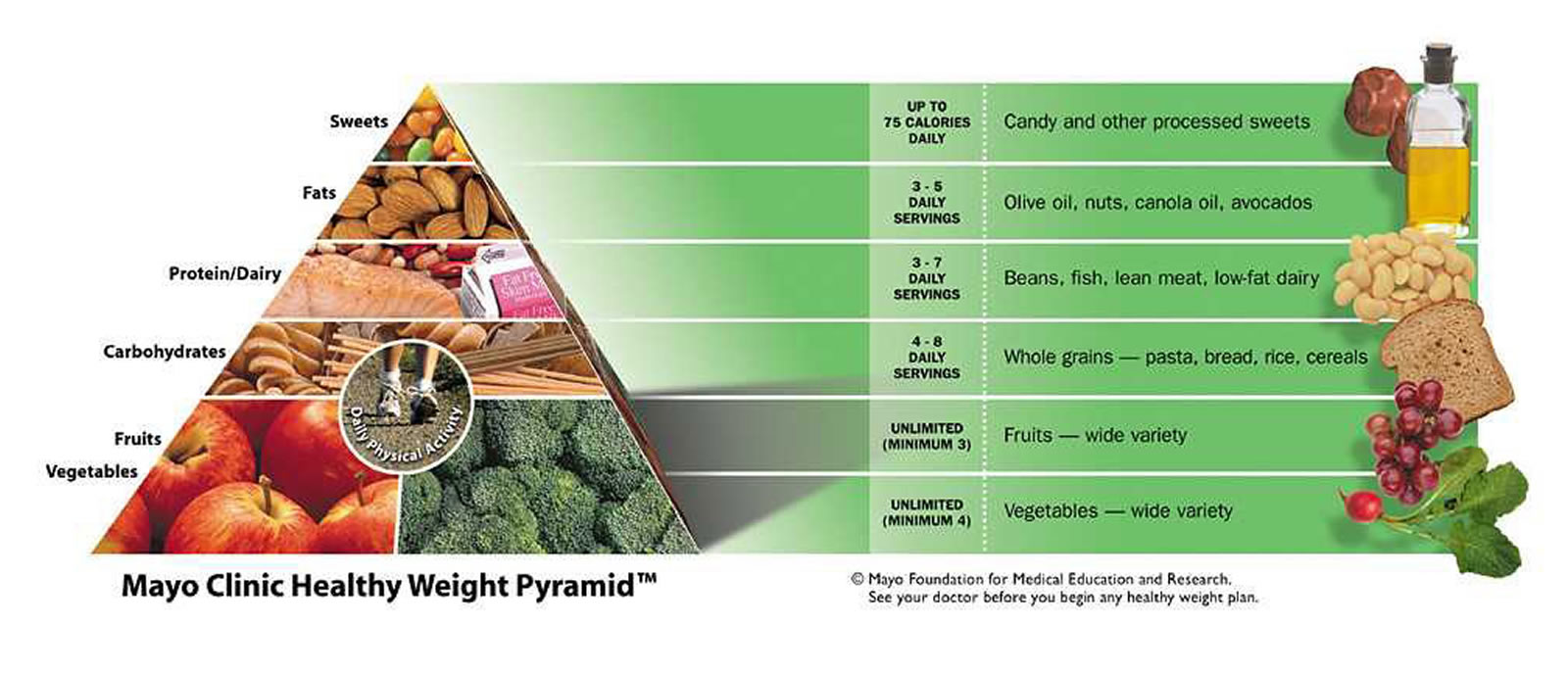
To combat this, protein intake must be a central component of the winter diet. While younger adults may require less protein per kilogram of body weight, older adults often require higher concentrations to stimulate muscle protein synthesis. The NIA suggests that spreading protein intake throughout the day—rather than consuming it all in one large meal—can help the body utilize amino acids more effectively for muscle repair and maintenance.
Reliable protein sources for seniors include lean meats, poultry, beans, lentils, and Greek yogurt. For those with dental issues or difficulty chewing, protein-rich soups or smoothies can provide the necessary nutrients without the physical strain of eating dense solids.
The hidden risk of winter dehydration
Dehydration is a frequent but often overlooked issue in elderly populations during the winter. As temperatures drop, the sensation of thirst often diminishes, making it harder for seniors to recognize when they are becoming dehydrated. Additionally, cold air is often drier, which can lead to moisture loss through breathing.

Dehydration in older adults can manifest as confusion, dizziness, urinary tract infections, and increased constipation. Because the hypothalamus—the part of the brain that regulates thirst—becomes less sensitive with age, seniors cannot rely on feeling thirsty to guide their fluid intake.
Health experts recommend structured hydration strategies, such as:
- Setting regular intervals for drinking water or herbal teas.
- Incorporating water-rich foods like soups, stews, and cooked vegetables.
- Monitoring urine color, which should ideally remain pale yellow.
Practical dietary strategies for seasonal wellness
Navigating the winter diet requires a balance between satisfying the body’s need for warmth and maintaining strict nutritional standards. The focus should remain on seasonal and nutrient-dense food groups.
Fiber and Digestive Health: Winter diets can sometimes become heavy in processed foods, which may lead to constipation. Increasing fiber through legumes, whole grains, and even frozen vegetables can help maintain regular digestive function. Frozen vegetables are often as nutritious as fresh ones because they are flash-frozen at peak ripeness, making them a cost-effective and accessible option during winter months.
Micronutrient Density: While fresh summer produce may be less available, root vegetables like sweet potatoes, carrots, and beets provide essential vitamins and minerals that support metabolic health and immune function.
Comparison of Nutritional Priorities: Summer vs. Winter
| Nutrient/Factor | Summer Focus | Winter Focus |
|---|---|---|
| Hydration | Replenishing fluids lost to sweat | Counteracting diminished thirst reflex |
| Vitamin D | Natural synthesis via sunlight | Dietary intake and supplementation |
| Caloric Quality | Light, hydrating foods | Nutrient-dense, warming foods |
| Muscle Support | Active lifestyle maintenance | Protein-heavy diet to prevent sarcopenia |
For more specific guidance, seniors should consult with a registered dietitian or their primary care physician to create a meal plan tailored to their specific medical history and activity levels.
Frequently Asked Questions
Should I eat more food in the winter to stay warm?
While the body may use more energy to maintain temperature, focus on increasing the quality of your food rather than just the quantity. Prioritize protein and complex carbohydrates over sugary or highly processed foods to avoid unnecessary weight gain.
Can I get enough Vitamin D from food alone?
It is difficult for most people to get sufficient Vitamin D through diet alone, especially in winter. While fatty fish and fortified foods help, many seniors may require a supplement as advised by a medical professional.
Why am I not feeling thirsty even when it is cold?
The thirst mechanism naturally weakens with age. It is important to drink fluids on a schedule rather than waiting until you feel thirsty to ensure adequate hydration.
The next step for individuals concerned about their winter nutrition is to schedule a routine wellness check with a healthcare provider to review blood levels for Vitamin D and assess overall nutritional status.
If you found this guide helpful, please share it with your family or caregivers to help promote healthy aging. We welcome your comments and questions below.
Keep reading