
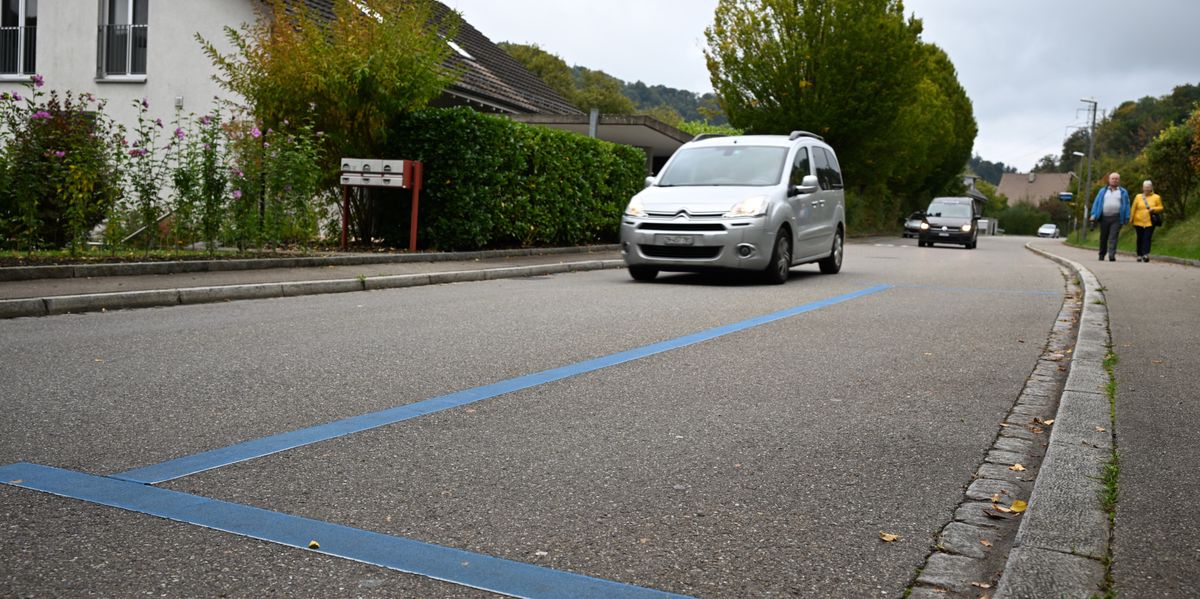
Winterthur’s city council is considering easing parking restrictions in its blue zones to allow shift workers to park there, marking a significant shift in the city’s traffic management policy. The proposal, which has sparked debate among local politicians, would grant exemptions to employees with irregular working hours who currently face fines for parking in restricted areas. According to verified municipal records, the city’s current blue zone regulations—implemented to reduce congestion and prioritize public transport—have long been a point of contention for shift workers, who often struggle to find alternative parking solutions.
The discussion gained momentum after a recent city council session where the left-wing faction Ratslinke publicly opposed the exemption, arguing that any relaxation of parking rules could undermine the city’s environmental and traffic goals. Meanwhile, the ruling coalition has signaled openness to compromise, suggesting potential adjustments such as time-limited permits or designated parking areas for shift workers outside blue zones.
Winterthur’s blue zones, introduced in 2018 as part of a broader sustainability initiative, currently cover approximately 12% of the city’s parking spaces. Violations result in fines ranging from CHF 40 to CHF 200, depending on the duration of the infraction. The proposed changes would require approval from the city’s traffic commission and could face legal challenges from environmental groups, who have historically supported stricter parking regulations.
Why it matters: The debate reflects broader tensions in Swiss cities between economic needs—particularly for industries relying on shift work—and environmental policies aimed at reducing car dependency. Similar discussions are underway in Zurich and Basel, where local governments are also exploring exemptions for specific professional groups under pressure from advocacy organizations.
Who Supports the Proposed Exemptions—and Who Opposes Them?
The push for exemptions has gained traction among unions representing healthcare workers, factory employees, and public transport staff, who argue that the current rules disproportionately affect shift workers. The Swiss Trade Union Federation (SGB) has publicly backed the proposal, citing surveys showing that 68% of shift workers in Winterthur report difficulty finding compliant parking within a 15-minute walk of their workplace.
Opposition comes primarily from the Green Party faction in Winterthur’s city council, which has framed the exemptions as a step backward for the city’s climate targets. “Blue zones exist to reduce traffic and encourage sustainable mobility,” said Green Party councilor Markus Weber in a statement. “Creating exceptions for specific groups undermines the principle of equal treatment and sends the wrong signal to residents.”
Neutral observers, including the Winterthur Traffic Department, have noted that any changes would need to include safeguards to prevent abuse. “If we introduce exemptions, we must ensure they are strictly tied to verified employment status and working hours,” said department spokesperson Anna Meier. “Otherwise, the system could become unmanageable.”
What Are Blue Zones—and How Would the Changes Work?
Winterthur’s blue zones are designated areas where parking is restricted to residents with permits, electric vehicle owners, and those with disabilities. The rules are enforced by automated cameras and municipal inspectors, with fines issued for violations. According to the city’s official traffic regulations, the zones were designed to reduce through-traffic and encourage the use of public transport, cycling, and walking.

If approved, the proposed exemptions would likely take one of three forms:
- Time-limited permits: Shift workers could receive permits valid only during their scheduled working hours, similar to systems already in place in some Swiss cantons.
- Designated overflow parking: The city could designate additional parking areas near major employment hubs, such as hospitals and industrial zones, where shift workers could park without fines.
- Conditional exemptions: Exemptions could be tied to proof of employment in shift-based sectors, with periodic audits to prevent misuse.
The city council’s traffic commission is expected to vote on the proposal by October 15, 2024, with a final decision anticipated by the end of the year. If approved, the changes would likely take effect in early 2025, following a public consultation period.
How Would the Changes Affect Residents and Commuters?
Supporters of the exemptions argue that the current system unfairly penalizes workers who have no alternative but to drive during off-peak hours. “Many shift workers start at 3 a.m. or finish at 11 p.m.,” said Thomas Müller, president of the local healthcare workers’ union. “They can’t rely on public transport at those times, and the current rules force them to drive illegally or pay excessive fines.”
Critics, however, warn that any relaxation of parking rules could lead to increased congestion and reduced incentives for sustainable transport. A 2023 study by the École Polytechnique Fédérale de Lausanne (EPFL) found that cities with lenient parking enforcement saw a 15% increase in car usage within two years of policy changes. Winterthur’s traffic planners are reportedly monitoring similar data to assess potential impacts.
For residents, the changes could mean:
- More available parking in blue zones if exemptions are granted, potentially increasing competition for spaces.
- Higher fines for non-compliant drivers if the city introduces stricter enforcement to compensate for exemptions.
- New parking options near employment hubs, which could ease pressure on residential areas.
What Happens Next in Winterthur’s Parking Policy Debate?
The next critical steps in the process include:
- Traffic Commission Vote (October 15, 2024): The commission will review the proposal and recommend whether to proceed with exemptions, modify the plan, or reject it entirely.
- Public Consultation (November–December 2024): Residents and stakeholders will have the opportunity to submit feedback, with hearings scheduled in early December.
- Final City Council Decision (January 2025): The full council will vote on the revised proposal, with implementation expected to begin in February 2025 if approved.
- Legal Review (Ongoing): Environmental groups may challenge the decision in court, potentially delaying implementation.
Residents concerned about the proposal can submit comments to the Winterthur Traffic Department’s public consultation portal before the November 30 deadline. The city has also pledged to hold informational sessions in affected neighborhoods to address specific concerns.
Key Takeaways
- The proposed exemptions for shift workers in Winterthur’s blue zones aim to balance economic needs with traffic management goals.
- Supporters argue the current rules unfairly penalize workers with irregular schedules, while opponents warn of increased congestion.
- Any changes would require approval from the traffic commission, public consultation, and potential legal review.
- Residents can participate in the process through public hearings and the city’s consultation portal.
- The outcome could set a precedent for similar discussions in other Swiss cities.
What do you think? Should Winterthur ease parking restrictions for shift workers, or do you support maintaining strict blue zone rules? Share your perspective in the comments below or on our social media channels. For official updates, follow the Winterthur Traffic Department’s announcements.