
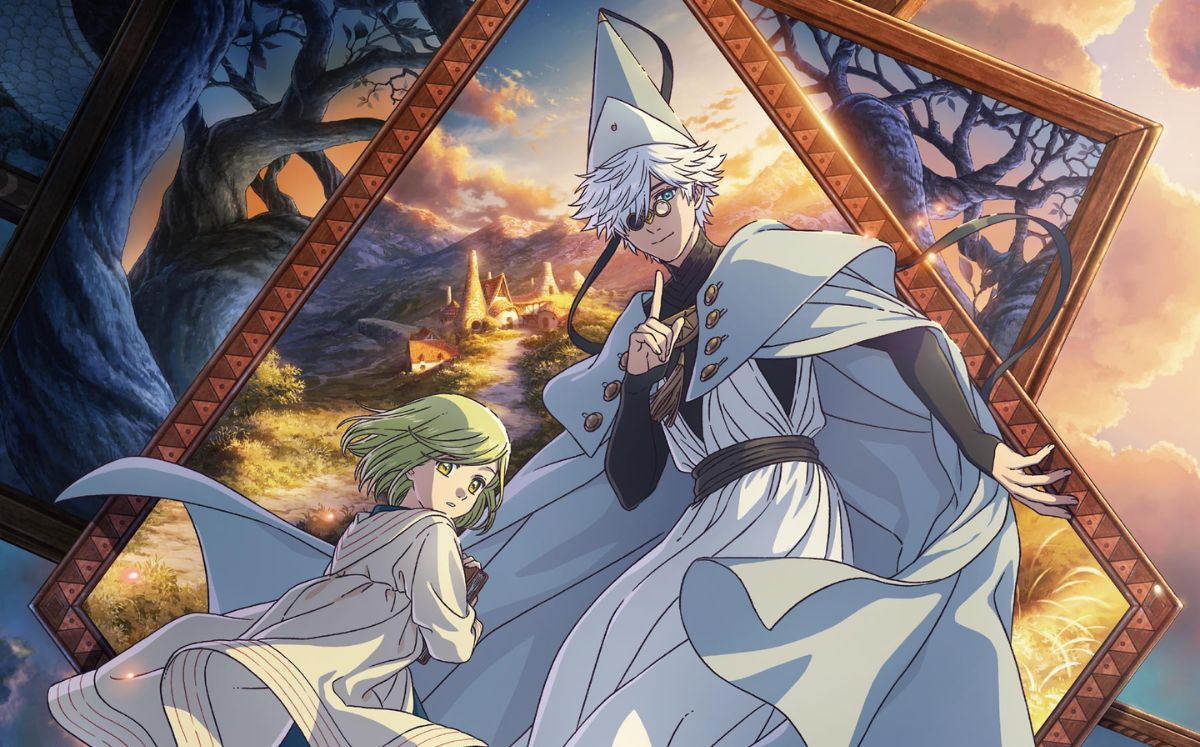
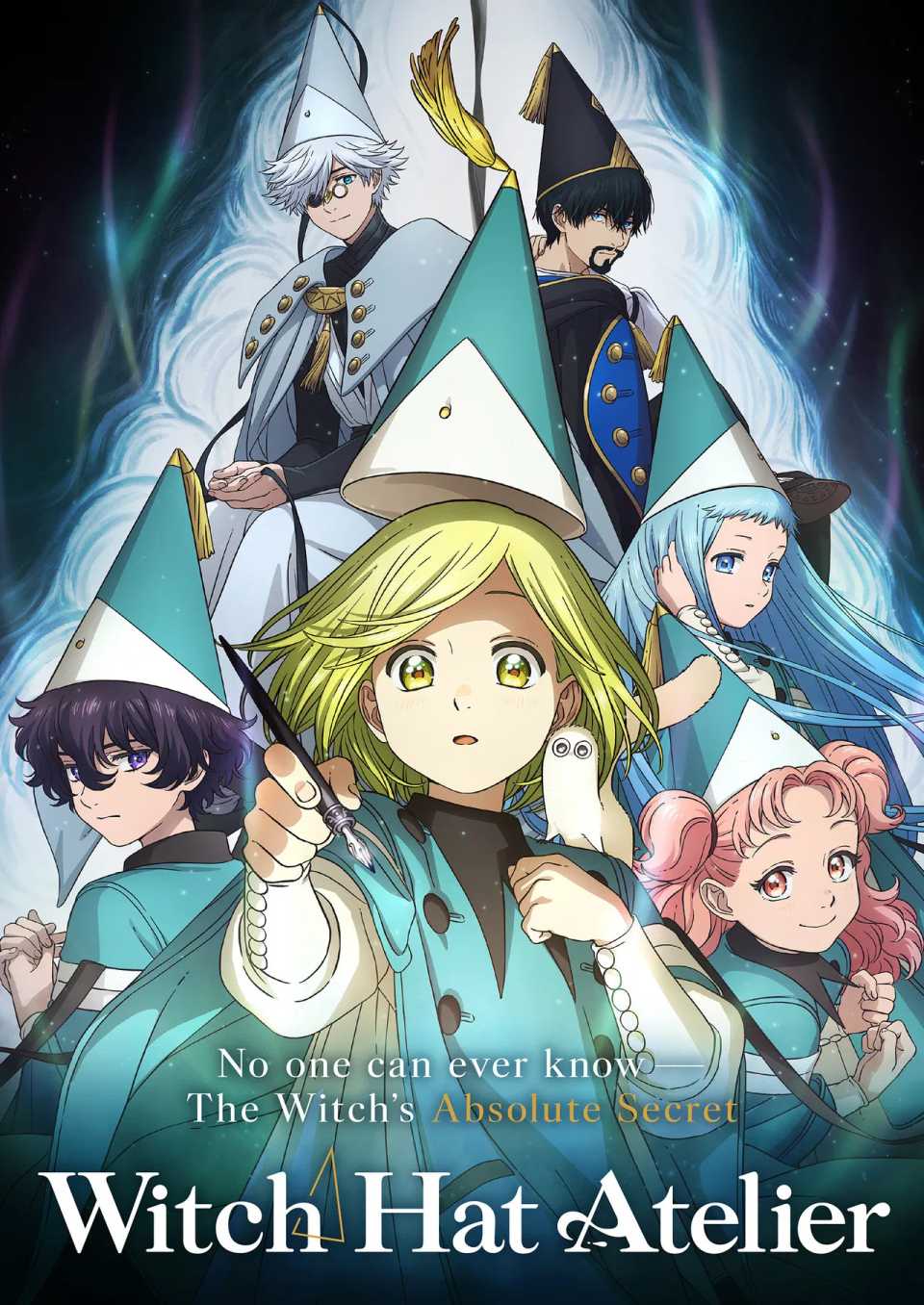
Fans seeking anime just as visually stunning as Witch Hat Atelier should look toward series like Violet Evergarden, Demon Slayer: Kimetsu no Yaiba, Frieren: Beyond Journey’s End, Made in Abyss, and Mushishi. These productions are recognized by critics and viewers for their high-fidelity animation, intricate background art, and unique stylistic approaches that elevate the storytelling experience through sheer visual detail.
The announcement of the Witch Hat Atelier anime adaptation by BUG FILMS has generated significant interest within the animation community. The project aims to translate Kamome Shirahama’s highly detailed fantasy manga into a moving medium, a task that requires exceptional technical skill to maintain the original’s delicate, line-heavy aesthetic. As fans await more specific production updates, the conversation has shifted toward other titles that have set the industry standard for visual excellence.
Why is the Witch Hat Atelier anime highly anticipated?
The anticipation surrounding Witch Hat Atelier stems largely from the reputation of its source material. Kamome Shirahama’s manga is noted for its intricate, almost classical art style, which often resembles fine-line illustrations found in traditional fantasy literature. Unlike many modern manga that prioritize speed and simplicity, Shirahama’s work relies on complex patterns, detailed character attire, and expansive, atmospheric environments.
BUG FILMS, the studio tasked with the adaptation, faces the challenge of replicating this specific level of craftsmanship. To successfully adapt Shirahama’s world, the studio must balance fluid character movement with the static beauty of the manga’s detailed linework. This requires a sophisticated approach to “compositing”—the process of layering different visual elements like characters, backgrounds, and special effects to create a cohesive final image. The goal is to ensure that the magic sequences and environmental shifts feel organic rather than artificial.
Which anime offer comparable levels of visual detail?
While Witch Hat Atelier promises a unique aesthetic, several existing titles have already established themselves as benchmarks for visual storytelling. These series utilize different techniques to achieve their high-quality results.
Violet Evergarden (Kyoto Animation)
Produced by Kyoto Animation, Violet Evergarden is frequently cited as a peak of modern animation quality. The series is characterized by its meticulous attention to lighting, texture, and color. Every frame feels intentional, from the way sunlight reflects off a glass bottle to the subtle movement of lace on a character’s sleeve. The studio uses advanced digital compositing to create a sense of depth and warmth that is rare in the medium. For viewers who appreciate the delicate, emotional weight of art, this series provides a masterclass in using visuals to convey internal character states.
Demon Slayer: Kimetsu no Yaiba (Ufotable)
If the appeal of Witch Hat Atelier lies in its fluid magic, Demon Slayer offers a different but equally impressive spectacle. Studio Ufotable is renowned for its ability to blend traditional 2D character animation with high-end 3D environmental effects. The “breathing styles” used by the protagonists are animated with a distinct, ukiyo-e-inspired aesthetic that makes combat sequences feel like moving woodblock prints. This integration of digital particle effects and dynamic camera movements creates a sense of kinetic energy that few other studios can replicate.
.full.4546593.jpg "Demon Slayer: Kimetsu no Yaiba (Ufotable)")
Frieren: Beyond Journey’s End (Madhouse)
For those drawn to the high-fantasy world-building of Shirahama’s work, Frieren: Beyond Journey’s End is a vital recommendation. Produced by Madhouse, the series emphasizes atmospheric storytelling through its backgrounds. The landscapes are often painterly, evoking a sense of vastness and the slow passage of time. The animation avoids unnecessary flash, opting instead for a refined, steady pace that allows the viewer to absorb the environmental details. This “quiet” visual storytelling is essential for a series centered on the concept of immortality and memory.
Made in Abyss (Kinema Citrus)
Made in Abyss offers a unique visual contrast that may appeal to fans of detailed world-building. Kinema Citrus employs a character design style that is soft and almost childlike, which stands in stark opposition to the incredibly detailed, often harsh, and overwhelming environments of the Abyss itself. The verticality of the world is rendered with immense care, using complex layering to show the sheer depth and biological diversity of the setting. This contrast creates a sense of awe and dread, making the environment feel like a living, breathing character.
Mushishi (Artland)
For a more organic and ethereal experience, Mushishi remains a standout. The series focuses on “mushishi”—supernatural life forms that inhabit the natural world. The animation style is more minimalist than the others on this list, but it excels in its use of ambient detail and natural textures. The way the series depicts light filtering through trees or the subtle movement of water creates an immersive, meditative atmosphere. It demonstrates that visual stunningness does not always require high frame counts or explosive effects, but can instead be found in the mastery of mood and texture.
How do animation studios create such intricate worlds?
Achieving the level of detail seen in these top-tier productions requires a highly coordinated workflow between several specialized departments. Understanding these elements explains why certain shows feel “more real” or more “artistic” than others.
- Layout and Background Art: Before animation begins, artists create detailed layouts that serve as the blueprint for every scene. Background artists then create the “sets,” which are often hand-painted or digitally rendered with extreme detail to provide a sense of place.
- Key Animation vs. In-Betweening: Key animators draw the primary, most important frames of a movement (the “extremes”). In-betweeners then fill in the frames between those keys to ensure the motion is smooth. High-budget productions often use more “in-betweens” to achieve a higher perceived frame rate.
- Digital Compositing: This is where the magic happens. Compositors take the character layers, the background layers, and the special effects (like fire, water, or light) and blend them together. They apply color grading, lens flares, and depth-of-field effects to make the 2D art feel like it exists in a 3D space.
- Color Scripting: Studios use a color script to plan the emotional tone of a scene. By carefully controlling the palette—using cool blues for melancholy or warm ambers for nostalgia—they use color as a narrative tool.
Where can viewers track upcoming high-fidelity anime releases?
As the industry continues to push technical boundaries, new high-fidelity titles are announced regularly. To stay updated on productions like Witch Hat Atelier or other visually ambitious projects, viewers should monitor official studio websites and major streaming platforms. Services like Crunchyroll and Netflix often provide official announcements regarding release windows and production trailers.
For those interested in the technical side of the industry, following industry publications and official press releases from studios like Kyoto Animation or Ufotable can provide insights into the upcoming animation trends and the technologies being used to create them.
Official updates regarding the production timeline and premiere date for the Witch Hat Atelier anime from BUG FILMS are expected in upcoming industry announcements.
What is your favorite visually striking anime? Let us know in the comments below and share this article with your fellow animation enthusiasts!