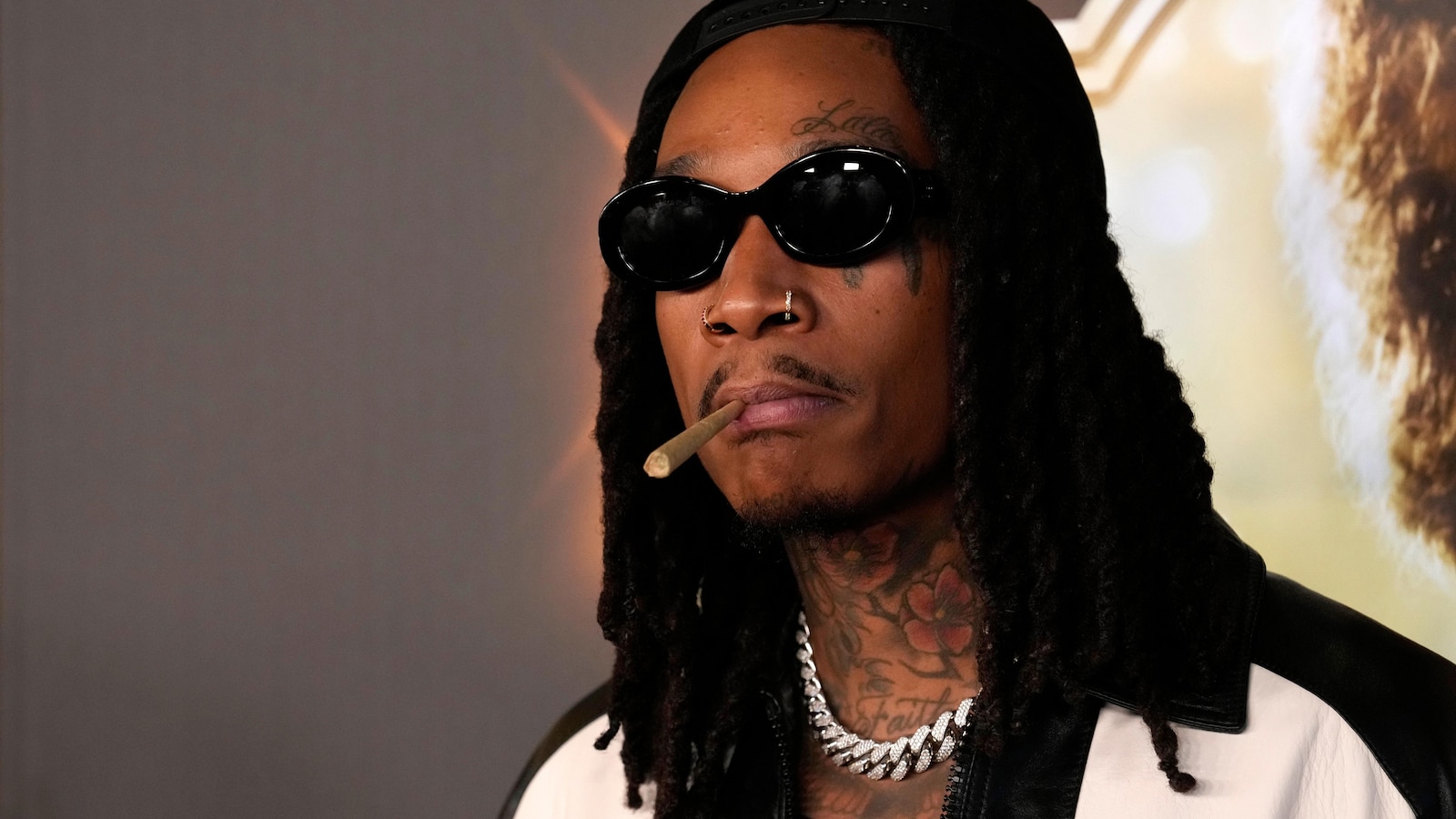
Wiz Khalifa’s Appeal Rejected in Romanian Drug Possession Case
Bucharest, Romania – A Romanian court has rejected the appeal of American rapper Wiz Khalifa, whose real name is Cameron Jibril Thomaz, against a nine-month jail sentence stemming from a drug possession conviction. The Constanta Court of Appeal upheld the December ruling, which originated from an incident during the Beach, Please! Festival in Constanta County in July 2024. This decision marks a significant development in a case that has drawn international attention, highlighting Romania’s strict drug laws and raising questions about the legal ramifications for international artists performing within its borders.
The legal battle began after Romanian police stopped Khalifa following allegations that he had been smoking cannabis on stage. Authorities subsequently found over 18 grams of cannabis in his possession, leading to the initial conviction for “possession of dangerous drugs, without right, for personal consumption.” While a lower court initially imposed a fine of 3,600 lei (approximately $830 USD at the time of the initial ruling), prosecutors appealed, seeking a more severe penalty. The subsequent nine-month sentence prompted Khalifa’s legal team to file an appeal, which has now been denied by the appeals court. The court deemed Khalifa’s appeal to annul the sentence inadmissible and dismissed a request to suspend it, meaning the original sentence stands.
Initial Incident and Legal Proceedings
The incident at the Beach, Please! Festival brought immediate scrutiny to Romania’s drug laws, which are notably stricter than those in many other European countries. Possession of cannabis for personal use is criminalized and can result in a prison sentence ranging from three months to two years, or a fine. This contrasts with a growing trend toward decriminalization or legalization of cannabis in other parts of the world. According to Romanian law, the quantity of cannabis found in Khalifa’s possession – exceeding 18 grams – contributed to the severity of the charges and the subsequent sentencing.
The initial April ruling by a lower court, which levied a fine, was seen by some as a lenient outcome. However, prosecutors argued that the fine was insufficient given the circumstances and the quantity of the substance involved. Their appeal led to the December conviction and the nine-month jail sentence, which Khalifa then challenged. The appeals court’s decision on Thursday effectively closes off avenues for appeal within the Romanian legal system, though further legal challenges may be possible through international channels.
Current Status and Potential Extradition
As of Thursday, February 26, 2026, Wiz Khalifa remains subject to the nine-month sentence. However, the practical implications of enforcing the sentence are complex. Khalifa is a U.S. Citizen and does not reside in Romania, raising questions about whether Romanian authorities will pursue an extradition request. Extradition treaties between the United States and Romania exist, but the process can be lengthy and is not guaranteed. The Romanian Ministry of Justice would need to formally request extradition, and the U.S. Department of Justice would then review the request and determine whether to comply.
The Associated Press reported that Khalifa’s representatives were contacted for comment on the latest legal developments but have not yet responded. This lack of immediate comment from Khalifa’s team adds to the uncertainty surrounding the situation. It remains unclear whether Khalifa intends to cooperate with any potential extradition efforts or pursue further legal challenges through diplomatic channels. The complexities of international law and extradition procedures indicate that the final outcome of this case is still uncertain.
Romania’s Drug Laws and International Artists
This case has sparked debate about the application of Romanian drug laws to international artists performing in the country. Romania’s strict stance on cannabis possession stands in contrast to the increasingly relaxed attitudes toward the drug in many Western nations, including the United States, where cannabis is legal for recreational or medicinal use in numerous states. This discrepancy creates a potential legal minefield for artists who may be accustomed to different regulations in their home countries.
The incident has prompted discussions within the Romanian government about the need for clearer guidelines for international performers regarding drug laws. Some legal experts have suggested that Romania could benefit from clarifying its regulations to avoid similar situations in the future. The country’s tourism industry, which relies heavily on international events and festivals, could be negatively impacted if artists perceive Romania as having overly harsh or unpredictable drug laws.
Impact on Wiz Khalifa’s Career
While the immediate impact of the conviction on Wiz Khalifa’s career remains to be seen, the situation undoubtedly presents logistical and legal challenges. The nine-month sentence could potentially restrict his ability to travel internationally, depending on the outcome of any extradition proceedings. It could also affect his ability to secure visas for certain countries.
Khalifa has maintained a successful music career for over a decade, releasing numerous hit albums and singles. He is known for his laid-back style and his advocacy for cannabis legalization in the United States. The irony of being convicted under strict drug laws in Romania is not lost on his fans and observers of the music industry. The situation could potentially fuel his advocacy efforts and raise awareness about the disparities in drug laws around the world.
Key Takeaways
- Wiz Khalifa’s appeal against his nine-month Romanian jail sentence for drug possession has been rejected.
- The case highlights the strict drug laws in Romania, which differ significantly from those in many other countries.
- The possibility of extradition remains uncertain, as Khalifa is a U.S. Citizen and does not reside in Romania.
- The incident has sparked debate about the application of Romanian drug laws to international artists.
As of now, the next step in this legal saga remains unclear. Romanian authorities have not yet indicated whether they will pursue an extradition request. The situation will likely continue to develop in the coming weeks and months, and World Today Journal will continue to provide updates as they become available. Readers are encouraged to share their thoughts and perspectives on this case in the comments section below.
Related reading