
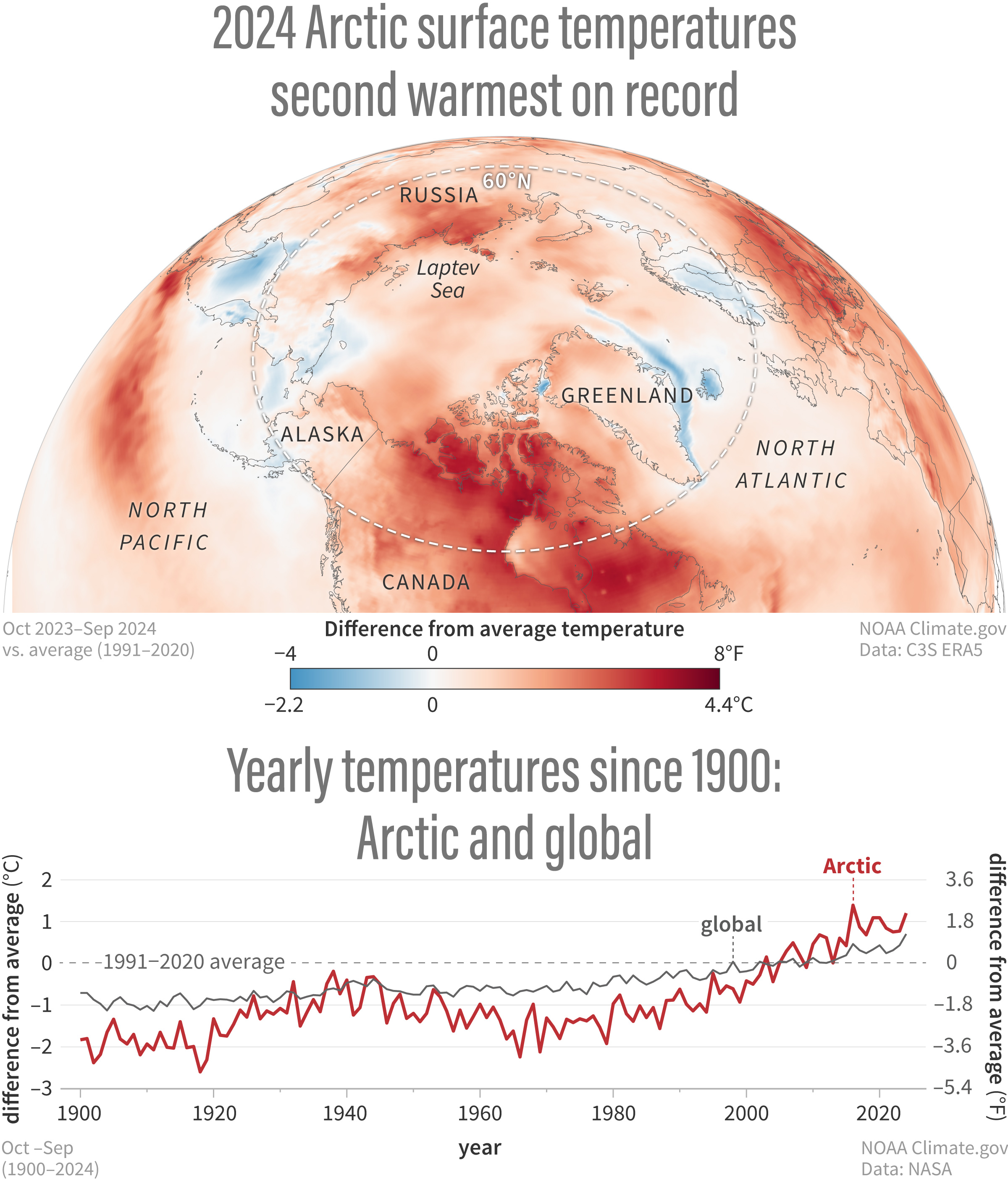
As the global economy navigates a period of significant volatility, a different kind of pressure is mounting—one that promises to reshape market landscapes, infrastructure investment, and supply chain resilience for decades to come. Recent data from the World Meteorological Organization (WMO) underscores an unsettling reality: the next five years are poised to be the warmest on record, a trend that carries profound implications for global financial stability and environmental policy.
For those tracking international markets, the headline is clear: climate volatility is no longer a peripheral concern but a central pillar of economic forecasting. The World Meteorological Organization reported that there is a high probability that at least one of the next five years will be the warmest ever recorded, surpassing the previous benchmarks set during the El Niño-influenced years. This shift is not merely a meteorological curiosity. it is a signal for investors, insurers, and policymakers to recalibrate their risk assessments.
The Arctic, in particular, is experiencing the brunt of these changes. Data indicates that the region is warming at a rate significantly faster than the global average, with projections suggesting an increase in temperatures that could exceed 1.5 degrees Celsius compared to pre-industrial levels in the near term. This acceleration of Arctic warming serves as a primary indicator of broader climate instability, affecting everything from shipping lanes to resource extraction costs.
The Economic Implications of Warming Trends
The financial sector has increasingly begun to price in climate-related risks, a process known as the integration of Environmental, Social, and Governance (ESG) criteria. When global temperatures rise, the immediate impact is often felt in the agricultural and energy sectors. Volatile weather patterns disrupt crop yields, leading to inflationary pressures on food commodities, while energy markets face the dual challenge of increased cooling demand and potential infrastructure damage from extreme weather events.

According to the International Monetary Fund, the economic costs associated with climate change are compounding. Beyond the immediate physical damage to assets, there is the long-term risk of “stranded assets”—investments in fossil fuel infrastructure that may become economically unviable as transition policies accelerate. For institutional investors, the WMO’s warning serves as a catalyst to accelerate the shift toward sustainable portfolios.
the insurance industry is arguably the most exposed sector. As the frequency of “once-in-a-century” weather events increases, the actuarial models used to set premiums are being tested. We are witnessing a contraction in coverage in high-risk zones, which creates a ripple effect throughout the real estate and mortgage markets. When property becomes uninsurable, the underlying collateral for billions of dollars in loans is effectively compromised.
Arctic Transformation and Global Trade Routes
One of the most complex geopolitical and economic facets of this warming trend is the transformation of the Arctic. As sea ice thins and retreats, previously impassable maritime routes are becoming viable for commercial shipping. While this offers the potential for shorter transit times between Europe and Asia, it also introduces significant regulatory, environmental, and security challenges.

The Arctic Council remains the primary intergovernmental forum for addressing these changes, though the geopolitical landscape in the region has become increasingly strained. Investors must weigh the potential gains of shorter shipping routes against the high costs of operating in an environment that remains unpredictable and lacks established search-and-rescue or oil-spill response infrastructure.
the extraction of rare earth minerals and other resources in the Arctic circle has become a focal point for national security strategies. As global powers compete for dominance in the Arctic, the economic environment is shifting from one of cooperation to one of strategic competition. Businesses operating in this space must navigate a complex web of international law and local environmental mandates that are currently being rewritten in real-time.
Key Takeaways for Global Stakeholders
- Risk Management: Organizations must incorporate climate modeling into their long-term financial planning, specifically focusing on physical risks to assets and supply chain vulnerabilities.
- Regulatory Compliance: Expect more stringent reporting requirements regarding climate impact and carbon footprints as governments strive to meet the goals outlined in the Paris Agreement.
- Capital Allocation: The transition to a low-carbon economy is creating new investment opportunities in renewable energy, grid modernization, and climate-resilient technology.
- Insurance Adjustments: Property owners and businesses should prepare for rising premiums and potential coverage gaps in regions identified as high-risk by meteorological data.
Looking Ahead: The Next Policy Checkpoint
The international community will continue to monitor these developments through the ongoing reporting cycle of the Intergovernmental Panel on Climate Change (IPCC) and the annual Conference of the Parties (COP) meetings. The next major assessment of global progress toward climate targets will be critical for businesses looking to understand the trajectory of carbon pricing and environmental regulation.

As we look toward the next five years, the data is clear: the climate is not just a scientific concern—it is the definitive economic variable of our time. Staying informed through official channels, such as the WMO’s periodic updates, is essential for anyone tasked with navigating the complexities of the modern global market.
How is your organization adjusting its long-term strategy to account for climate volatility? Share your thoughts in the comments below or join the discussion on our professional network pages.