the WNBA at a Crossroads: Growth, Player demands, and the Future of the League
The WNBA is experiencing a golden age.Fueled by record-breaking attendance, soaring viewership, and the arrival of electrifying new talent, the league generated an estimated $300 million in revenue during the 2025 season – a new high in its history. But this success brings a critical question to the forefront: will the players who are driving this growth share in the prosperity?
This isn’t just a labor negotiation; it’s a defining moment for women’s professional sports. It’s a test of whether increased visibility and investment will translate into genuine equity and long-term security for the athletes who are captivating audiences nationwide.
The Surge in Popularity: A Perfect Storm
Several factors are converging to propel the WNBA forward. The league boasts established superstars like A’ja Wilson, alongside captivating newcomers like Angel Reese and Caitlin Clark. These players aren’t just skilled athletes; they’re cultural icons attracting a new generation of fans.
Here’s a breakdown of the key drivers:
* Star Power: Reese and Clark have brought unprecedented attention, drawing in younger and more diverse audiences.
* Expanding Talent Pool: Highly anticipated prospects like JuJu Watkins and Audi Crooks are poised to join the league,further boosting its marketability.
* Strategic Expansion: The addition of the Golden State valkyries and the upcoming toronto Tempo (the league’s first Canadian franchise in 2026) demonstrates confidence in the WNBA’s future. Further expansion to cities like Philadelphia, Detroit, and Cleveland is expected by the end of the decade.
* Increased Visibility: Stronger media partnerships and a growing social media presence are amplifying the league’s reach.
The Player Outlook: A Fair Share of the Revenue
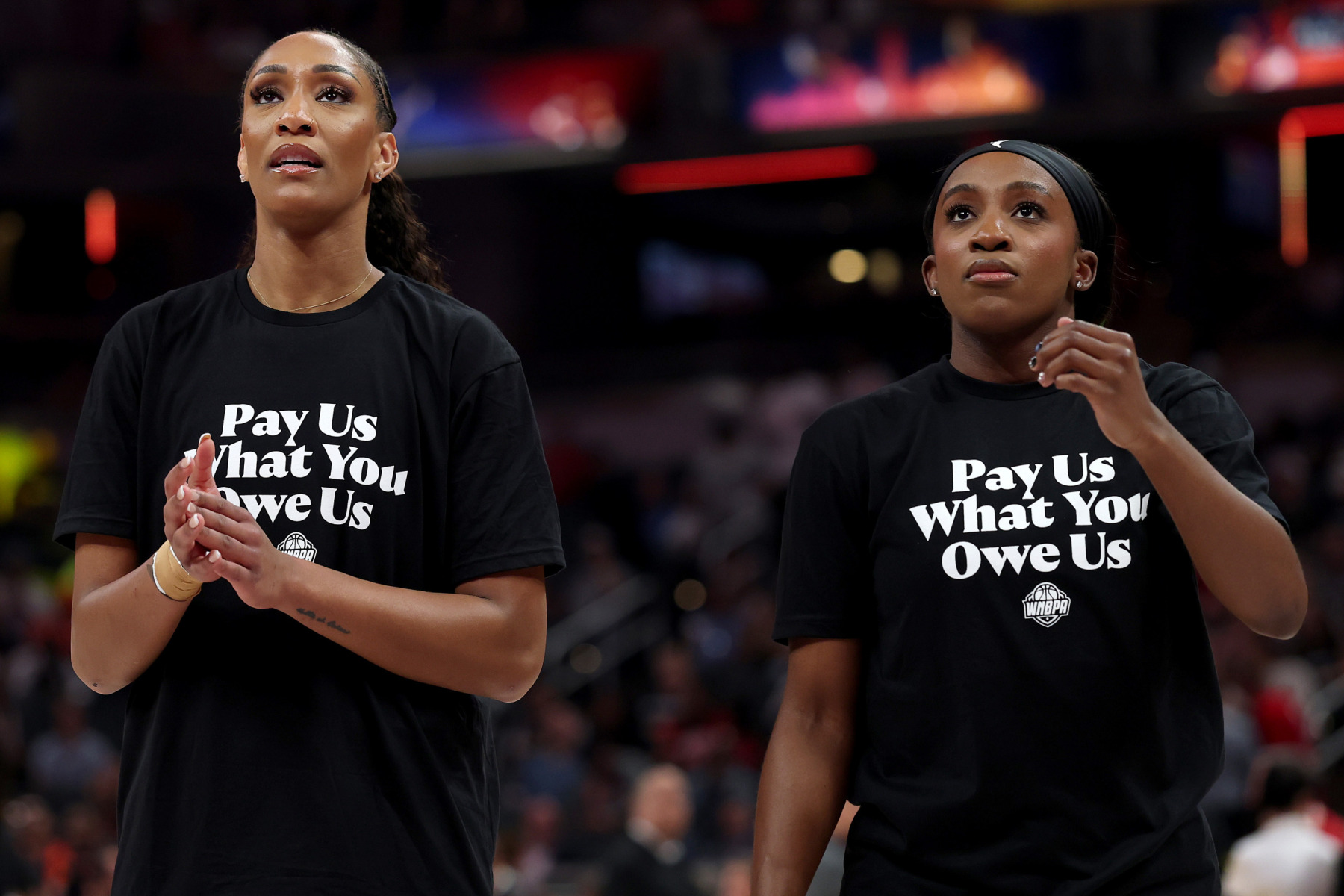
Currently, WNBA players receive roughly 9% of league revenue under the existing Collective Bargaining Agreement (CBA). As the league’s financial success skyrockets, this percentage is facing increasing scrutiny. Players are understandably seeking a more equitable share.
Key demands include:
* Increased Maximum Salary: Players are aiming for a $1 million maximum salary.
* Preservation of Benefits: Maintaining crucial benefits like team-provided housing stipends is a priority.
Negotiations are ongoing, but meaningful gaps remain between the players’ requests and the owners’ offers.
The Owners’ Dilemma: A Delicate Balance
League ownership faces a complex situation. A prolonged dispute,potentially leading to a lockout,carries significant risks. Unlike players in some other professional leagues,many WNBA athletes supplement their income by playing overseas. This gives them a unique leverage point.
A lockout could:
* Stall Momentum: Interrupt the league’s historic growth trajectory.
* Damage Reputation: Erode the goodwill built with fans and sponsors.
* Drive Players Overseas: Potentially diminish the quality of play and fan engagement.
Owners must recognize that investing in players isn’t just about fairness; it’s a smart business decision.
Beyond the Numbers: A Statement About Value
Paying WNBA players a more substantial share of the revenue isn’t simply a financial adjustment. It’s a powerful statement about how women’s basketball is valued as:
* A Thriving Business: Demonstrating that the league is profitable and lasting.
* A Compelling Entertainment Product: Recognizing the athletes’ contribution to the fan experience.
* A Cultural force: Acknowledging the impact of the WNBA on society and inspiring future generations.
The WNBA has a unique possibility to set a new standard for women’s professional sports. By prioritizing player compensation and benefits, the league can solidify its position as a leader in equity and empower the athletes who are making history.
The future of the WNBA is undeniably radiant. Now is the time to ensure that the players who are building that future are rewarded for their talent, dedication, and the incredible momentum they’ve created.
Related reading
- Solar Eclipse 2026: When Is It, How to Watch Safely, and Where to See It
- ECB Survey: European Banks Anticipate Tighter Lending Conditions
- Yordan Álvarez Joins Elite Group of Cuban MLB Players with Second Player of the Month Award (archynewsy.com)
- Mason Montgomery on Closing Games and Bullpen Success (news-usa.today)