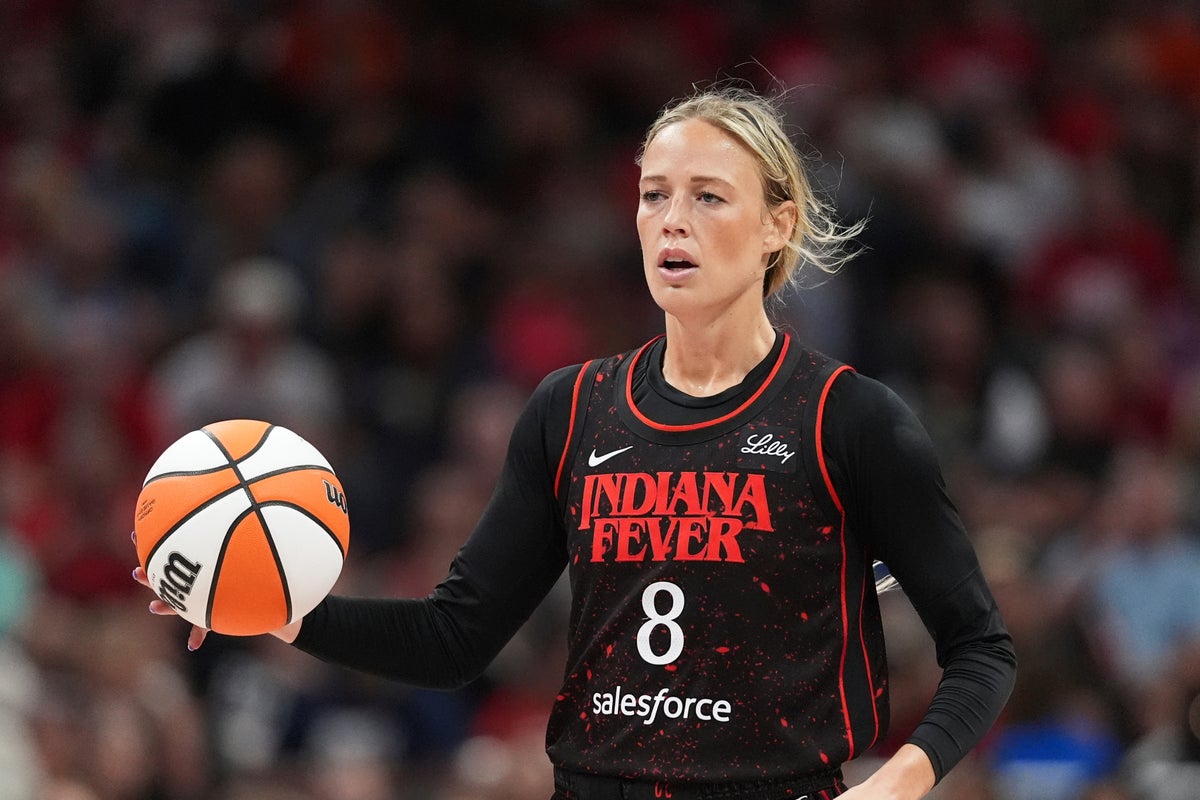
An Indiana man has been charged with stalking and harassment after allegedly sending a series of threatening and sexually explicit messages to WNBA player Sophie Cunningham. Authorities in Indiana confirmed the arrest following an investigation into digital communications directed at the Phoenix Mercury guard.
The suspect, identified in court filings as 32-year-old Daniel J. M. Bostic of Indianapolis, faces formal charges including stalking, a Level 6 felony in Indiana, according to records from the Indiana Supreme Court Odyssey Case Management System. The charges stem from an ongoing pattern of behavior that reportedly escalated over several months, causing the professional athlete to fear for her safety.
Details of the Investigation and Charges
According to the probable cause affidavit filed by law enforcement, the investigation into the stalking of Sophie Cunningham began after the athlete reported receiving a high volume of unsolicited and aggressive messages via social media platforms. The messages reportedly contained specific threats of physical violence and graphic, non-consensual sexual content.

Investigators utilized digital forensics to trace the origin of the accounts used to send the messages, eventually identifying the suspect’s location in Indiana. Under Indiana Code 35-45-10, stalking is defined as a knowing or intentional course of conduct involving repeated or continuing harassment of another person that would cause a reasonable person to feel terrorized, frightened, intimidated, or threatened. The prosecution alleges that the defendant’s actions met these criteria through persistent digital contact despite clear indications that the communication was unwanted.
The Phoenix Mercury organization has not issued a detailed public statement regarding the ongoing criminal proceedings, but the league has increasingly focused on player safety and the mitigation of online harassment. The WNBA has previously implemented programs aimed at protecting athletes from doxxing and digital stalking, often partnering with cybersecurity experts to monitor threats directed at players.
Legal Context: Stalking and Online Harassment
The case highlights the growing intersection between professional sports, social media accessibility, and criminal law. While athletes are often encouraged to maintain a public presence to engage with fan bases, the lack of traditional barriers between players and the public has led to a rise in targeted harassment cases.
Legal experts note that prosecuting digital stalking requires significant evidence regarding the “course of conduct” element of the law. Prosecutors must demonstrate that the communication was not merely isolated or accidental but part of a sustained effort to intimidate or harass. In this instance, the Indiana Rules of Criminal Procedure govern the timeline for the defendant’s initial appearance and the discovery process, ensuring that both the prosecution and the defense have access to the evidence gathered from the digital platforms involved.
For individuals facing similar patterns of harassment, legal advocacy groups and the Department of Justice’s Computer Crime and Intellectual Property Section recommend documenting every instance of contact, including timestamps and screenshots, before blocking the sender. Such records are essential for law enforcement to establish the threshold required for criminal charges.
What Happens Next in the Legal Process
Following the initial filing of charges, the court has scheduled a series of preliminary proceedings to determine the next steps in the case. The defendant is expected to appear for a formal arraignment, where he will be formally notified of the charges and his rights under the U.S. Constitution.

As of the most recent court updates, no trial date has been set. The judicial process will involve a period of discovery where the defense will review the evidence provided by the state, including digital logs and forensic reports. If the case proceeds to trial, the prosecution will bear the burden of proving the allegations beyond a reasonable doubt.
Updates regarding the status of the case will be posted to the public portal of the Indiana trial court records database as they become available. Readers interested in the intersection of athlete safety and digital law are encouraged to monitor these official filings for further developments in the case. Please share your thoughts in the comments section below regarding the evolving standards for digital safety in professional sports.