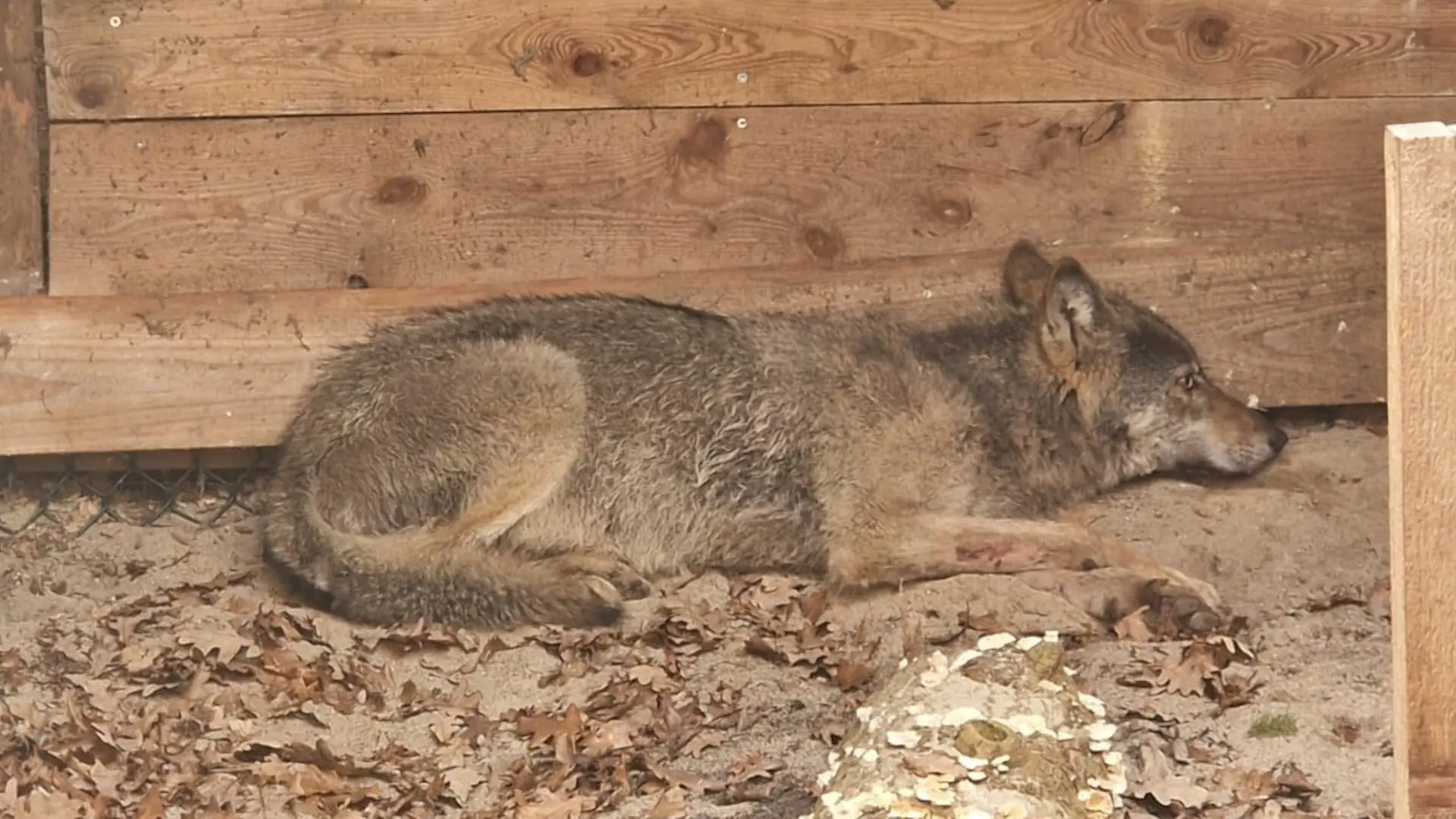
A rare and unsettling encounter in the heart of Hamburg has sparked a wider conversation about wildlife in urban spaces after a wolf attacked a woman in the city’s Altona district. The animal, which caused a significant stir in the metropolitan area, was eventually captured by police and has since been released back into the wild.
The incident occurred on a Monday evening along the Große Bergstraße, a busy shopping street. According to police reports, a woman was bitten in the face after attempting to facilitate the animal, which appeared confused and was repeatedly running into a glass pane. The woman, who believed the animal was a dog, tried to lead it out of the shopping area when the frightened wolf snapped in Altona.
Emergency responders treated the woman at the scene before transporting her to a hospital, where her wound required stitches. She was able to leave the hospital shortly after treatment. The wolf was later apprehended by police at the Jungfernstieg, a prominent area in downtown Hamburg, after it was reported to have swum in the Binnenalster in the city center.
The event is being viewed as a historic anomaly by wildlife experts. A spokesperson for the Federal Agency for Nature Conservation (Bundesamt für Naturschutz) stated that This represents the first time a human has been attacked by a wolf in Germany since the species began its recolonization of the country in 1998 since the 1998 resettlement.
Eyewitness Accounts and the Chaos of the Attack
The tension of the moment was captured by Lionel von Lawrence-Oehlen, a musical performer who was shopping with his two-year-old daughter at the time. He reported hearing a woman fall and seeing a “giant animal” that he initially mistook for a dog. Upon seeing blood and noting the size of the creature, he realized it was a wolf.

Lawrence-Oehlen provided the victim with a tissue for her facial wound and noted that the woman remained responsive. He described the animal as being extremely frightened, stating that the wolf had run with force against a glass pane until the door opened on its own, at which point the animal snapped out of fear while the woman attempted to guide it toward the exit witness account of the attack.
The Implications of Wolves in Urban Environments
While wolves typically avoid human settlements, experts suggest that the increasing population of wolves in Germany is making urban encounters more likely. Klaus Hackländer, a wolf expert from the German Wildlife Foundation (Deutsche Wildtierstiftung), noted that the probability of a wolf entering a settlement or a city is increasing due to the high number of wolves currently in the country expert analysis on urban wolves.
This incident highlights the complex balance between wildlife conservation and public safety. The wolf’s behavior—running into glass and appearing “confused”—suggests a state of extreme stress and disorientation rather than predatory aggression. However, the fact that such an animal reached the center of a major city like Hamburg serves as a reminder of the expanding range of the species.
Key Details of the Hamburg Incident
- Location of Attack: Große Bergstraße, Altona, Hamburg.
- Location of Capture: Jungfernstieg, Hamburg city center.
- Injury: Facial bite requiring stitches.
- Animal Status: Captured and subsequently released back into the wild.
- Historical Context: First recorded attack since the 1998 recolonization in Germany.
Public Reaction and Misinformation
As with many high-profile wildlife encounters, the event quickly spread across social media, leading to varying interpretations of the “Hamburg wolf attack.” Some online discussions have attempted to challenge the official narrative of the event, though official reports from the police and the Federal Agency for Nature Conservation remain the primary verified sources of the incident’s timeline and nature social media discussions.
The swift action of the Hamburg police and the decision by authorities to release the animal back into the wild indicate a commitment to managing the species’ presence without necessarily resorting to lethal measures, provided the animal is not deemed a permanent threat to the public.
For those seeking further official updates on wildlife management in the region, the Hamburg Environment Senator (Umweltsenatorin) has provided detailed briefings on the situation official government briefing.
The current status of the animal is that it has been returned to its natural habitat. There are no further scheduled actions reported at this time. We invite our readers to share their thoughts on the balance of urban development and wildlife preservation in the comments below.