
Authorities in Los Angeles have taken a 34-year-old woman into custody following a trespassing incident at the Tarzana residence of singer Chris Brown. The arrest, which occurred Tuesday evening, marks the latest in a series of security concerns at the musician’s west San Fernando Valley property, drawing renewed attention to the challenges high-profile figures face regarding residential privacy and perimeter security.
According to the Los Angeles Police Department (LAPD), officers were dispatched to the home shortly before 6 p.m. Following reports of an individual scaling the gated entrance to the private estate. While initial emergency dispatches characterized the event as a potential burglary, law enforcement officials confirmed that the suspect never gained entry into the singer’s primary residence. The suspect, identified as Ebonique Rembert, was subsequently booked on suspicion of misdemeanor trespassing, as reported by NBC4 Los Angeles.
Brown, who is a Grammy-winning artist and long-term resident of the Tarzana neighborhood, was reportedly not on the premises at the time of the incident. The investigation into the security breach remains ongoing, with the case file expected to be forwarded to local prosecutors for a formal review of charges. As of the latest update, it remains unclear whether the suspect has retained legal counsel to address the pending misdemeanor allegations.
A Pattern of Security Challenges in Tarzana
This week’s incident is not an isolated event for the artist. The Tarzana estate has been the focal point of several high-profile security investigations in recent months. The recurring nature of these unauthorized entries highlights a broader issue regarding the protection of celebrity homes, where perimeter breaches—often categorized under local California penal codes regarding criminal trespass—frequently demand significant law enforcement resources.

Earlier this May, the same property was the site of multiple arrests involving a 44-year-old individual who attempted to access the grounds on several occasions within a 24-hour window. That suspect faced multiple criminal counts, including trespassing and the possession of a controlled substance, specifically methamphetamine, according to records provided by the Los Angeles Police Department. The frequency of these events has prompted discussions among local law enforcement regarding the deployment of patrol units to the area.
Legal Framework and Trespassing Statutes
In California, trespassing is governed by various sections of the Penal Code, primarily Section 602, which defines the offense as entering another person’s land without permission with the intent to interfere with, injure, or damage the property. For high-profile residents, the legal threshold for pursuing charges often involves demonstrating that the intruder ignored clear signage or physical barriers, such as the gates mentioned in the recent LAPD reports.

The distinction between a “misdemeanor trespassing” charge and more serious allegations, such as residential burglary or stalking, often hinges on whether the suspect successfully crossed the threshold into the interior of the home. In the case of the most recent arrest involving Rembert, the lack of entry into the structure itself generally limits the charges to misdemeanor status under standard California sentencing guidelines, as outlined in the California Legislative Information database.
Key Takeaways: Understanding the Incident
- The Suspect: Ebonique Rembert, 34, was arrested on suspicion of misdemeanor trespassing.
- The Location: The incident occurred at the singer’s Tarzana home in the west San Fernando Valley.
- Status of the Home: Chris Brown was confirmed to be away from the residence at the time of the breach.
- Police Action: Officers responded to a report of a gate-hopping incident shortly before 6 p.m. On Tuesday.
- Legal Status: The case is currently being reviewed by prosecutors; the suspect’s legal representation status is unknown.
The Impact of Celebrity Privacy
The persistent nature of these intrusions raises questions about the balance between public interest in celebrity lives and the fundamental right to residential privacy. While the LAPD maintains a consistent protocol for responding to “in-progress” trespassing calls, the repetitive nature of these specific incidents at the Tarzana estate has become a point of concern for neighbors and local officials. Safety experts often advise high-profile individuals to implement multi-layered security systems, including motion-activated surveillance, private security patrols, and automated gate reinforcement, to deter unauthorized access.
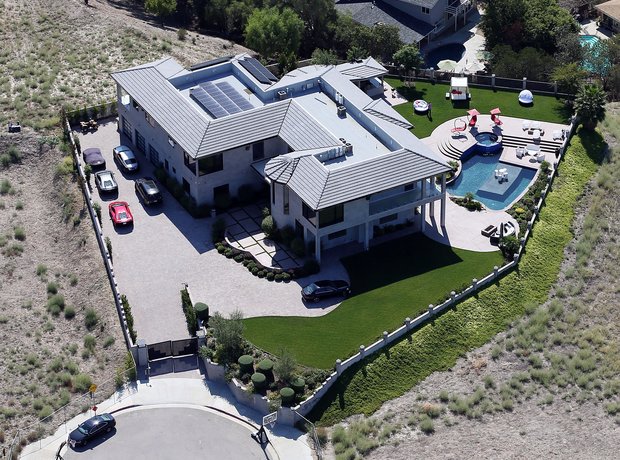
As the legal process moves forward, the community awaits further information from the District Attorney’s office regarding whether additional charges will be filed. For now, the incident serves as a stark reminder of the security vulnerabilities that persist even within highly gated and protected residential enclaves in Southern California.
We will continue to monitor the filings from the Los Angeles Superior Court regarding this case. Please share your thoughts in the comments section below, and stay tuned for further updates as this investigation develops.
Keep reading