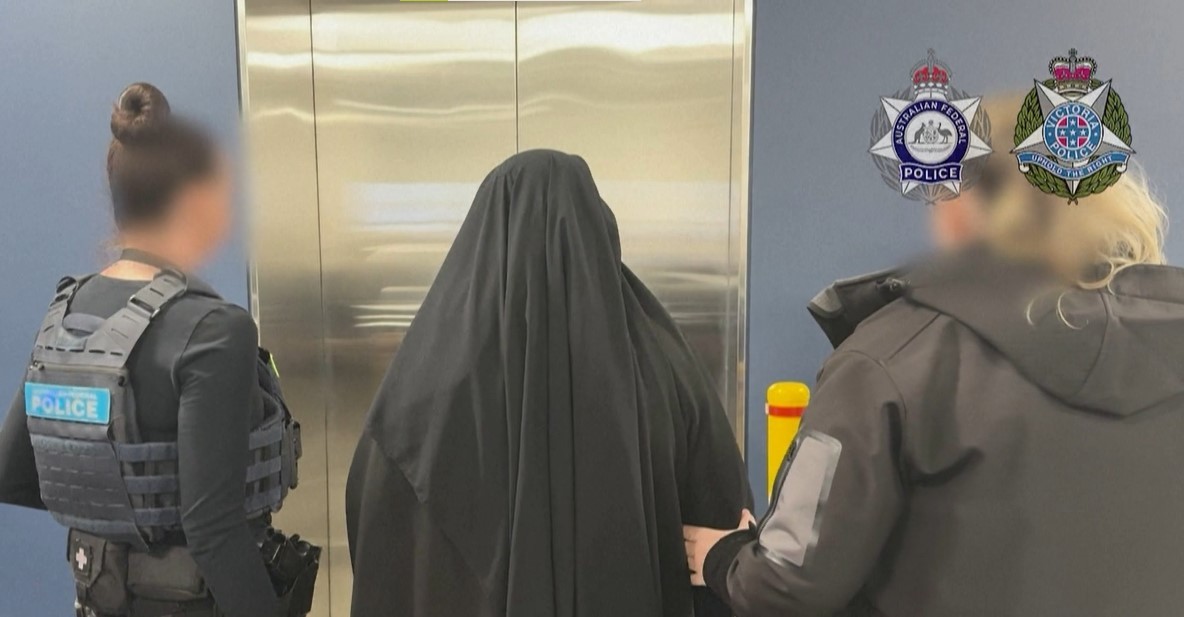
Australian authorities have initiated legal proceedings against a woman who recently returned to the country following her alleged involvement with the Islamic State (IS) in Syria. The case marks a significant moment in the nation’s ongoing efforts to prosecute individuals suspected of participating in foreign conflict zones, with the Australian Federal Police (AFP) confirming that the individual faces terrorism-related charges.
The return of Australian citizens from conflict-affected regions in Syria has been a complex matter for the federal government, involving national security assessments and the oversight of the Australian Federal Police. According to official reports regarding recent arrivals, the government has maintained a consistent policy that citizens who returned from these areas would be subject to criminal investigation and potential prosecution for their activities abroad.
Legal Framework and Terrorism Charges
The prosecution of individuals returning from Syria involves navigating complex legal terrain. While the specific nature of the charges against the woman currently appearing in court relates to her alleged activities with the Islamic State, the broader context of such cases often touches upon international humanitarian law and domestic counter-terrorism legislation. The Australian Federal Police have utilized specialized investigative operations, such as Operation Kurrajong, to manage the evidence gathered since 2015 regarding individuals linked to the conflict.
In cases involving foreign fighters or those who supported extremist organizations, prosecutors must establish the defendant’s role within the declared conflict zone. Under Australian law, remaining in a declared area without a legitimate reason is a specific offence that has been the subject of limited, but consequential, judicial testing. Legal experts note that these prosecutions are intended to uphold the rule of law regarding participation in groups designated as terrorist organizations by the Australian government.
The Context of Recent Returns
The return of this individual is part of a broader repatriation process involving multiple citizens who had been detained in camps in Northern Syria, such as the Al Roj Internally Displaced Persons camp. These camps have held various family members of foreign fighters since the territorial defeat of the Islamic State in 2019. The process of bringing these individuals back to Australia has been subject to intense public and political scrutiny, with the government balancing national security concerns against the legal rights of its citizens.

The Australian Federal Police have emphasized that their investigations are methodical and evidence-based. As noted in legal analysis published in The Conversation, the charges brought against returnees often include serious allegations related to the nature of their stay in Syria, which may involve complex international slavery or terrorism offences. These cases are among the first of their kind to reach the Australian court system, setting precedents for how the state handles individuals who have lived under the rule of extremist entities.
Public Security and Judicial Process
For the Australian public, these trials represent an effort to ensure accountability for actions taken in foreign war zones. The judicial system is now tasked with weighing the evidence provided by federal investigators against the legal protections afforded to the accused. As the proceedings move forward, the focus will remain on the specific allegations and the adherence to due process.
The government’s stance remains that returning citizens are subject to the full extent of the law. This approach is intended to mitigate risks to national security while ensuring that any criminal activity is addressed within the established legal framework of the Commonwealth. The AFP continues to monitor potential threats and maintains that the prosecution of these individuals is a necessary component of Australia’s domestic and international counter-terrorism strategy.
Looking Ahead
The case is currently before the courts, and further developments are expected as the prosecution presents its evidence and the defense responds to the charges. The next steps in the judicial process will include pre-trial hearings where the court will determine the scope of the evidence and the timeline for the trial itself. As these matters are currently sub judice, official updates will be provided through the relevant court registries and official statements from the Australian Federal Police.

As this is a developing situation, we encourage our readers to follow official court filings and statements from the Australian Federal Police for the most accurate and up-to-date information regarding the progress of these trials. We welcome your thoughts on the legal complexities of these cases in the comments section below.