
Estrogen Patch Shortage Leaves Women Seeking Alternatives
Millions of women rely on estrogen patches to manage symptoms of menopause and other hormone-related conditions. However, a persistent shortage of these patches is causing significant disruption and anxiety for patients and healthcare providers alike. The supply issues, which began in late 2023 and continue into 2026, are impacting multiple brands and dosages, leaving many searching for alternative treatments and answers. While the exact causes are multifaceted, ranging from manufacturing delays to increased demand, the consequences are clear: women are facing difficulty accessing a vital medication that significantly impacts their quality of life.
Estrogen patches deliver a consistent dose of estrogen through the skin, offering a convenient and effective method for hormone replacement therapy (HRT). They are often preferred by women who experience gastrointestinal issues that can affect the absorption of oral estrogen, or those who prefer to avoid the potential risks associated with oral HRT. The current shortage isn’t limited to a single manufacturer; several companies producing these patches have reported difficulties maintaining adequate supply, creating a widespread problem. This situation underscores the fragility of the pharmaceutical supply chain and the potential for disruptions to impact essential medications.
Dr. Eiliana Bitar, an obstetrician and gynecologist at Corewell Health Dearborn Hospital in Michigan, confirms the challenges her patients are facing. “We’re seeing a lot of frustration and anxiety,” Dr. Bitar stated. “Patients who have been on estrogen patches for years are suddenly unable to fill their prescriptions. It’s not just about managing menopausal symptoms like hot flashes and night sweats; for some women, estrogen is crucial for maintaining bone density and overall health.” Corewell Health’s provider directory lists Dr. Bitar’s specialties as Obstetrics and Gynecology, and indicates she is accepting new patients.
What’s Causing the Shortage?
Pinpointing the exact cause of the estrogen patch shortage is complex. Several factors appear to be contributing. Increased demand for HRT, driven by greater awareness of its benefits and changing medical guidelines, has set a strain on manufacturers. Manufacturing issues, including quality control problems and production delays, have further exacerbated the situation. Supply chain disruptions, a lingering effect of the COVID-19 pandemic, continue to impact the availability of raw materials needed to produce the patches. The FDA has acknowledged the shortage and is working with manufacturers to resolve the issues, but a definitive timeline for restoring normal supply remains unclear.
The shortage affects various strengths and brands of estrogen patches, including Climara, Vivelle-Dot, and others. The The Heights Women’s Health Center in Dearborn, Michigan, where Dr. Bitar practices, offers Obstetrics & Gynecology services and is likely impacted by the wider supply chain issues. The center lists a wide range of gynecological services, including treatments related to hormone imbalances and menopause.
What Are the Alternatives?
For women unable to obtain their usual estrogen patches, several alternatives are available, though each comes with its own considerations. Oral estrogen pills are a common alternative, but as mentioned previously, they may not be suitable for everyone. Transdermal estrogen gels and sprays are another option, offering a similar method of delivery through the skin. Vaginal estrogen creams and rings can effectively address vaginal dryness and other localized symptoms of menopause. The best alternative will depend on an individual’s medical history, symptoms, and preferences, and should be discussed with a healthcare provider.
Switching to a different form of estrogen isn’t always straightforward. Dosage adjustments may be necessary, and some women may experience different side effects with alternative treatments. It’s crucial to function closely with a doctor to find the most appropriate and effective solution. Compounding pharmacies, which create customized medications, may be able to formulate estrogen patches, but the quality and consistency of these compounded products can vary, and they are not regulated to the same extent as commercially manufactured drugs.
Understanding the Risks of Stopping Estrogen Therapy
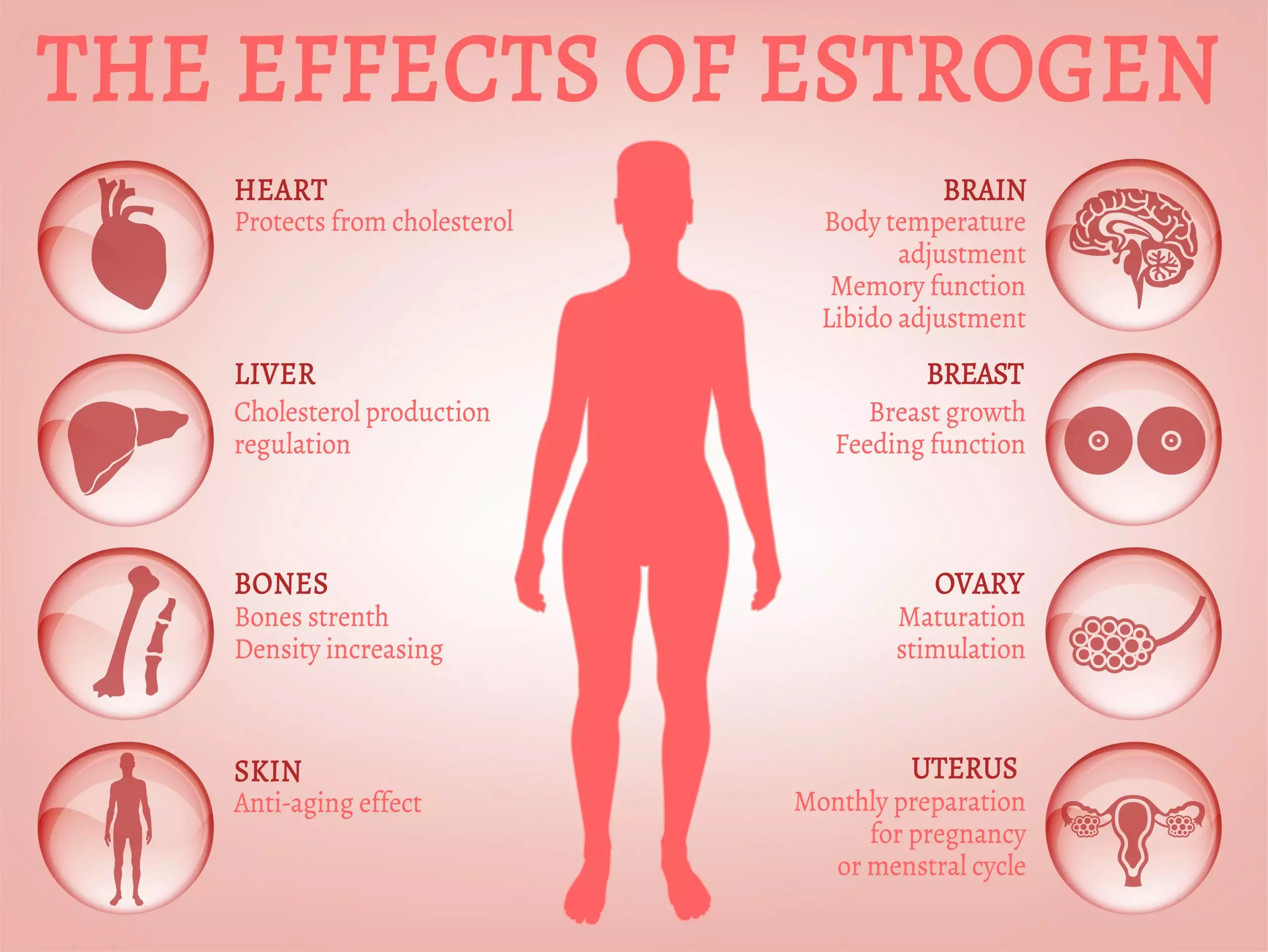
Abruptly stopping estrogen therapy can lead to a resurgence of menopausal symptoms, including hot flashes, night sweats, mood swings, and sleep disturbances. More importantly, for women who are prescribed estrogen for bone health, discontinuing treatment can increase their risk of osteoporosis and fractures. It’s essential to avoid stopping estrogen therapy without consulting a healthcare provider and exploring alternative options.
What Can You Do If You’re Affected?
If you’re experiencing difficulty obtaining your estrogen patches, here are some steps you can take:
- Contact Your Pharmacy: Ask your pharmacist if they have any stock of the patch you need or can suggest alternative pharmacies that might.
- Talk to Your Doctor: Discuss alternative forms of estrogen therapy and whether a different dosage or brand might be available.
- Check with Different Pharmacies: Call multiple pharmacies in your area to inquire about availability.
- Consider Compounding Pharmacies: Discuss the possibility of a compounded estrogen patch with your doctor, but be aware of the potential variability in quality.
- Stay Informed: Monitor the FDA website for updates on drug shortages and potential resolutions.
The FDA provides information on drug shortages, including estrogen patches, on its website. While the agency doesn’t directly resolve shortages, it works with manufacturers to identify the causes and expedite solutions. The situation is dynamic, and updates are frequently posted.
The Broader Implications of Drug Shortages
The estrogen patch shortage is not an isolated incident. Drug shortages have become increasingly common in recent years, impacting a wide range of medications, from antibiotics to chemotherapy drugs. These shortages can have serious consequences for patients, leading to treatment delays, increased costs, and potentially adverse health outcomes. The underlying causes are complex, including manufacturing problems, supply chain vulnerabilities, and economic factors. Addressing these issues requires a multi-faceted approach, including strengthening the pharmaceutical supply chain, incentivizing domestic manufacturing, and improving transparency in the drug production process.
The current situation highlights the need for greater resilience in the pharmaceutical industry. Relying on a limited number of manufacturers for essential medications creates a vulnerability that can be easily exploited by disruptions. Diversifying the supply chain and investing in domestic manufacturing capacity are crucial steps towards ensuring a stable and reliable supply of medications for all.
Key Takeaways
- A widespread shortage of estrogen patches is impacting women across the country.
- The shortage is caused by a combination of factors, including increased demand, manufacturing delays, and supply chain disruptions.
- Several alternatives to estrogen patches are available, but the best option will vary depending on individual needs.
- Patients should work closely with their healthcare providers to find the most appropriate solution.
- Drug shortages are a growing problem that requires a comprehensive and proactive approach.
The FDA continues to monitor the situation and work with manufacturers to resolve the estrogen patch shortage. The next update from the FDA regarding drug shortages is scheduled for release on May 15, 2026. In the meantime, patients are encouraged to stay informed and communicate openly with their healthcare providers. Share your experiences and concerns in the comments below, and help us raise awareness about this important issue.
Related reading