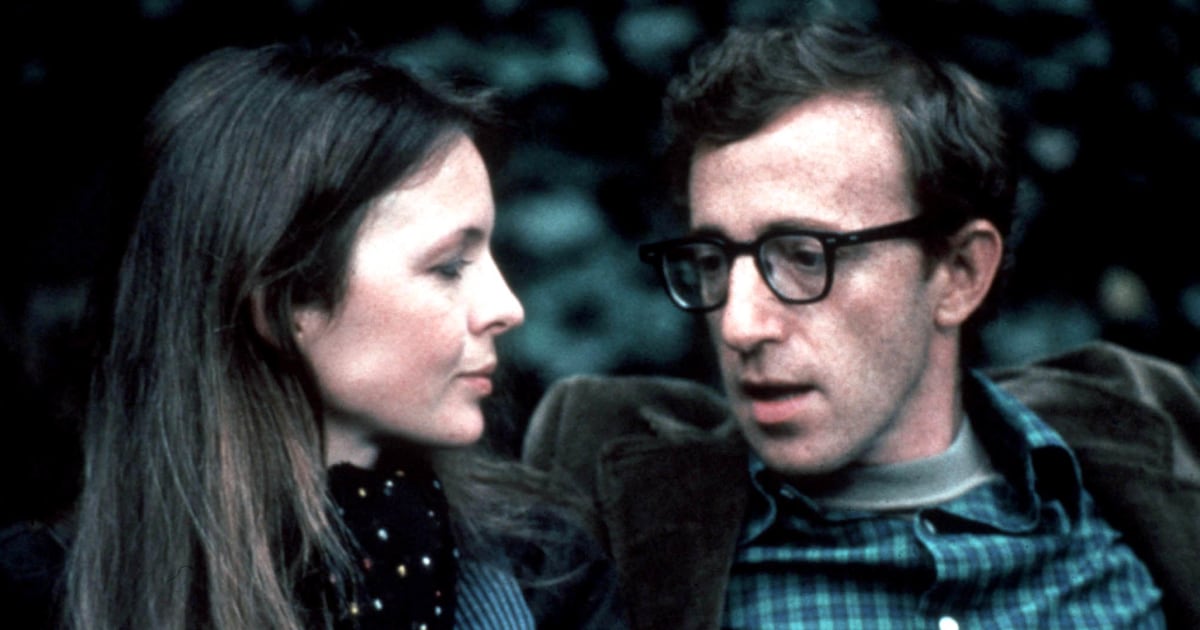
Woody Allen and Diane Keaton: A Complex Legacy of Collaboration and Controversy
Woody Allen’s reflections on the recent passing of Diane Keaton reveal a profound sense of loss, alongside a glimpse into a decades-long creative partnership and a deeply personal connection. Keaton’s death, he noted, fundamentally alters the world – shifting from a reality with her presence to one that now exists without. This sentiment underscores the important impact Keaton had, not just on Allen’s life, but on the landscape of cinema itself.
Their relationship, both professionally and personally, was marked by a unique dynamic. Allen playfully described their roles as mirroring those of classic Hollywood figures: Keaton as a Norma desmond-esque star, and himself as her former director turned chauffeur.This self-deprecating humor hints at the power imbalance inherent in their collaboration, yet also acknowledges a deep affection and respect.
A Collaborative History
Keaton rose to prominence through a series of iconic films directed by Allen, including Annie hall, Sleeper, and Manhattan. These films not only showcased her comedic timing and distinctive style but also cemented her status as a major Hollywood star.
* Her performances were often characterized by a charming blend of neurosis and vulnerability.
* she brought a unique energy to allen’s often intellectual and self-referential scripts.
* Their on-screen chemistry was undeniable, contributing significantly to the success of their films.
Beyond the screen, their connection evolved into a romantic relationship that captivated the public. However, this chapter of their lives ultimately concluded, paving the way for new, and often elaborate, personal paths.
Navigating Personal and Professional Shifts
Following their romantic split, Allen embarked on a relationship with Mia Farrow, a connection that would also become intensely public and ultimately fraught with controversy.Farrow already had several children when they met, and allen would become deeply involved in their lives.
Specifically:
- He co-adopted two of Farrow’s children, Dylan and Moses, in 1991.
- Farrow gave birth to Allen’s biological son, Ronan Farrow, in 1987.
However, this period was overshadowed by deeply damaging allegations. in 1992,Mia and Dylan Farrow publicly accused Allen of sexually abusing Dylan when she was seven years old. Allen vehemently denied these accusations, calling them a “gruesomely damaging manipulation.”
Despite a thorough examination, Allen was never charged with a crime. Yet,the allegations resurfaced decades later,notably during the #MeToo movement,reigniting public debate and scrutiny.
Loyalty and the Weight of Accusations
During this renewed wave of scrutiny, Keaton publicly defended Allen. In a 2018 post, she expressed her continued belief in his innocence and encouraged people to review a 1992 60 minutes interview for context. This act of support sparked considerable controversy,highlighting the complexities of navigating personal loyalty in the face of serious accusations.
You might wonder why someone would publicly defend a friend facing such allegations. Keaton’s statement suggests a long-standing trust and a belief in Allen’s character, shaped by years of shared experiance. Though, it also underscores the tough position individuals find themselves in when confronted with conflicting narratives and deeply sensitive issues.
Life Beyond the Headlines
Ultimately, both Keaton and Allen forged their own paths. Keaton never married, dedicating herself to her career and motherhood. Allen, in 1997, married Soon-Yi Previn, one of Mia Farrow’s adopted children, a union that further fueled public controversy.
Their lives, intertwined for so long, diverged in ways that reflect the unpredictable nature of relationships and the enduring power of personal choices. Allen’s recent reflections on Keaton’s passing serve as a poignant reminder of the lasting impact of shared history, creative collaboration, and the enduring complexities of the human heart. Keaton’s legacy, both on and off screen, continues to resonate, and her absence leaves a palpable void in the world of cinema.
Related reading