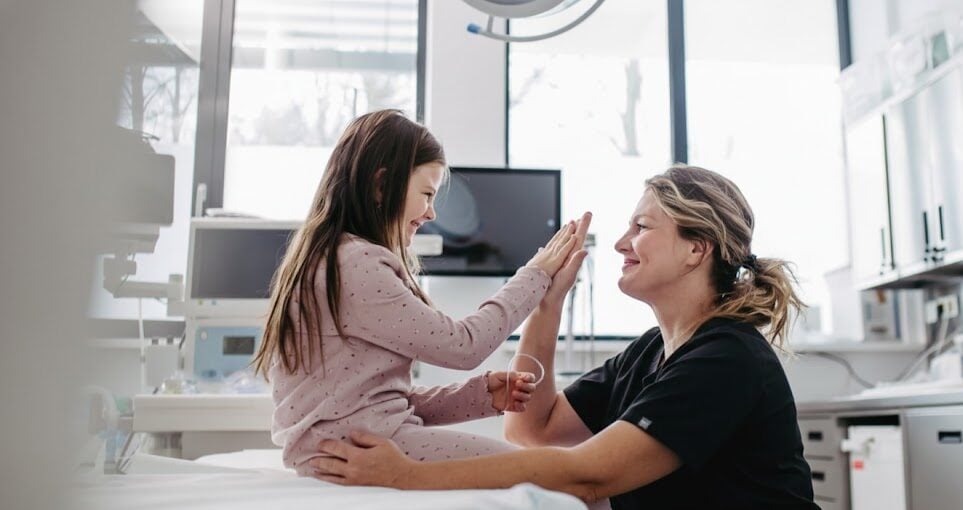
Corporate nurse triage services provide immediate medical assessment for employees to determine the necessary level of care for health concerns. By utilizing trained nursing staff to evaluate symptoms, companies can reduce unnecessary absenteeism, manage presenteeism, and implement structured return-to-work protocols that minimize lost productivity and healthcare costs.
For large-scale enterprises and industrial operations, the management of employee health has shifted from a reactive administrative task to a proactive economic strategy. As organizations face rising healthcare costs and the complexities of post-pandemic workforce management, nurse-led triage is emerging as a tool to stabilize workforce availability. This clinical intervention aims to bridge the gap between an employee’s initial symptom onset and their eventual return to full operational capacity.
The economic implications of health-related disruptions are significant. According to data from various global health organizations, absenteeism—the act of being away from work due to illness—and presenteeism—the phenomenon of employees working while unwell and thus performing at reduced capacity—contribute to substantial losses in global GDP. By integrating nurse triage into corporate wellness programs, businesses seek to address these losses through professional medical guidance provided directly within the workplace or through dedicated digital channels.
How does the corporate nurse triage process work?
The operational workflow of nurse triage in a business setting is designed to provide rapid, evidence-based decision-making. Rather than an employee immediately deciding to take a sick day or visiting an emergency department for a non-urgent issue, the triage process introduces a professional clinical assessment as the first point of contact.
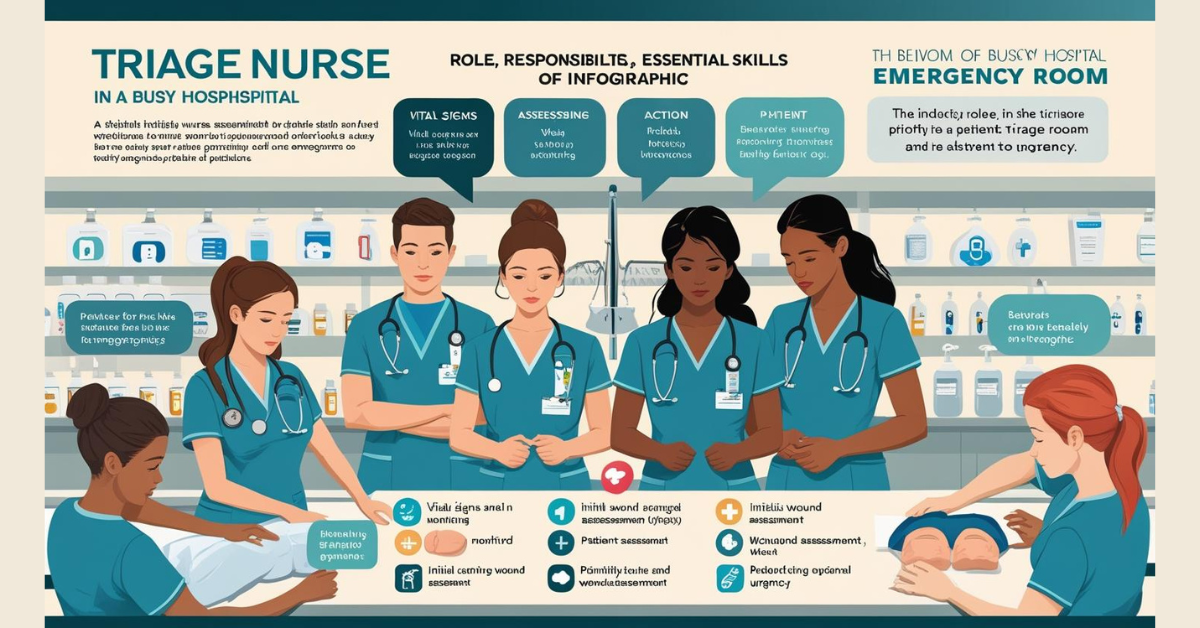
The process typically follows a four-stage sequence:
- Initial Assessment: An employee reports a symptom or injury to the triage nurse, either in person at an on-site clinic or via a secure telehealth platform. The nurse conducts a clinical interview to gather vital signs, symptom duration, and severity.
- Clinical Decision-Making: Using established medical protocols, the nurse categorizes the urgency of the situation. This determines whether the employee requires immediate emergency intervention, a scheduled visit to a primary care physician, or can manage the issue through self-care.
- Actionable Recommendation: The nurse provides a specific directive. For minor ailments, this may include rest or over-the-counter guidance. For more significant issues, the nurse facilitates the transition to higher-level medical care, ensuring the employee does not navigate the healthcare system without direction.
- Return-to-Work (RTW) Coordination: If the employee is deemed fit for modified duties, the nurse works with the employee and, where legally permissible, the HR department to implement a gradual return to work. This prevents total absenteeism by allowing the employee to contribute while recovering.
This structured approach ensures that medical decisions are based on clinical necessity rather than employee guesswork or administrative convenience, which helps maintain a consistent standard of care across the organization.
The economic drivers: Reducing absenteeism and presenteeism
The primary business motivation for adopting corporate nurse triage services is the mitigation of lost productivity. Businesses often struggle with two distinct but related issues: absenteeism and presenteeism. While absenteeism is easily tracked via leave records, presenteeism is often a “hidden cost” that can be more damaging to long-term operational efficiency.
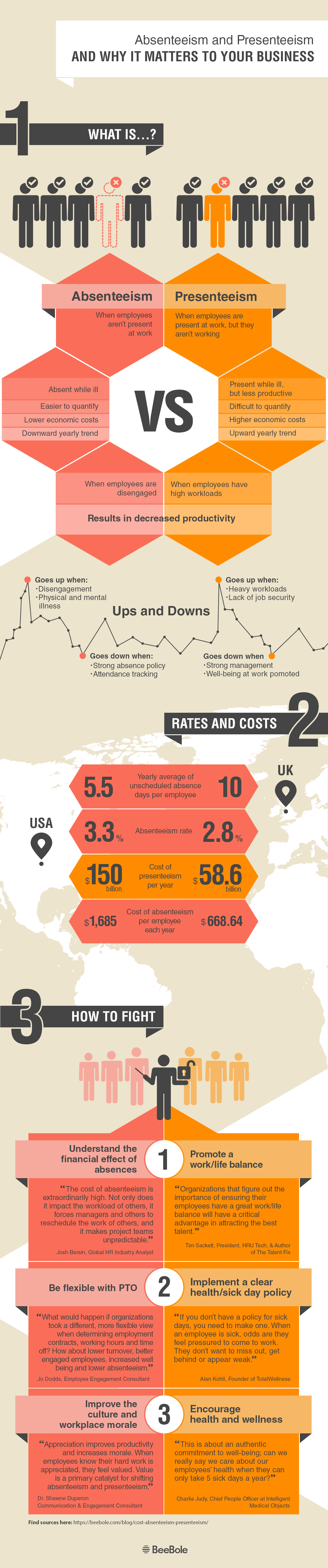
Absenteeism is frequently driven by uncertainty. Without immediate medical guidance, employees may opt for extended sick leave to ensure they are “safe” to return, or they may visit emergency rooms for minor ailments, leading to prolonged recovery periods and unnecessary medical expenses. Nurse triage mitigates this by providing a clear, clinical pathway to recovery, often shortening the duration of the absence through early intervention and proper management.
Presenteeism occurs when employees attempt to work through illness, often due to high workloads or fear of job insecurity. This frequently leads to errors, decreased cognitive function, and a higher risk of workplace accidents, particularly in manual or high-risk industrial environments. By providing a confidential space for medical assessment, triage services encourage employees to address health issues early, preventing minor ailments from escalating into chronic conditions or acute crises that require extended leave.
From a financial perspective, the Return on Investment (ROI) for these programs is typically measured by the reduction in lost workdays and the stabilization of healthcare premiums. When employees utilize efficient triage pathways, they avoid high-cost medical settings for low-acuity issues, which can lower the overall cost of employer-sponsored health insurance plans.
Comparing on-site vs. remote nurse triage models
Companies choose between different delivery models based on their industry, workforce density, and geographic distribution. The choice of model significantly impacts the speed of intervention and the total cost of implementation.

| Feature | On-Site Nurse Triage | Telehealth/Remote Triage |
|---|---|---|
| Primary Advantage | Immediate physical assessment and wound care. | Scalability and 24/7 accessibility for remote staff. |
| Best Suited For | Manufacturing, construction, and heavy industry. | Corporate offices and geographically dispersed teams. |
| Implementation Cost | Higher (requires physical space and staffing). | Lower (subscription or per-use models). |
| Response Time | Instantaneous for on-site employees. | Rapid, but dependent on internet connectivity. |
| Clinical Scope | High; includes physical procedures. | Moderate; focused on verbal/visual assessment. |
Who benefits most from corporate medical assessment services?
While any organization can benefit from improved health management, specific sectors see the most significant impact from nurse-led triage services. The utility of the service is generally proportional to the physical risk of the work environment and the cost of labor downtime.
Industrial and Manufacturing Sectors: In environments where physical safety is paramount, such as factories or warehouses, a nurse on-site can provide immediate triage for occupational injuries. This prevents minor injuries from becoming major disability claims and ensures that employees receive correct first aid immediately, which is critical for successful return-to-work outcomes.
Logistics and Transportation: For companies managing large fleets of drivers or warehouse staff, remote triage models allow for rapid health checks that can prevent drivers from operating vehicles while impaired by illness, thereby reducing the risk of accidents and associated liability.
Large-Scale Corporate Enterprises: In high-density office environments, the focus shifts toward managing infectious diseases and mental health-related absenteeism. Triage services help contain outbreaks within the office and provide a confidential first step for employees experiencing stress-related health issues, facilitating early intervention before these issues lead to long-term leave.
Frequently Asked Questions
Is nurse triage a replacement for a company doctor?
No. Nurse triage is a frontline assessment tool designed to direct employees to the appropriate level of care. While nurses can provide significant clinical guidance and manage minor issues, they do not replace the diagnostic and prescribing authority of a physician, especially for complex or chronic medical conditions.
How does triage impact employee privacy?
Professional nurse triage services operate under strict medical confidentiality standards. In most jurisdictions, health information collected during triage is treated as protected medical data and is not shared with management or HR, except for the specific purpose of determining work capacity or necessary accommodations.
Can triage services help with mental health?
Yes. Many modern triage protocols include psychological first aid and mental health assessment. Nurses can identify signs of acute distress and direct employees to appropriate mental health professionals or Employee Assistance Programs (EAPs), which is a critical component of modern occupational health management.
The integration of nurse triage into corporate structures is expected to become more standardized as companies increasingly incorporate health and safety metrics into their Environmental, Social, and Governance (ESG) reporting. The next phase of development in this field will likely involve the integration of AI-driven predictive analytics to identify health trends within a workforce before they result in significant absenteeism.
For more updates on global business trends and workplace economics, please subscribe to our newsletter and share this article with your professional network.
Related reading