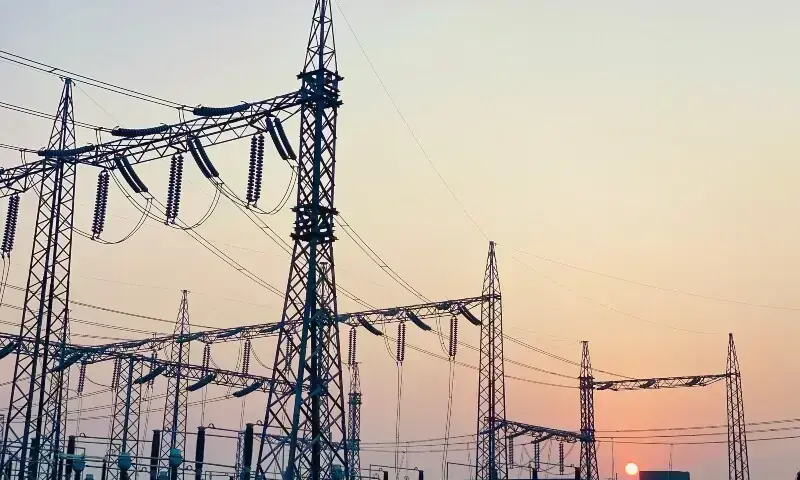
The World Bank’s Board of Executive Directors has approved $375.9 million in financing for the Grid Stability Enhancement Project, a new initiative designed to modernize Pakistan’s national power transmission network. This funding marks the first phase of the Boosting Energy Security through Transmission in Pakistan (BEST-PAK) Multiphase Programmatic Approach, a 10-year strategy intended to reduce power outages and integrate higher levels of clean energy into the country’s electricity mix.
For millions of households and businesses across Pakistan, the project aims to address long-standing grid instability and transmission bottlenecks that have historically hindered the delivery of reliable electricity. According to the World Bank, these infrastructure constraints have previously left significant clean energy generation capacity underutilized, contributing to higher operational costs and lost economic opportunities.
Grid Modernization and Renewable Integration
The core of the Grid Stability Enhancement Project involves installing advanced equipment at key substations to stabilize the transmission grid and improve electricity flow. This technical upgrade is expected to be a significant factor in bringing 640MW of currently curtailed wind energy onto the national grid. By facilitating the movement of this power to major demand centers, the project aims to enable the full utilization of 1,840MW of wind capacity located in southern Pakistan.
Beyond existing wind capacity, the upgrades are designed to support the integration of approximately 491MW of planned, private sector-led renewable energy projects. These improvements are aligned with Pakistan’s national commitment to achieving 60% renewable energy in its electricity mix by 2030, a goal established under the country’s Nationally Determined Contribution to the Paris Agreement. Over the project’s 25-year lifetime, it is projected to avoid roughly 832,500 tonnes of carbon dioxide emissions annually, totaling more than 20.8 million tonnes.
Economic Stability and Institutional Reform
Bolormaa Amgaabazar, the World Bank’s Country Director for Pakistan, emphasized the link between energy infrastructure and the broader economy. “By investing in advanced technologies for more resilient transmission infrastructure, this project will contribute to reducing electricity costs, bring more renewable energy onto the grid, and lay the groundwork for a power sector that works better for households, businesses and industries, as well as overall Pakistan’s economy,” Amgaabazar stated in a press release.
The project also functions as a vehicle for the government’s transmission-sector reform agenda. This includes the restructuring of the National Transmission and Dispatch Company (NTDC) into specialized successor entities. Waleed Saleh Alsuraih, Lead Energy Specialist for the BEST-PAK program, noted that the initiative creates conditions for future private capital participation by focusing on institutional reforms, governance, and accountability within the power sector.
Climate Resilience in Infrastructure Design
Given that Pakistan is recognized as one of the countries most exposed to climate-related risks—including extreme heat and flooding—the project integrates specific resilience standards into its design. All new installations are required to meet climate-resilient specifications, such as the use of elevated platforms to mitigate flood exposure. Furthermore, the equipment is engineered to maintain operational performance in temperatures reaching up to 55 degrees Celsius, ensuring that the grid remains functional during heatwaves and monsoon seasons.
As the first phase of the 10-year BEST-PAK program, this investment serves as a foundational step toward long-term energy security. Stakeholders and industry observers can monitor future progress through official updates from the World Bank and the relevant Pakistani energy ministries as the project moves into the implementation stage. Readers are encouraged to share their perspectives on the impact of these infrastructure improvements on Pakistan’s energy sector in the comments section below.