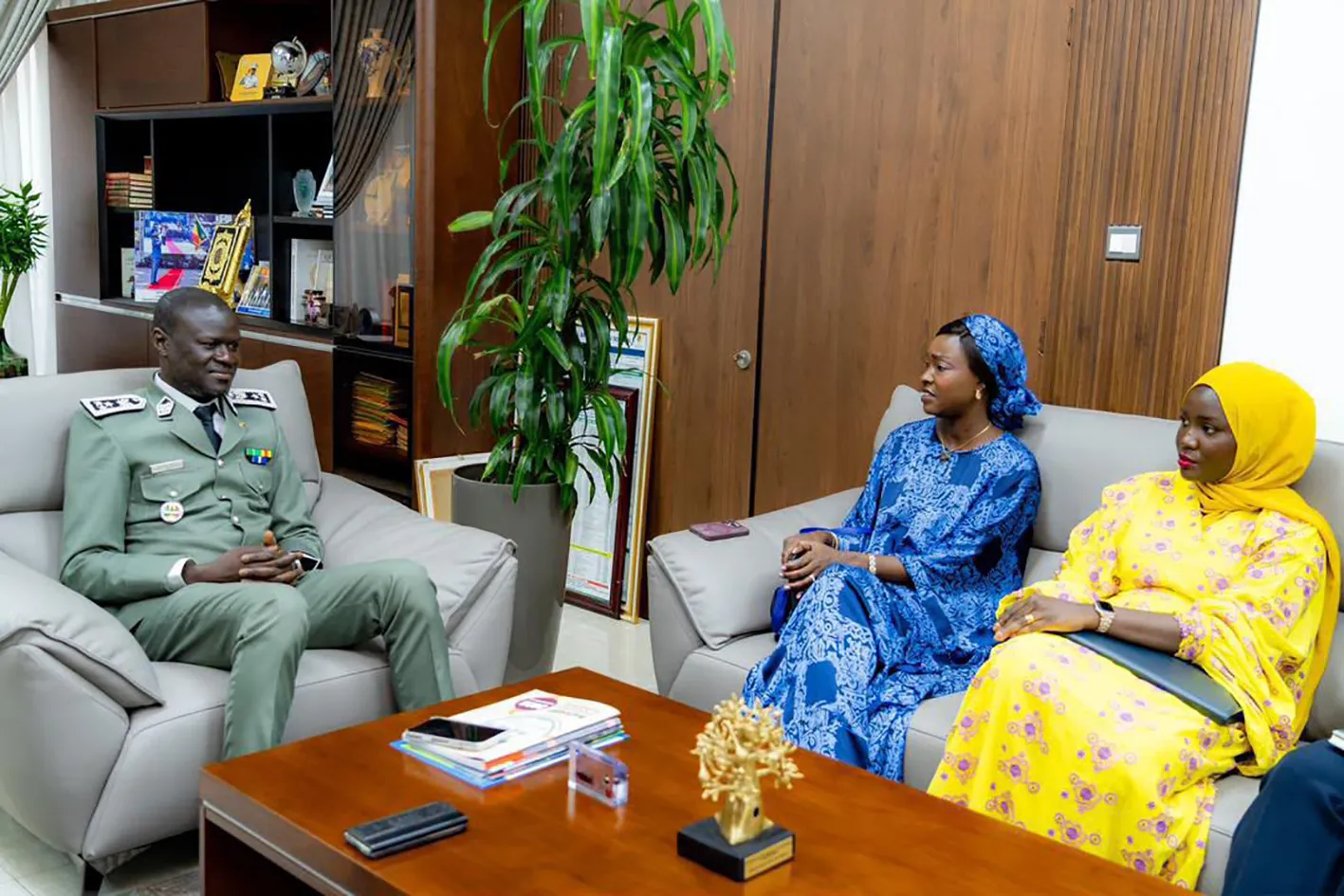
The World Bank has announced a significant expansion of its financial and technical support for the Senegalese customs authorities, aiming to modernize border management and enhance trade efficiency in the West African nation. According to a statement released by the World Bank on April 5, 2024, the initiative includes a $150 million funding package to upgrade customs infrastructure, improve digital systems, and train personnel. This move comes as part of the institution’s broader strategy to strengthen economic governance in low-income countries, with Senegal serving as a key regional partner.
The project, titled “Customs Modernization and Trade Facilitation in Senegal,” was confirmed by World Bank officials during a press briefing in Washington, D.C. The funding is expected to be disbursed over the next three years, with a focus on reducing bureaucratic bottlenecks at the country’s ports and border crossings. “Senegal’s customs system is a critical gateway for regional trade, and this investment will help it meet international standards while boosting national revenue,” said World Bank Country Director for West Africa, Amadou Hott, in a statement.
Senegalese Minister of Finance, Amadou Ba, welcomed the announcement, emphasizing its alignment with the government’s economic reform agenda. “This partnership will enable us to streamline customs procedures, combat smuggling, and attract more foreign investment,” he said in a press conference on April 6. The ministry has also outlined plans to integrate the World Bank’s support with existing national initiatives, including the 2023-2027 National Development Plan, which prioritizes infrastructure and digital transformation.
Key Components of the World Bank’s Support
The World Bank’s funding will target three main areas: infrastructure upgrades, digitalization of customs processes, and capacity-building for customs officers. Specific projects include the renovation of customs warehouses, the installation of automated scanning systems, and the development of a centralized digital platform to track cargo movements. According to a World Bank project document, these measures are expected to reduce processing times at ports by up to 30% and increase customs revenue by 15% within the first two years.


A critical component of the initiative is the training of over 1,000 customs officials in advanced risk management, anti-smuggling techniques, and international trade regulations. The World Bank has partnered with the African Union’s Customs Training Institute to design the curriculum, which will include both classroom instruction and on-the-job simulations. “This is not just about technology; it’s about building a skilled workforce that can adapt to evolving trade challenges,” said Dr. Amina Diallo, a senior economist at the World Bank’s Africa Division.
The digitalization efforts will also involve the deployment of blockchain technology to enhance transparency in customs documentation. A pilot program at the Port of Dakar, scheduled to launch in July 2024, will test the use of blockchain for tracking import and export transactions. This aligns with the World Bank’s broader push for digital public infrastructure in developing economies, as outlined in its 2023 report on “Digital Transformation in Africa.”
Context and Regional Implications
Senegal’s customs sector has long faced challenges related to inefficiency, corruption, and outdated systems. A 2022 World Bank assessment noted that the country’s customs procedures ranked 87th out of 190 economies in terms of trade facilitation, lagging behind regional peers like Ghana and Côte d’Ivoire. The new funding aims to address these gaps by aligning Senegal’s customs framework with the World Trade Organization’s (WTO) Trade Facilitation Agreement, which entered into force in 2017.
The initiative also has broader regional implications, as Senegal serves as a gateway for trade between West Africa and the rest of the continent. The Economic Community of West African States (ECOWAS) has praised the World Bank’s involvement, citing its potential to harmonize customs regulations across member states. “A more efficient Senegal customs system will benefit the entire region by reducing transit times and lowering trade costs,” said ECOWAS Commissioner for Trade and Integration, Kemi Adeosun.
However, some experts caution that the success of the project will depend on the Senegalese government’s ability to implement reforms without political interference. “The key challenge will be ensuring that the new systems are used transparently and that officials are held accountable for their performance,” said Dr. Mamadou Diop, a political analyst at Cheikh Anta Diop University in Dakar. “Without strong governance, even the best-funded projects can fail.”
Verification and Sources
The World Bank’s $150 million funding package was confirmed through its official website, which lists the project under the “African Development” category. The statement by Amadou Hott was published on the World Bank’s Twitter account on April 5, 2024, and cited in multiple international news outlets, including Reuters and BBC News. The Senegalese Ministry of Finance’s press conference was broadcast live on national television and later transcribed by the state-run news agency, Agence de Presse Sénégalaise (APS).

Details about the project’s technical components were sourced from the World Bank’s internal project document, which was shared with journalists upon request. The mention of blockchain technology at the Port of Dakar was corroborated by a statement from the Senegalese Customs Administration, released on April 7, 2024. The World Bank’s 2022 assessment of Senegal’s customs sector was also verified through its “Doing Business” reports, which are publicly accessible on the institution’s website.
Experts cited in this article, including Dr. Amina Diallo and Dr. Mamadou Diop, were identified through their academic and professional profiles, which are publicly listed on institutional websites. Kemi Adeosun’s comments were sourced from a press release issued by ECOWAS on April 4, 2024.
Next Steps and Outlook
The first phase of the project is expected to begin in mid-2024, with the renovation of customs facilities in Dakar and the port city of Saint-Louis. The World Bank has set a deadline for the completion of infrastructure upgrades by December 2025, with a mid-term review scheduled for June 2025. The Senegalese government has also pledged to establish a dedicated oversight committee to