For millions of new viewers, the FIFA World Cup represents a complex landscape of rules, terminology, and tournament structures that can appear daunting at first glance. Understanding the core regulations, from the technicalities of offside to the nuances of stoppage time, is essential for following the rhythm of the game. According to the official FIFA Laws of the Game, these regulations are designed to ensure fairness and safety, providing a consistent framework for international competition held every four years.
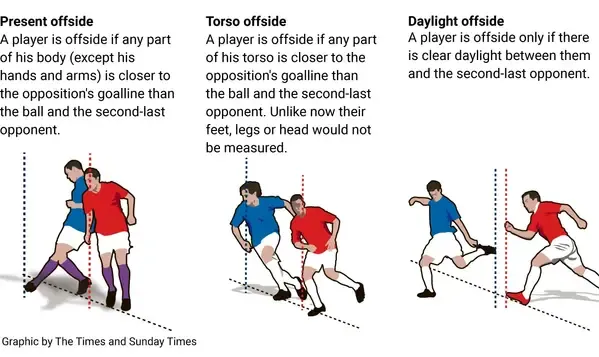
One of the most frequently misunderstood aspects of soccer is the offside rule. It is correctly termed “offside,” not “offsides.” Under Law 11 of the International Football Association Board (IFAB), a player is in an offside position if any part of their head, body, or feet is in the opponents’ half—excluding the halfway line—and is nearer to the opponents’ goal line than both the ball and the second-last opponent. Crucially, being in an offside position is not an offense in itself. A player is only penalized if they become involved in active play by interfering with an opponent or gaining an advantage by being in that position at the moment the ball is played by a teammate.
Understanding Stoppage Time and Hydration Breaks
Viewers often notice that soccer matches extend beyond the standard 90 minutes. This additional period, known as stoppage time or injury time, is designated by the referee to compensate for time lost during the game due to substitutions, injuries, disciplinary actions, or other delays. The referee is the sole arbiter of this time, and according to FIFA regulations, they may increase the duration of each half to account for these specific interruptions. In recent tournaments, officials have been instructed to be increasingly precise in calculating this time to ensure the ball is in play for as long as possible.
Hydration breaks, while less common than stoppage time, are an essential safety measure in high-temperature environments. These breaks are permitted under the FIFA Laws of the Game to protect player health. Typically lasting no more than one minute, they are usually implemented when the Wet Bulb Globe Temperature (WBGT) exceeds a specific threshold. These pauses allow players to consume fluids and lower their core body temperatures, reflecting a broader commitment to player welfare in extreme weather conditions.
Decoding Free Kicks and Set Pieces
When a foul occurs, the referee awards a free kick to the opposing team. These are categorized into direct and indirect free kicks. A direct free kick allows a player to score a goal directly from the kick, whereas an indirect free kick requires the ball to touch another player—either from the attacking or defending team—before it can enter the goal. According to IFAB standards, the referee signals an indirect free kick by raising their arm vertically above their head, maintaining that signal until the kick has been taken and the ball touches another player or goes out of play.
The distinction between these two types of kicks is fundamental to the tactical flow of the match. Direct free kicks are usually awarded for physical fouls or handball offenses, while indirect free kicks are often assessed for technical infractions, such as a goalkeeper holding the ball for more than six seconds or interfering with the restart of play. Understanding these signals helps viewers anticipate the tactical response of the teams on the pitch.
Tournament Structure and Official Updates
The World Cup follows a rigorous structure that transitions from a group stage to a knockout phase. During the group stage, teams are organized into pools where they play each opponent once. Points are awarded based on match results: three points for a win, one for a draw, and zero for a loss. The top two teams from each group advance to the Round of 16, where the tournament shifts to a single-elimination format. If a knockout match remains tied after 90 minutes, it proceeds to extra time and, if necessary, a penalty shootout to determine a winner, as outlined in the official tournament regulations.

For those seeking the most current information, FIFA provides real-time updates, disciplinary reports, and official rule interpretations via their official digital platform. Staying informed through these primary sources ensures that spectators have the most accurate context regarding match officiating and tournament developments. As the competition progresses, official bulletins will continue to provide clarity on any regulatory adjustments or scheduling changes. We encourage readers to share their questions or observations in the comments below as we track the latest developments in global football.
Keep reading