As the international football calendar pushes toward a busy weekend of action, the global conversation is increasingly dominated by the anticipation of the 2026 World Cup. For fans and analysts alike, the buildup has shifted from traditional paper wallcharts to sophisticated digital modeling. The ability to simulate tournament progression—calculating the potential paths of favorites like Spain and France—has fundamentally changed how supporters engage with the prospect of a championship run.
The 2026 FIFA World Cup, which will be jointly hosted by the United States, Canada, and Mexico, represents a significant expansion of the tournament format. According to official FIFA documentation regarding the 2026 World Cup format, the competition will feature 48 teams for the first time, a substantial increase from the 32-team structure used in previous iterations. This expansion is designed to broaden the tournament’s global reach and provide more opportunities for national teams to compete on the world stage.
Evolving Tournament Dynamics and Fan Engagement
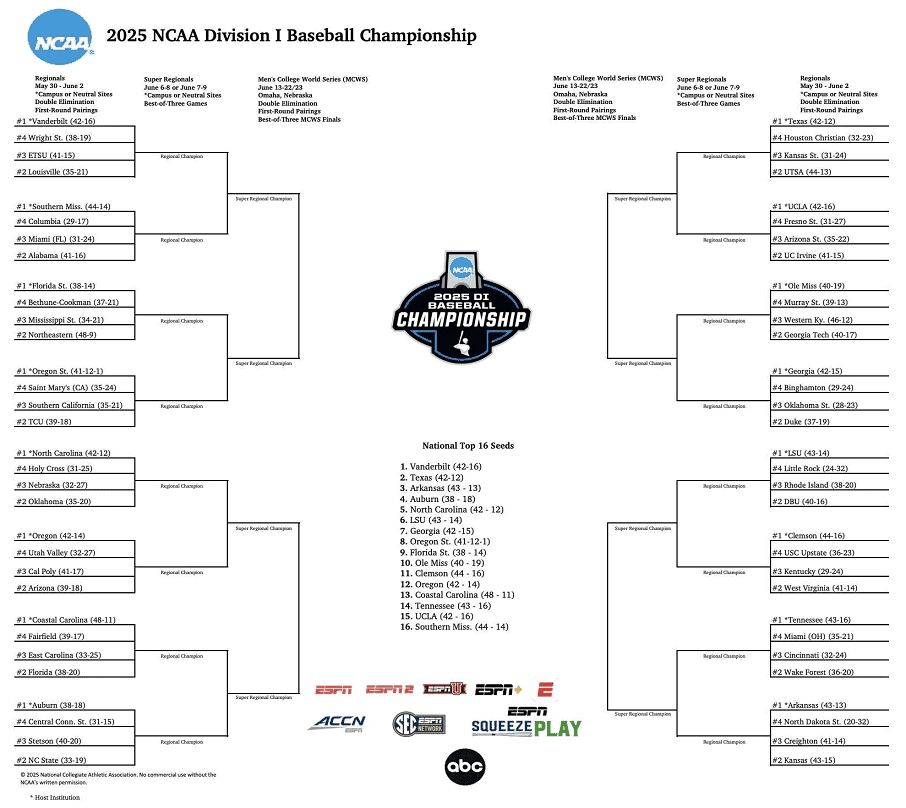
In past cycles, determining the most likely stage of elimination for a national team often involved manual calculations and physical bracket tracking. Today, the rise of interactive, clickable online brackets allows fans to visualize complex scenarios, such as whether top-seeded nations might face each other in the knockout stages. This technological shift reflects a broader trend in sports analytics, where data-driven insights are becoming accessible to the general public.
For teams like Spain and France, the focus remains on securing top spots in their respective groups to ensure a more favorable path through the bracket. While the favorites are often identified by their historical performance and current FIFA rankings, the expanded 48-team field introduces a higher degree of unpredictability. The latest FIFA/Coca-Cola World Ranking provides the current baseline for how these teams are positioned heading into the qualification and preparation phases.
International Football and the Lionesses in Spain
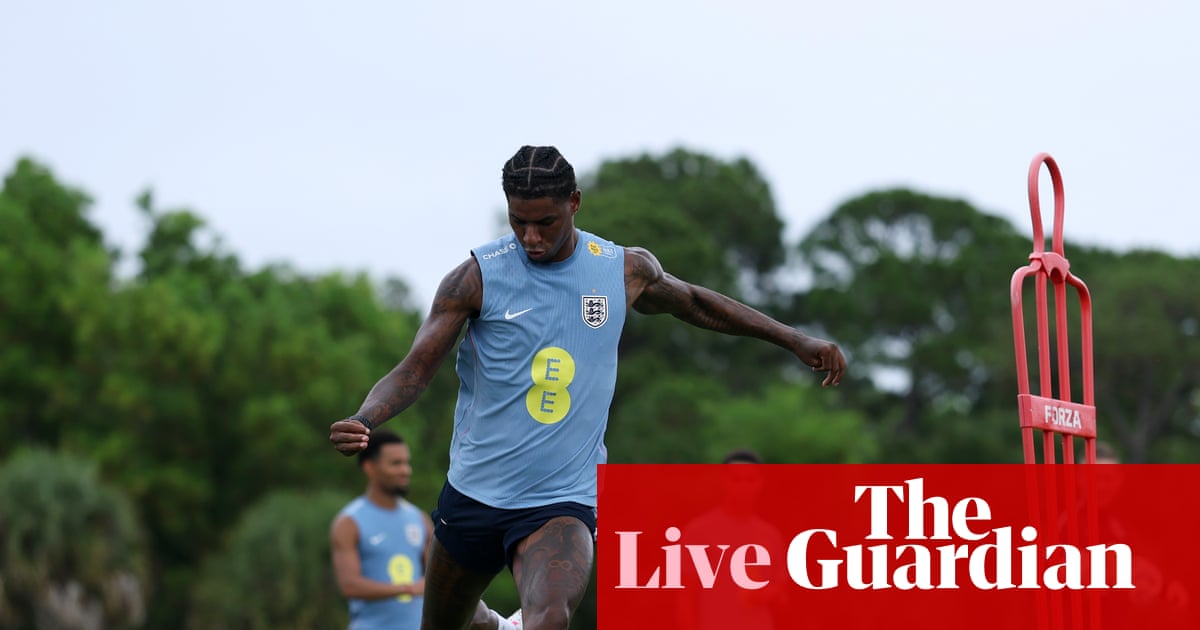
Beyond the men’s game, the international landscape remains vibrant with activity in the women’s sector. The England women’s national team, known as the Lionesses, has been a focal point of recent training and preparatory camps held in Spain. These sessions are crucial for maintaining team cohesion and tactical refinement ahead of major international windows.

The use of Spanish facilities for high-performance training is a common strategy for European squads seeking consistent weather and world-class infrastructure. This environment allows for rigorous match preparation and the integration of new tactical concepts. As the Lionesses continue their development, the focus remains on maintaining the competitive edge that saw them achieve success in recent continental and global tournaments, as documented by the English Football Association.
Transfer Market Activity and Seasonal Preparation
As we approach the weekend, the football world is also closely watching the transfer market. Clubs across Europe are currently finalizing their recruitment strategies, balancing squad depth with financial sustainability. The movement of players during this window is heavily influenced by the upcoming World Cup, as athletes seek environments where they can secure regular playing time to improve their chances of national team selection.
For supporters, this period is often characterized by speculation and official confirmations. This proves essential to rely on verified club announcements and official league disclosures to track player movement accurately. With the global nature of the modern transfer market, the impact of these changes will be felt across all major leagues, from the Premier League to La Liga and beyond.
Key Takeaways
- Tournament Expansion: The 2026 FIFA World Cup will host 48 teams, marking a major departure from the traditional 32-team format.
- Digital Tools: Fans are increasingly utilizing interactive digital brackets to forecast tournament outcomes and visualize the knockout stages.
- Training Camps: European national teams, including the England Lionesses, are utilizing specialized training camps in Spain to optimize performance ahead of upcoming fixtures.
- Market Influence: The proximity of major international tournaments is significantly shaping player transfer decisions as athletes prioritize consistent game time.
As the weekend approaches, fans are encouraged to follow official team social media channels and league websites for real-time updates on match lineups and transfer developments. We will continue to provide comprehensive coverage of these events as more information becomes available. Join the conversation in the comments section below and share your thoughts on the upcoming tournament paths.