
Rising temperatures across Switzerland have prompted local authorities to issue heat-health warnings as the country experiences a sustained period of unseasonably warm weather. While residents and tourists in cities like Lucerne have gathered at waterfronts to watch global events, the shift in climate patterns remains a primary focus for meteorologists and public health officials monitoring the impact of heatwaves on alpine regions.
According to MeteoSwiss, the national weather and climate service, Switzerland has seen a marked increase in the frequency and intensity of heatwaves over the past decade. This trend is consistent with broader European climate data, which indicates that the region is warming at a rate significantly higher than the global average. For those in urban centers, the “urban heat island” effect—where concrete and asphalt trap heat—often leads to nighttime temperatures that fail to drop sufficiently to provide relief, a phenomenon documented in recent Federal Office for the Environment (FOEN) reports.
Understanding the Impact of Heatwaves in Alpine Regions
The perception of “tropical” conditions in a country known for its glaciers and mountainous terrain is not merely anecdotal. Scientific monitoring shows that Switzerland’s average temperature has risen by approximately 2.5 degrees Celsius since 1864, according to MeteoSwiss research. This warming affects more than just comfort; it impacts the stability of permafrost and the rapid retreat of alpine glaciers, which are critical components of the nation’s hydrology and tourism infrastructure.
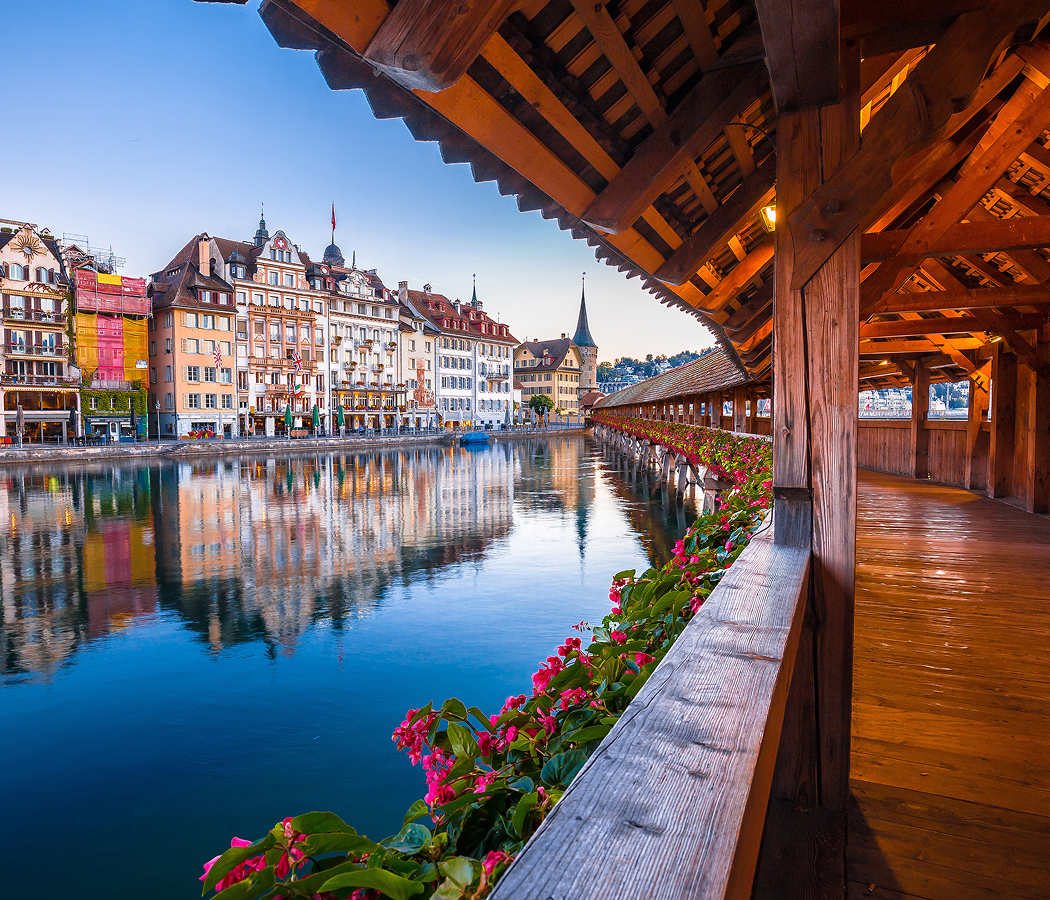
For the general public, the primary concern during these heat events is health. The Swiss Federal Office of Public Health (FOPH) consistently advises residents to remain hydrated and avoid strenuous activity during peak sunlight hours. Because many older buildings in historic cities like Lucerne were designed for insulation against the cold rather than ventilation during heatwaves, indoor temperatures can quickly reach levels that pose risks to vulnerable populations, including the elderly and those with pre-existing respiratory conditions.
Urban Planning and Climate Adaptation
As summer temperatures continue to climb, Swiss municipalities are re-evaluating urban planning strategies. The integration of more green spaces and the use of light-colored building materials are being tested as ways to mitigate the heat. According to the Federal Office for Spatial Development (ARE), sustainable urban development is now a central pillar in national efforts to adapt to a changing climate. These initiatives aim to ensure that public spaces, such as the famous waterfronts of Lucerne, remain safe and accessible even as peak temperatures trend upward.
These adjustments are part of a broader, long-term national strategy. The Swiss Confederation’s Adaptation Strategy provides a framework for cantons and cities to implement localized cooling measures, such as expanding urban forests and improving water circulation in public fountains, which serve as essential cooling hubs for both locals and visitors during the sweltering summer months.
What Happens Next for Swiss Climate Monitoring
The next major checkpoint for climate analysis in the region will be the publication of updated seasonal climate outlooks, which are released periodically by MeteoSwiss to help local governments prepare for the remainder of the summer season. These outlooks are critical for managing water resources and wildfire risks, particularly in the lower-lying cantons.
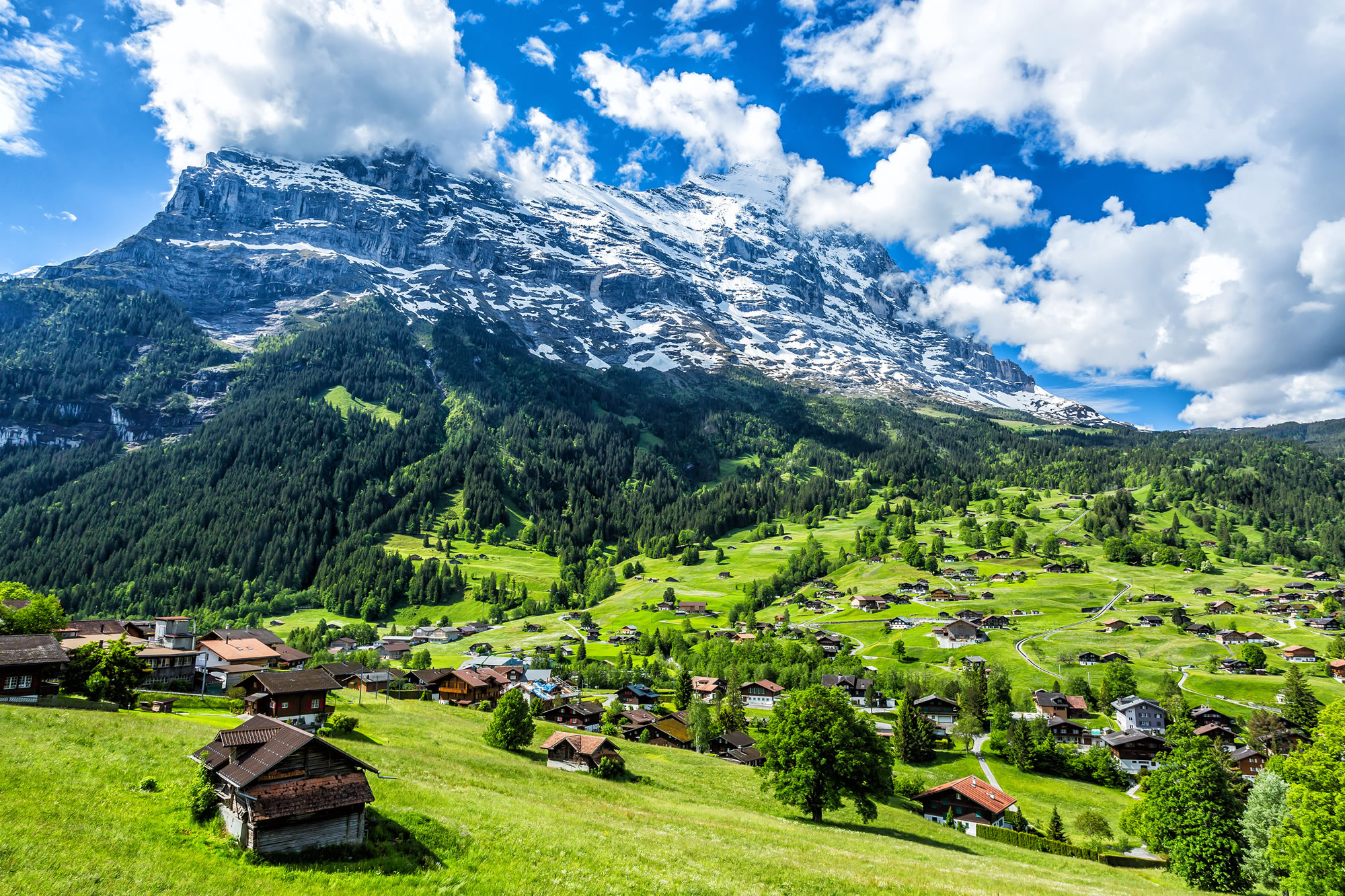
While the immediate concern is the heat, the broader societal conversation in Switzerland remains focused on long-term mitigation. The Climate and Innovation Act, which was passed by a national referendum in June 2023, commits the country to achieving net-zero greenhouse gas emissions by 2050. This legislation serves as the legislative bedrock for how the country will address the root causes of the rising temperatures currently observed by residents and visitors alike.
We invite our readers to share their experiences with changing weather patterns in their own regions in the comments section below. For the latest local alerts and safety recommendations, always consult the official Alertswiss portal.
Related reading