The Looming Diabetes Crisis in india: A Decade to Turn the Tide
India is facing a rapidly escalating diabetes epidemic,a challenge that demands urgent and strategic action. While national surveys reveal a concerning prevalence of over 11%, a deeper examination reveals a far more nuanced and alarming picture – one characterized by stark regional disparities, insufficient awareness, and evolving risk factors. This article delves into the complexities of diabetes in India, outlining the current state, the critical gaps, and a roadmap for a future were we can effectively manage and ultimately reduce the burden of this chronic disease.
The Uneven Landscape of Diabetes Prevalence
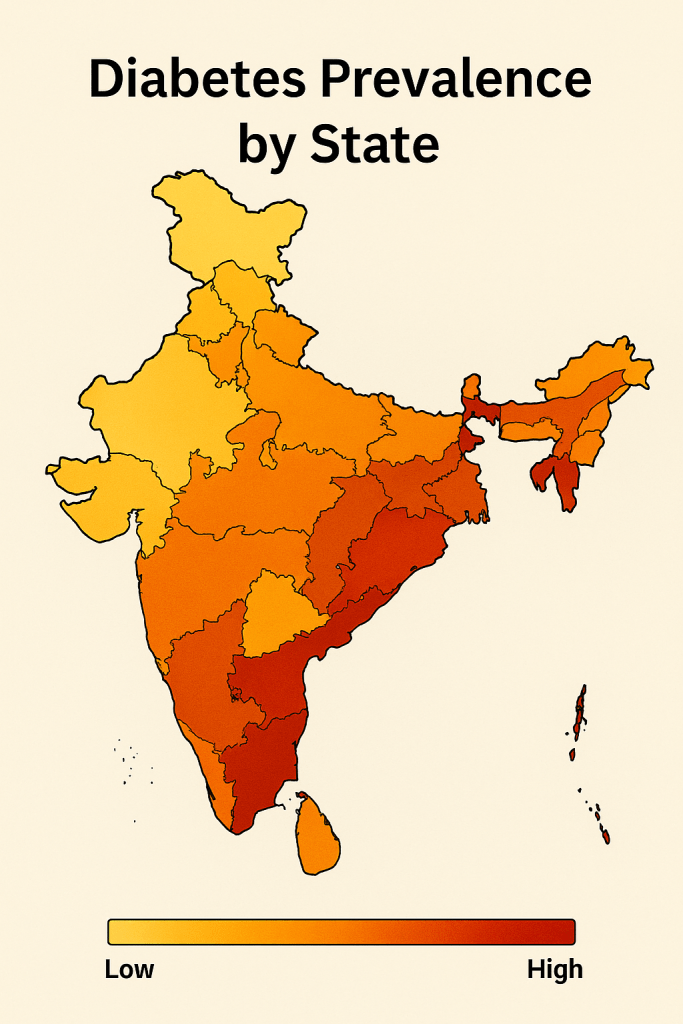
The national average masks significant variations across states. Certain regions are already grappling with exceptionally high rates, signaling a metabolic crisis in full swing. Goa leads with a prevalence of approximately 26.4%, closely followed by Puducherry at nearly 26.3% and Kerala approaching 25.5%. Even Lakshadweep exhibits alarmingly high numbers, demonstrating a concentrated vulnerability within specific geographies.
Conversely, states like Rajasthan report lower prevalence around 10%, and earlier surveys in Bihar indicated figures as low as 4.3%.However, interpreting these lower numbers as indicators of lower risk is a dangerous oversimplification. They often reflect under-diagnosis, especially in areas with limited healthcare access, delayed urbanization, and distinct demographic profiles.The reality is, millions of Indians live with diabetes unknowingly, and even among those diagnosed, achieving optimal glycemic control remains a significant hurdle.
Beyond Prevalence: A Complex Web of contributing Factors
The challenge extends beyond simply identifying those with the disease. Several factors are contributing to the accelerating crisis:
* Younger Age of Onset: We are witnessing a disturbing trend of diabetes manifesting at increasingly younger ages, placing a greater strain on individuals and healthcare systems.
* Rising Prediabetes: A substantial portion of the population is progressing towards diabetes, highlighting the need for proactive preventative measures.
* The “Thin-Fat” Indian Phenotype: Indians frequently enough exhibit higher visceral fat levels even at lower body Mass Index (BMI) values, increasing their susceptibility to insulin resistance and diabetes. This unique physiological characteristic necessitates tailored approaches to prevention and management.
* Environmental Influences: Emerging research links environmental factors, notably air pollution, to an elevated risk of developing diabetes in Indian populations, adding another layer of complexity to the problem.
A Strategic Leap Forward: India’s Path to Diabetes control
Incremental improvements are no longer sufficient. India requires a strategic leap, grounded in a deep understanding of its unique genetic and metabolic landscape. here’s how we can approach the next decade:
* Precision Prevention Based on Indian data: We must move beyond relying on Western models and invest in robust research to map Indian genetic predispositions to diabetes.This data will be crucial for developing targeted prevention strategies. (See: https://healthcare-in-india.net/public-health-2/the-deccan-famines-lingering-shadow-tracing-modern-insulin-resistance-in-southern-india/ for insights into the historical and genetic roots of insulin resistance in India).
* Technology-Driven Personalized Care: Leveraging technology is paramount. Remote monitoring, artificial intelligence (AI)-powered predictive models, wearable devices, and continuous glucose monitoring (CGM) can transform diabetes care from episodic hospital visits to continuous, personalized support.Integrating these tools with existing public health infrastructure is key to scaling effective interventions.
* A Life-Course Approach: Diabetes isn’t a mid-life crisis; it’s a lifelong journey. We need to address risk factors across all stages of life – from childhood nutrition and physical activity programs in schools to workplace wellness initiatives and policies supporting healthy aging.
* A Holistic Chronic Disease Ecosystem: Diabetes rarely exists in isolation. Its strong correlation with cardiovascular disease, kidney disease, mental health, and other chronic conditions demands a holistic, integrated approach to healthcare.
Measurement, Accountability, and Targeted Interventions
Effective diabetes control requires a shift in how we measure success. Prevalence numbers alone are insufficient. we must prioritize:
* Comprehensive Metrics: Tracking time-in-range (the percentage of time blood glucose levels are within a target range), complication rates, workforce productivity, and quality-of-life indicators will provide a more accurate picture of the disease’s impact.
* State-Specific Strategies: High-burden states like Kerala,Goa,and Puducherry require advanced models focused on complication prevention,integrated clinics,and digital monitoring. Lower-burden states like Bihar and