Millions of people worldwide live with impaired renal function without realizing it, as kidney disease symptoms frequently remain silent until advanced stages. According to the International Society of Nephrology and the International Federation of Kidney Foundations, early detection through routine screening remains a tool to prevent irreversible renal failure and reduce the global burden of chronic conditions.
As healthcare organizations mark annual global health awareness campaigns, medical professionals emphasize that routine diagnostic evaluations—such as renal blood tests and glomerular filtration rate (GFR) calculations—can identify renal impairment long before physical discomfort or severe complications arise. Understanding how the kidneys function, recognizing subtle warning signs, and managing underlying risk factors are critical steps in preserving long-term health.
Understanding the Kidneys and Their Critical Functions
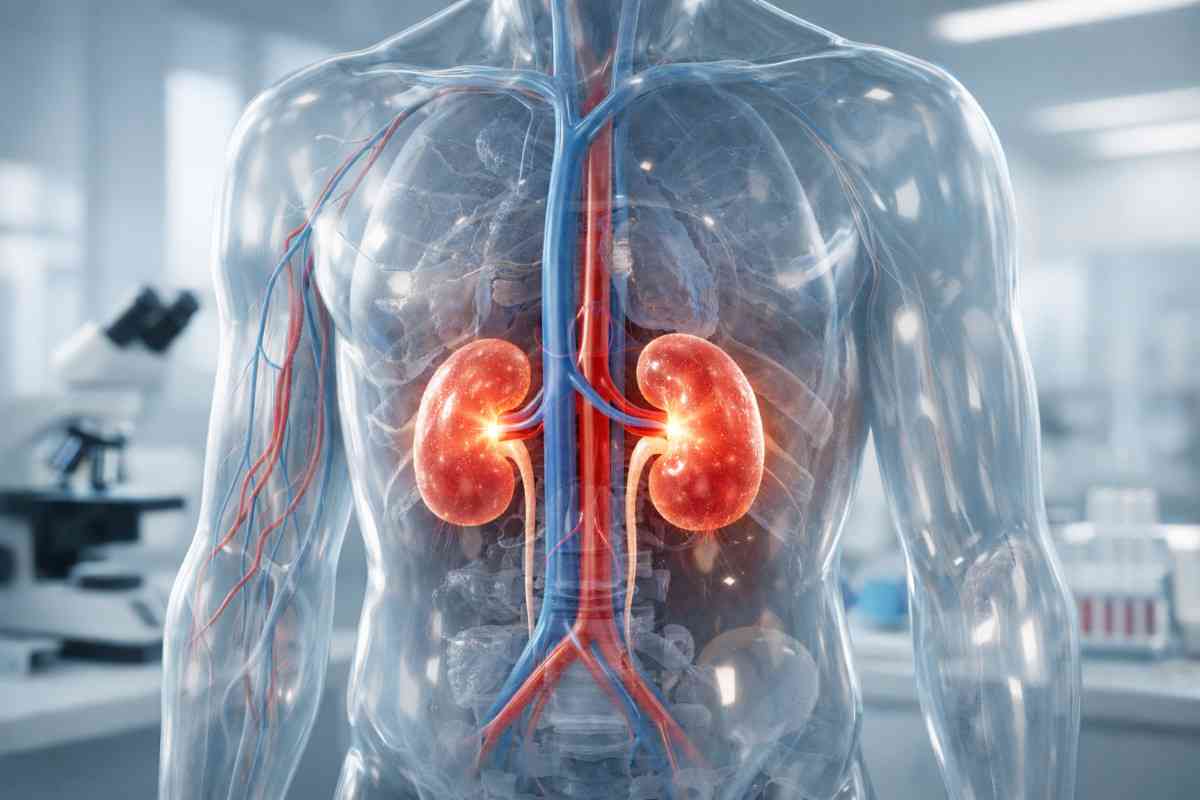
The kidneys are two bean-shaped organs positioned on either side of the spine just below the rib cage. According to clinical data, these vital organs filter approximately 50 gallons of blood every day, removing waste products, toxins, and excess fluids through urine while maintaining an internal chemical balance.
Beyond waste filtration, healthy kidneys regulate essential minerals like sodium, potassium, and calcium, which govern nerve signaling, muscle contraction, and overall fluid balance. They also release erythropoietin, a hormone that stimulates red blood cell production in the bone marrow, produce renin to help regulate blood pressure, and activate vitamin D for bone health. When renal function declines, these intricate regulatory processes falter, leading to toxin accumulation and systemic health complications.
Early Warning Signs and the Silent Nature of Kidney Damage
Chronic kidney disease is widely recognized as a silent condition because early-stage renal damage rarely triggers noticeable discomfort. As function deteriorates, however, certain subtle physical indicators may emerge. Persistent tiredness or fatigue can occur when waste products build up in the bloodstream, while fluid retention frequently causes swelling in the feet, ankles, legs, or around the eyes.
Additional indicators include changes in urination patterns—such as increased nighttime urination—and foamy or bubbly urine, which often signals excess protein leakage. In more advanced stages, patients may experience a loss of appetite, nausea, vomiting, shortness of breath due to fluid accumulation in the lungs, and high blood pressure.
Major Causes and Risk Factors for Renal Disorders
The primary drivers of chronic kidney disease globally are diabetes and high blood pressure, both of which gradually damage blood vessels in the kidneys. Additional contributing factors include inherited genetic conditions like polycystic kidney disease and repeated infections.
Public health guidelines highlight several lifestyle and demographic risk factors that elevate susceptibility to renal impairment. These include obesity, increasing age, and the prevalence of Diabetes and Hypertension.
Diagnosis and Recommended Screening Schedules
Medical professionals rely on specific diagnostic tools to evaluate renal health. A kidney function blood test measures waste buildup, and a GFR test estimates the overall filtering efficiency of the kidneys.
Prevention and Treatment Strategies
Preventing kidney disease and slowing its progression rely heavily on maintaining a healthy lifestyle. Core preventive measures include staying adequately hydrated, consuming a balanced diet, exercising regularly, and controlling Diabetes and Hypertension.
When chronic kidney disease progresses to advanced stages or end-stage renal failure, more intensive medical interventions become necessary. These include dialysis treatments and, in severe cases, kidney transplantation to restore normal biological function.
Related reading