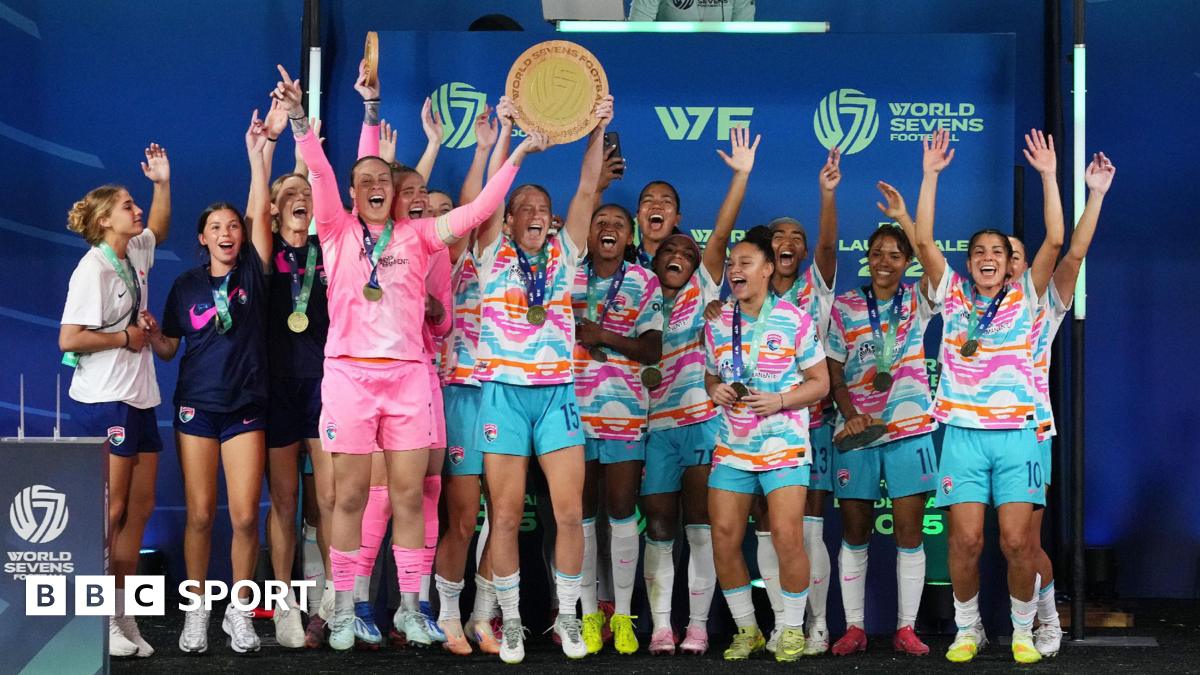
In the evolving landscape of international athletics, few formats have captured the imagination of fans and amateur players alike quite like small-sided football. While the traditional 11-a-side game remains the global standard, the rise of World Sevens football—often referred to as 7-a-side football—has carved out a significant niche, emphasizing technical proficiency, high-intensity movement, and tactical versatility. As a journalist covering the sport from Lisbon, I have seen firsthand how these specialized tournaments bridge the gap between grassroots passion and professional-grade competition.
Understanding the nuances of the seven-a-side format is essential for any sports enthusiast looking to follow the international circuit. Unlike the sprawling expanses of a standard pitch, the 7-a-side environment is condensed, forcing players to think faster and execute with greater precision. This format, which frequently appears in various independent international circuits and regional leagues, is governed by specific rules designed to keep the game fluid and engaging for spectators.
The Mechanics of 7-a-Side Competition
At its core, the game is defined by the reduction of players and the dimensions of the playing field. Most competitive 7-a-side matches are played on artificial turf, which provides a consistent surface for the rapid ball movement required in this format. The Football Association (FA) guidelines for 7-a-side football emphasize that the smaller pitch size—typically ranging from 50 to 60 yards in length—creates a high-scoring, high-tempo environment where defensive organization is just as critical as attacking flair.
The rules often mirror standard football but with key adjustments to account for the smaller player count. For instance, the absence of an offside rule in many recreational and international 7-a-side variants allows for more direct attacking play, which inherently increases the goal-scoring potential per match. Matches are generally shorter than the traditional 90-minute professional game, often consisting of two halves ranging from 20 to 25 minutes each, depending on the specific tournament regulations.
From an analytical perspective, the most successful teams in this format are those that prioritize ball retention and rapid transitions. Because there is less space to maneuver, individual tactical awareness becomes the primary differentiator between mid-table sides and championship contenders. Coaches in these leagues often focus on “triangulation,” ensuring that every player in possession has at least two passing options at all times to break down compact defensive blocks.
Global Participation and Tournament Structure
The global reach of 7-a-side football is supported by a patchwork of independent organizations and national governing bodies that host regional and international competitions. Unlike the highly centralized structure of FIFA-sanctioned events, 7-a-side football often relies on specialized bodies such as the International Socca Federation (ISF), which organizes the Socca World Cup. This tournament represents one of the most prominent stages for the format, bringing together national teams from across the globe to compete for international honors.
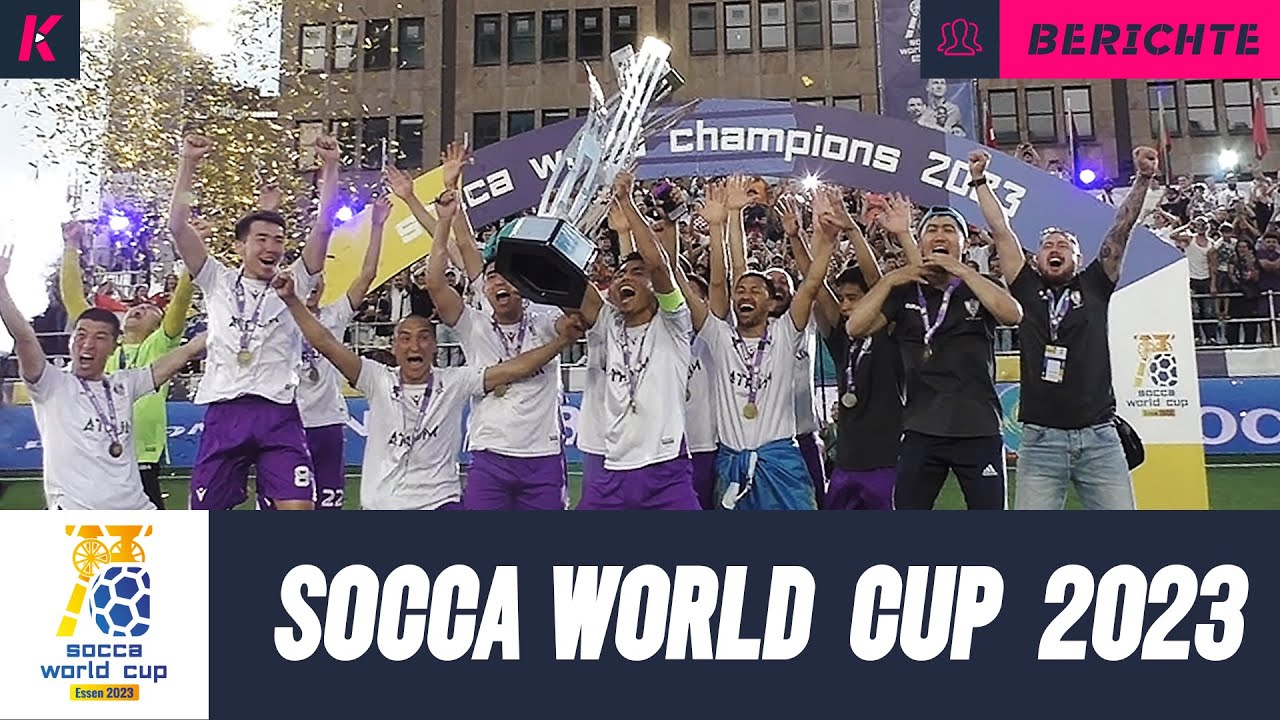
Participation in these tournaments usually requires national associations to select players through rigorous scouting and local qualification events. The competitive ecosystem is diverse, featuring former professional players looking to maintain their competitive edge alongside elite amateurs who have dedicated their careers to the nuances of small-sided play. The blend of these skill sets contributes to the high technical standard seen in recent international finals.
For those tracking the progress of these teams, the official channels of the respective governing bodies serve as the primary source for match schedules, player rosters, and live results. Because these tournaments are often held in centralized “hub” cities, fans are encouraged to monitor official tournament portals for real-time updates and highlights. The rise of streaming platforms has also allowed for wider access, with many organizations broadcasting matches directly to their global digital audiences.
Key Takeaways for Fans and Participants
If you are looking to get involved or simply want to stay updated on the latest developments in the world of 7-a-side, keep these essential points in mind:
- Format Fluidity: While the core concept is universal, specific rules—such as the use of “roll-on, roll-off” substitutions and specific foul-accumulation penalties—can vary by tournament organizer.
- Tactical Focus: Watch for teams that emphasize quick, short passing; the lack of space makes long-ball tactics significantly less effective than in the 11-a-side game.
- Official Verification: Always verify tournament legitimacy through the hosting organization’s official website to ensure you are following sanctioned events with established player safety protocols.
- Digital Engagement: Major international tournaments now utilize dedicated mobile apps and social media channels to provide live commentary and post-match analysis, which is often the most reliable way to follow the action in real-time.
The Future of Small-Sided Football
The continued growth of 7-a-side football is a testament to the sport’s accessibility and its ability to adapt to modern viewing habits. By condensing the action into a high-intensity package, the format attracts a younger, digitally native audience that values constant engagement and high-frequency action. As we look toward the next cycle of international competitions, the integration of advanced performance analytics—tracking player heat maps, sprint distances, and pass completion rates—will further professionalize the game.
For the average fan, the appeal lies in the proximity to the action. Whether you are watching a televised international final or a local community league, the 7-a-side format offers a unique view of the technical mastery that defines the beautiful game. As these circuits continue to formalize their structures, we can expect greater consistency in officiating and a more robust pipeline for talent development.
The next major updates regarding international 7-a-side fixtures and qualification rounds for the upcoming global championships are expected to be announced via the official International Socca Federation media portal in the coming months. I encourage our readers to stay tuned to these verified sources for the most accurate information on upcoming match dates and broadcast schedules. If you have questions about specific regional leagues or tactical nuances, feel free to share your thoughts in the comments section below, and I will be happy to provide further analysis.
Related reading