The landscape of modern transplantation is undergoing a profound transformation as researchers push the boundaries of xenotransplantation—the process of grafting or transplanting organs or tissues between members of different species. In a significant development for medical science, recent reports from China have detailed the successful simultaneous transplantation of genetically modified porcine organs into a human patient. As we navigate the complexities of organ shortages worldwide, this milestone underscores the rapid evolution of interspecies surgical procedures and the rigorous scientific oversight required to bring such innovations to the clinic.
For patients suffering from end-stage organ failure, the global shortage of human donor organs remains a critical barrier to survival. While traditional transplantation remains the gold standard, the integration of porcine organ transplantation—specifically utilizing organs from gene-edited pigs—is increasingly viewed as a viable, albeit experimental, bridge to address this crisis. Recent procedures involving the transplantation of a porcine liver and kidney into a single patient represent a sophisticated attempt to mimic the body’s natural physiology using non-human biological assets.
It is essential, however, to approach these developments with both optimism and clinical caution. The success of such procedures hinges on minimizing immune rejection through advanced CRISPR-Cas9 gene editing, which reduces the presence of porcine antigens that typically trigger an immediate, violent immune response in humans. As we monitor these international breakthroughs, the medical community continues to analyze the long-term viability and ethical implications of utilizing xenografts in human recipients.
Understanding Xenotransplantation and Genetic Modification
The fundamental challenge in xenotransplantation has historically been hyperacute rejection, where the human immune system identifies the foreign organ as a threat and destroys it within minutes. To overcome this, scientists utilize pigs that have been genetically modified to “humanize” their organs. By knocking out specific genes responsible for the production of alpha-gal sugars—a primary target for human antibodies—researchers can significantly extend the survival time of the graft.
According to the U.S. Food and Drug Administration (FDA), xenotransplantation presents unique risks, including the potential for cross-species transmission of porcine endogenous retroviruses. Regulatory bodies globally emphasize that such procedures must be conducted under strict institutional review board (IRB) oversight. The recent procedures reported in China are part of a broader, global research trajectory that includes high-profile cases in the United States, such as those performed at the University of Pennsylvania and NYU Langone Health, which have provided foundational data for the field.
The Clinical Significance of Multi-Organ Procedures
The simultaneous transplantation of multiple organs—such as the liver and kidney—presents a unique physiological challenge. The liver, in particular, is an immunologically complex organ. Its successful integration, even in an experimental setting, provides invaluable insights into how a human recipient’s systemic immune response interacts with multiple porcine grafts simultaneously. This multi-organ approach is intended to address complex cases of multi-system organ failure, where a patient requires comprehensive metabolic support.
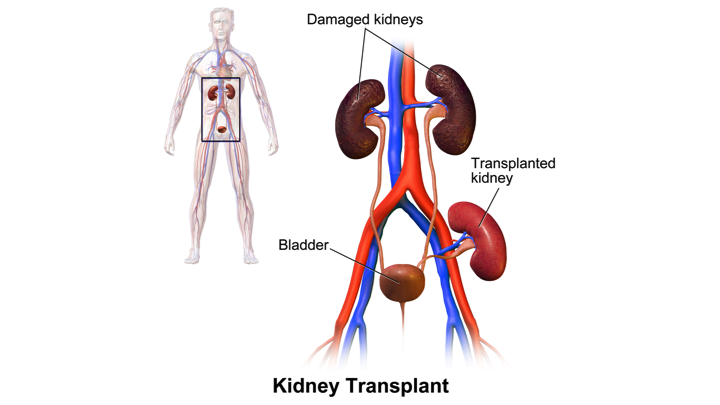
These procedures are generally performed on patients who have been declared brain-dead but are maintained on life support. This methodology, often referred to as “decedent research,” allows for the study of xenograft performance in a human environment without the immediate risks associated with living patient trials. It serves as a necessary, intermediate step before large-scale clinical trials can be authorized. The data gathered from these events are critical for refining the gene-editing protocols that will eventually inform future long-term survival studies in living humans.
Looking Toward the Future of Organ Availability
The path toward routine xenotransplantation is paved with both technological and ethical hurdles. Beyond the biological success of the graft, there are profound questions regarding informed consent, the welfare of the donor animals, and the long-term quality of life for recipients. As we look ahead, the medical community is moving toward standardized protocols for the monitoring of xenotransplant recipients, ensuring that patient safety remains the paramount priority.
The next major checkpoint for the field involves the publication of peer-reviewed data from these recent procedures in major medical journals. These reports will be subject to rigorous scrutiny by the international scientific community, including the The Transplantation Society, which provides guidelines for the ethical conduct of clinical research. We expect that as these findings are validated, they will lead to refined international standards for gene-editing and surgical techniques in xenotransplantation.
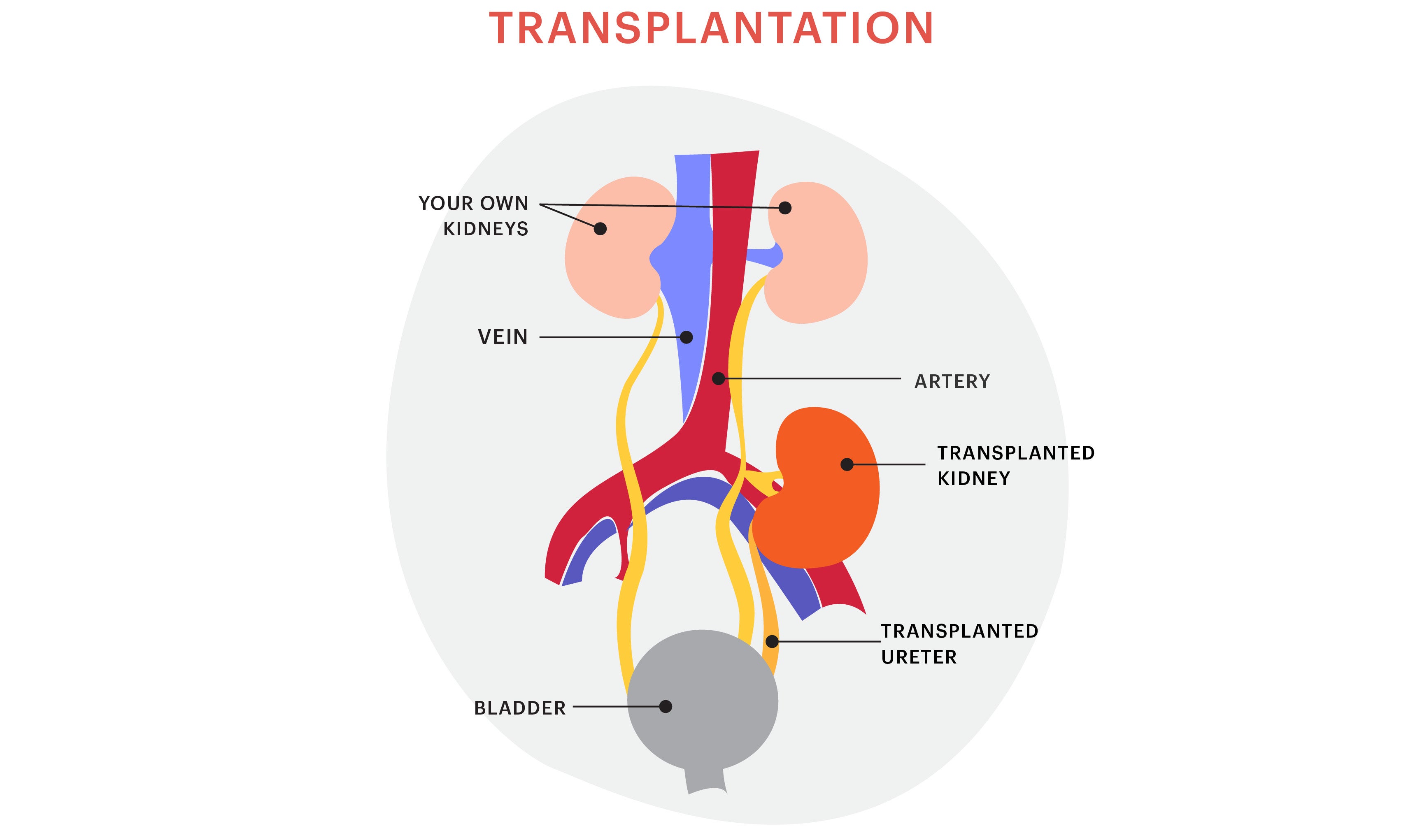
As we continue to track these advancements, we are witnessing a pivotal moment in medical history. While we are not yet at the stage of routine clinical application, the progress made in the last few years is undeniable. I invite our readers to share their thoughts and questions below. How do you view the balance between technological innovation and the ethical considerations of using animal organs for human health? Your engagement is vital as we continue this important conversation.
Disclaimer: This article is for informational purposes only and does not constitute medical advice. Always consult with a qualified healthcare professional regarding any medical concerns or conditions.
Related reading