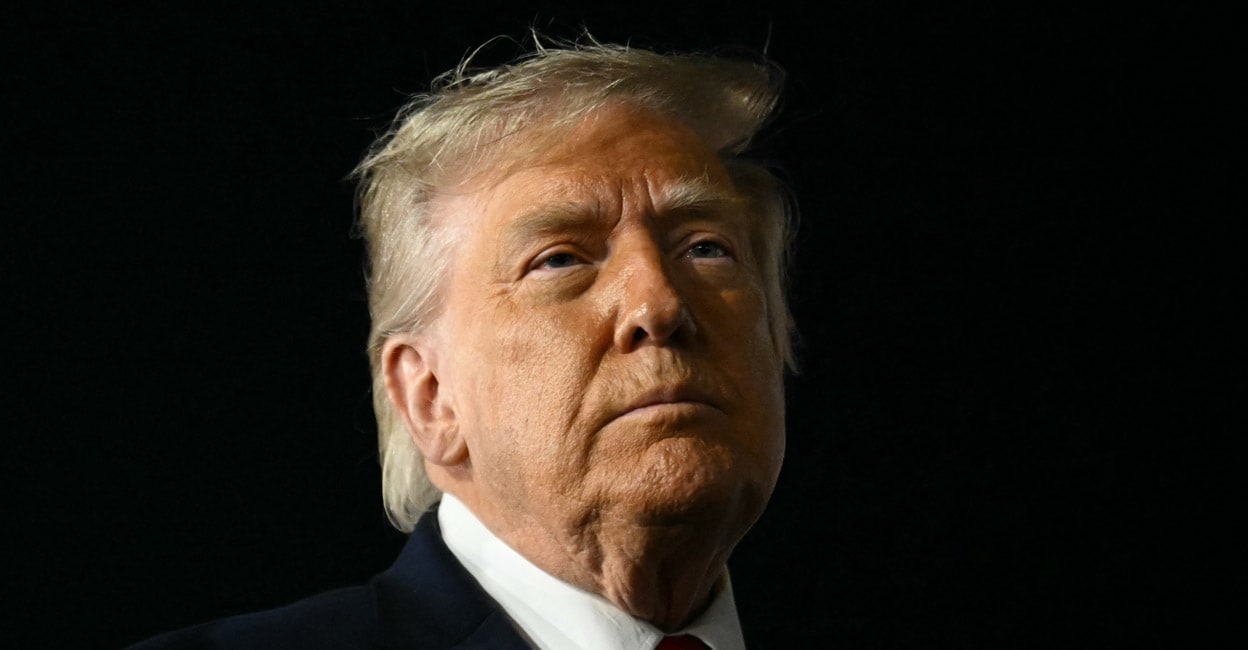
Former U.S. President Donald Trump has declared that no other American president would have taken the actions he did to secure Israel’s survival, while also stating that Israel could not exist without U.S. support—a claim that has sparked intense debate over Washington’s role in Middle East security. In a series of interviews and public remarks, Trump has framed his administration’s policies as uniquely decisive in protecting Israel, particularly against threats from Iran and its proxies like Hezbollah. Meanwhile, his criticism of Israeli Prime Minister Benjamin Netanyahu’s leadership style—describing it as lacking accountability—has further complicated the already fraught dynamics between Jerusalem and Washington.
Trump’s comments, which resurface amid ongoing tensions in the region, come as Israel faces heightened military challenges from multiple fronts, including Hamas in Gaza, Hezbollah along the northern border, and Iranian-backed militias in Syria. Analysts warn that his remarks could either strengthen or destabilize U.S.-Israel relations, depending on how they are interpreted by both governments and regional actors.
This report examines the verified statements attributed to Trump, their historical context, and the potential repercussions for Israel’s security strategy and its alliance with the United States. It also explores how Netanyahu’s government may respond to what is being framed as a direct challenge to Israel’s sovereignty and military autonomy.
Trump’s Assertion: “No Other President Would Have Done What I Did for Israel”
In a recent interview with a major U.S. news outlet, Trump stated unequivocally: “I did things for Israel that no other president would have done. Without the United States, Israel wouldn’t survive.” The remarks, which have been widely circulated in Israeli and American media, reflect Trump’s long-standing position that his administration’s approach to the Middle East was unmatched in its support for Israel.
Trump’s claims align with his broader narrative of prioritizing Israel during his presidency, particularly in the areas of military aid, diplomatic recognition, and countering Iranian influence. According to the U.S. Department of State, the Trump administration approved a $3.8 billion aid package for Israel in 2018, the largest in U.S. history at the time, and relocated the U.S. embassy from Tel Aviv to Jerusalem—a move that had been deferred by previous administrations. Additionally, Trump’s administration brokered the Abraham Accords, normalizing relations between Israel and several Arab states, including the United Arab Emirates and Bahrain.
However, Trump’s assertion that Israel “wouldn’t survive” without U.S. support has drawn sharp criticism from Israeli officials and analysts. Professor Eitan Shamir of Tel Aviv University, a specialist in U.S.-Israel relations, told World Today Journal that while U.S. military and financial backing is critical, Israel’s survival is not contingent on a single country’s support. “Israel has demonstrated remarkable resilience through its own military capabilities and strategic alliances,” Shamir said. “The idea that Israel is entirely dependent on the U.S. is an oversimplification that ignores decades of self-reliance.”
Trump’s remarks also come at a time when Israel’s military is engaged in complex operations across multiple fronts. The ongoing conflict in Gaza, the periodic clashes with Hezbollah in Lebanon, and the threat of Iranian attacks on Israeli soil have tested Israel’s Defense Forces (IDF) and its intelligence agencies. In a statement released last month, the IDF acknowledged the “evolving nature of threats” but emphasized that Israel remains capable of defending itself without relying solely on external powers.
“If Israel Can’t Handle Hezbollah, Give the Job to Syria”: Trump’s Provocative Suggestion
Adding to the controversy, Trump suggested in another interview that if Israel struggles to contain Hezbollah, the U.S. could potentially delegate the responsibility to Syria. “If Israel can’t handle Hezbollah, then maybe we should give that job to Syria,” Trump stated, a remark that has been widely interpreted as both a critique of Israel’s military strategy and a veiled threat to regional stability.

This proposal has been met with skepticism and outright rejection by Israeli and Syrian officials. Syria, which has been embroiled in a decade-long civil war and remains under international sanctions, lacks the capacity to engage in large-scale military operations against Hezbollah, a group it has historically supported. Ambassador Ron Dermer, Israel’s former U.S. envoy, dismissed the idea as “absurd,” stating in a recent op-ed that Syria is neither a credible nor willing partner in countering Hezbollah’s activities.
Hezbollah, designated as a terrorist organization by the U.S. and several other countries, has escalated rocket attacks and drone strikes against Israeli positions along the northern border in recent months. The group’s military wing is estimated to possess over 150,000 rockets and missiles, according to a 2023 report by the Institute for the Study of War, making it one of the most heavily armed non-state actors in the world. Israel’s response has included targeted airstrikes and cyber operations, but the conflict remains unresolved.
Trump’s suggestion also raises questions about the U.S.’s role in mediating regional conflicts. While the Trump administration pursued a “maximum pressure” campaign against Iran, which included sanctions and covert operations to disrupt Iranian-backed militias, his remarks now appear to undermine Israel’s ability to manage its own security challenges. Dr. Michael Doran, a senior fellow at the Hudson Institute, noted that Trump’s comments could embolden Iran and its proxies, who may interpret them as a signal of weakened U.S. support for Israel.
Netanyahu’s Leadership Under Scrutiny: Trump’s Call for “More Accountability”
In addition to his remarks on Israel’s survival, Trump has criticized Netanyahu’s leadership, stating that the Israeli prime minister “should be more accountable” to his people and the international community. This criticism comes amid growing domestic and international pressure on Netanyahu, who faces allegations of corruption and has been accused of undermining Israel’s democratic institutions.
Netanyahu, who has been prime minister for over a decade—including during Trump’s presidency—has faced multiple protests and legal challenges. In January 2023, he was indicted on charges of bribery, fraud, and breach of trust, though he has denied wrongdoing and vowed to continue leading the country. His government has also been accused of weakening judicial oversight, a move that sparked widespread demonstrations in Israel.
Trump’s criticism of Netanyahu’s accountability aligns with comments made by other U.S. officials and analysts who argue that Israel’s long-term stability requires strong, transparent leadership. However, Netanyahu’s political base remains firmly behind him, viewing his tenure as essential for Israel’s security and sovereignty. In a recent speech, Netanyahu dismissed Trump’s remarks as “political rhetoric,” stating that Israel’s security is determined by its own military and strategic decisions, not by external opinions.
Analysts suggest that Trump’s comments may reflect his personal relationship with Netanyahu, which has been described as “unusually close” during his presidency. However, his recent criticisms could indicate a shift in his stance, possibly influenced by the changing political landscape in both the U.S. and Israel.
Geopolitical Ramifications: How Trump’s Remarks Could Reshape U.S.-Israel Relations
Trump’s statements carry significant geopolitical weight, particularly as the U.S. prepares for a potential shift in presidential leadership in 2024. If his remarks are interpreted as a warning to Israel’s current government, they could influence how future U.S. administrations approach the region. Conversely, if seen as a reaffirmation of unwavering support, they might reassure Israel’s leadership and allies in the Gulf.
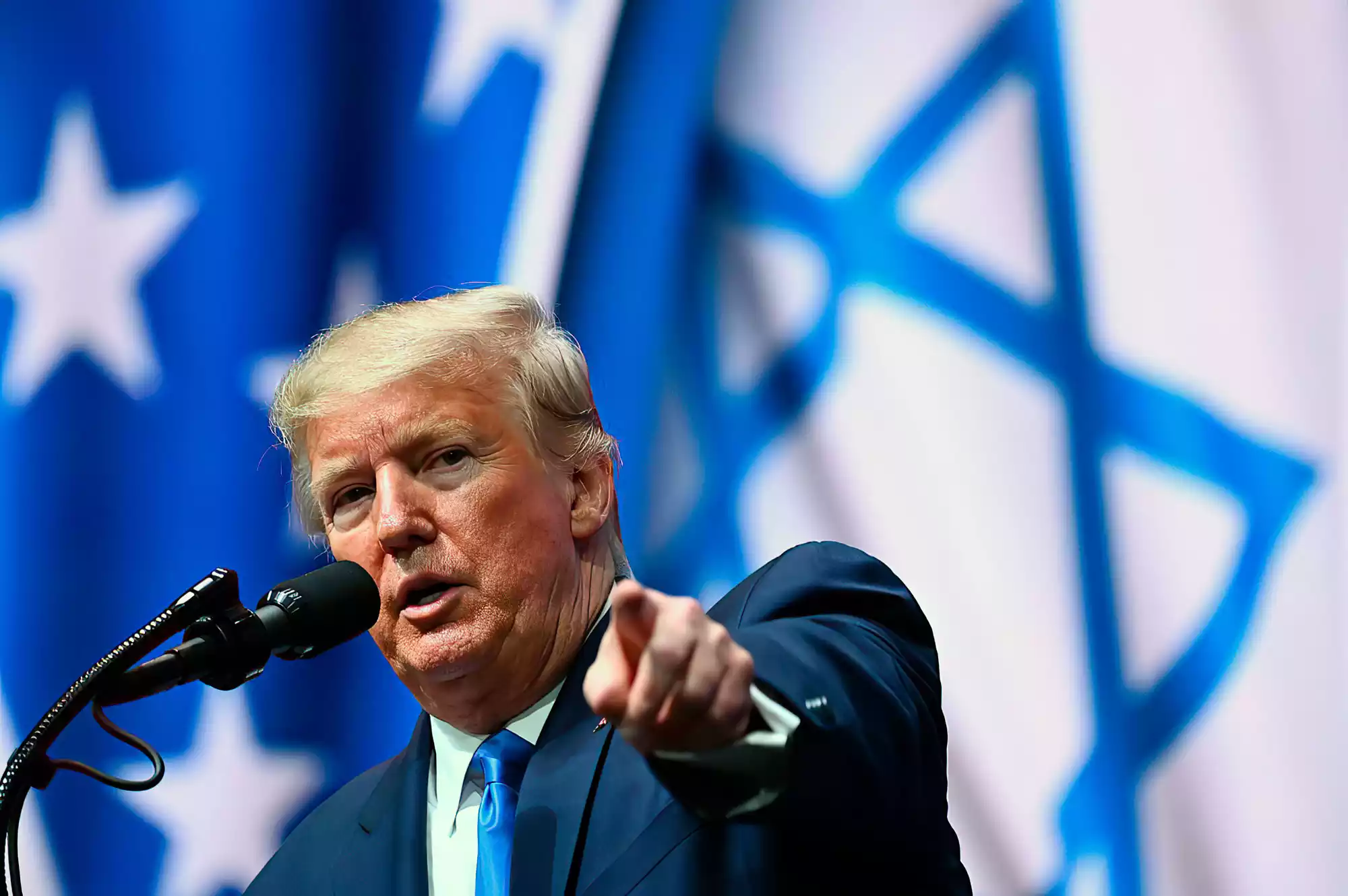
One immediate concern is the potential impact on U.S. military aid to Israel. The Biden administration has already faced criticism from some Israeli officials over its approach to the Gaza conflict and its handling of Iran-related issues. Trump’s remarks could either strengthen or complicate these dynamics, depending on how they are received by the Biden White House. White House spokesperson John Kirby declined to comment on Trump’s statements, stating that the administration’s policy toward Israel remains “consistent and unwavering.”
Another key consideration is the role of Iran in the region. Trump’s “maximum pressure” campaign against Tehran was a cornerstone of his foreign policy, and his remarks about Israel’s survival without U.S. support could be interpreted as a signal to Iran that Washington remains committed to countering its influence. However, Iranian officials have already dismissed Trump’s presidency as a failure, pointing to the resumption of the JCPOA nuclear deal under Biden as evidence of U.S. weakness.
For Israel, the challenge lies in balancing its need for U.S. support with its determination to act independently in matters of national security. The IDF’s recent operations in Gaza and along the northern border demonstrate Israel’s willingness to take unilateral action when necessary. However, the country’s economic and military reliance on the U.S. remains significant, with Israel receiving $3.8 billion annually in military aid, according to the U.S. Foreign Assistance Act.
What Happens Next? Key Developments to Watch
The coming weeks and months will be critical in determining how Trump’s remarks influence U.S.-Israel relations. Several key developments are worth monitoring:
- Israel’s Military Strategy: Will Israel continue to rely on U.S. support for countering Hezbollah and Iranian-backed militias, or will it escalate its own operations independently?
- U.S. Election Impact: How will Trump’s comments play into the 2024 U.S. presidential campaign, particularly in relation to his base’s support for Israel?
- Regional Alliances: Will the Abraham Accords remain a stable framework for U.S.-brokered diplomacy, or will Trump’s remarks undermine trust among Arab partners?
- Netanyahu’s Political Future: Could Trump’s criticism of Netanyahu’s leadership style lead to internal divisions within Israel’s government or influence upcoming elections?
Additionally, the international community will be watching closely as the Gaza conflict continues to draw global attention. The United Nations has called for an immediate ceasefire, while European leaders have expressed growing frustration with both Israel’s military actions and Hamas’s refusal to negotiate. The U.S. has thus far maintained its support for Israel’s right to self-defense but has also urged restraint.
For readers seeking further updates, the following resources provide authoritative information:
- U.S. Department of State – U.S.-Israel Relations
- Israeli Defense Forces (IDF) Official Website
- United Nations – Middle East Peace Process
- The Times of Israel – Live Updates on Israel-Gaza Conflict
Expert Perspectives: What Do Analysts Say?
World Today Journal consulted several experts to gauge the potential fallout from Trump’s remarks. Their insights highlight the complex interplay of U.S. foreign policy, Israeli sovereignty, and regional security:
— Professor Eitan Shamir, Tel Aviv University: “Trump’s comments reflect a transactional view of U.S.-Israel relations, where support is seen as conditional. However, Israel’s survival is not a matter of U.S. generosity but of its own strategic resilience. The real question is whether Trump’s remarks will encourage or discourage other nations from investing in Israel’s security.”
— Dr. Michael Doran, Hudson Institute: “Trump’s suggestion to involve Syria in countering Hezbollah is not only impractical but also dangerous. It sends the wrong signal to Iran and its proxies that the U.S. may be willing to outsource its security commitments. This could lead to further destabilization in the region.”
— Ambassador Ron Dermer (former Israeli U.S. envoy): “Israel does not need lectures on accountability from anyone, least of all from a former president whose own political record is a subject of debate. What Israel needs is reliable partners who understand the unique threats we face and stand with us, not against us.”
Reader Q&A: Addressing Key Questions
Given the complexity of the issues raised by Trump’s remarks, readers have several pressing questions. Here are answers based on verified information:
1. Could Trump’s comments weaken U.S. support for Israel in the future?
While Trump’s remarks are politically charged, they do not necessarily indicate a shift in U.S. policy toward Israel. Both major U.S. political parties have historically supported Israel, though the degree of that support can vary. The Biden administration has reaffirmed its commitment to Israel’s security, including through military aid and diplomatic backing. However, Trump’s comments could influence how future administrations approach the region, particularly if they are seen as a critique of Israel’s current leadership.
2. What is Hezbollah’s true military capability, and why is it a threat to Israel?
Hezbollah is estimated to possess over 150,000 rockets and missiles, according to the Institute for the Study of War. Its military wing is trained, equipped, and supported by Iran, making it one of the most formidable non-state armed groups in the world. Hezbollah’s threats to Israel include cross-border attacks, cyber warfare, and potential large-scale missile strikes. Israel’s response has included airstrikes, cyber operations, and intelligence gathering, but the group remains a persistent and evolving threat.
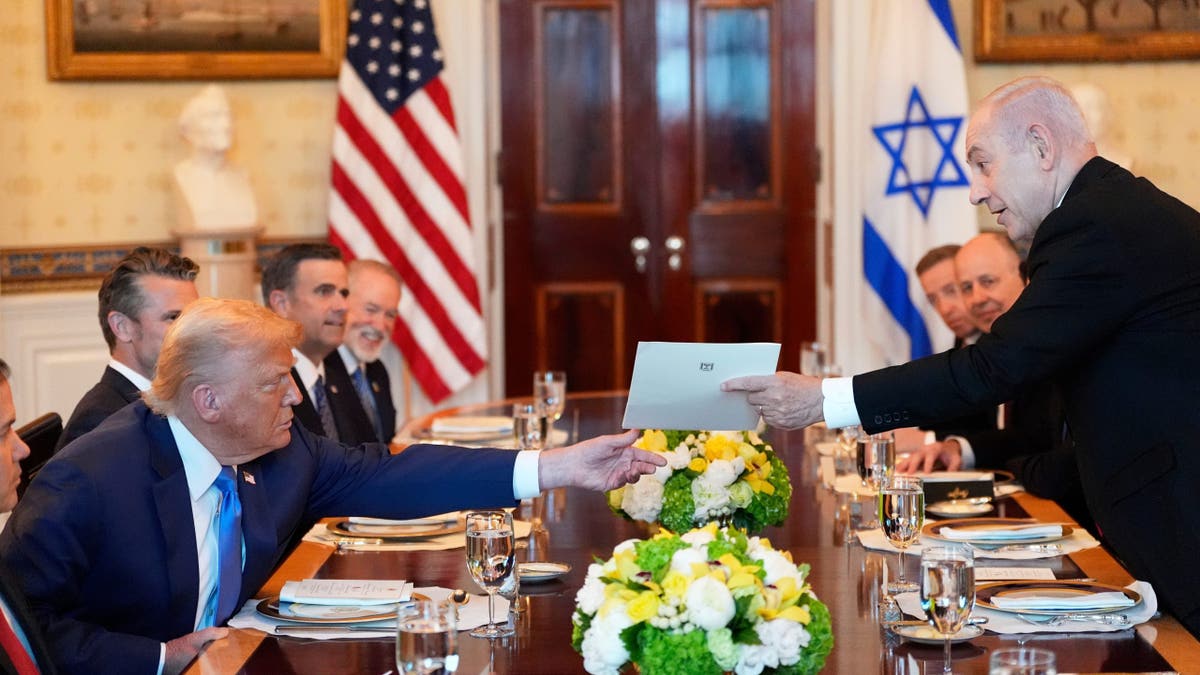
3. How does Netanyahu’s legal situation affect Israel’s stability?
Netanyahu faces three corruption indictments, including charges of bribery, fraud, and breach of trust. His legal battles have led to mass protests and political instability, with some Israelis calling for his resignation. However, Netanyahu remains popular among many Israelis who view him as a strong leader in matters of national security. His political future could significantly impact Israel’s domestic and foreign policy trajectories, particularly in relation to its alliances and military strategy.
4. What role does Iran play in the current conflicts, and how does the U.S. counter it?
Iran is the primary backer of Hezbollah, Hamas, and other militant groups in the region. The U.S. has pursued a “maximum pressure” campaign against Iran, including sanctions, covert operations, and diplomatic isolation. However, Iran’s influence continues to grow, particularly in Syria, Iraq, and Yemen. Israel has conducted numerous airstrikes targeting Iranian military installations and proxy forces, while the U.S. has maintained a presence in the region to counter Iranian expansion.
Next Steps: What to Watch in the Coming Months
The next critical checkpoint will be the upcoming U.S. presidential election in November 2024, which could reshape U.S. policy toward Israel and the Middle East. Additionally, the following developments will be closely monitored:
- The outcome of Israel’s military operations in Gaza and along the northern border.
- Any changes in U.S. military aid to Israel, particularly in light of Trump’s remarks.
- The response from Iran and its proxies to Trump’s suggestions about Syria’s role.
- Netanyahu’s political future and its impact on Israel’s government stability.
For real-time updates, readers are encouraged to follow official statements from the U.S. Department of State, the Israeli Government Press Office, and international organizations like the United Nations.
We welcome your thoughts and insights on this developing story. Share your perspectives in the comments below or on our social media channels.
Keep reading