GreenLeft (GroenLinks-PvdA) parliamentary leader Jesse Klaver is currently pursuing a strategy to exert significant political pressure on the Dutch coalition government, reportedly seeking to force cabinet members into direct negotiations regarding specific policy demands. This maneuver highlights the intensifying friction between the current governing coalition and the primary opposition bloc in the Tweede Kamer, the lower house of the Dutch parliament.
The political tension centers on the opposition’s attempt to leverage parliamentary influence to compel government ministers to address their concerns directly, rather than through traditional legislative channels. By demanding that cabinet members present themselves to address specific grievances, the opposition aims to shift the balance of power in ongoing budget and policy debates. According to reports from the Dutch political landscape, this approach is being framed as an attempt to ensure the executive branch remains accountable to the legislature’s evolving priorities.
Political Strategy and Parliamentary Leverage
The strategy employed by GroenLinks-PvdA reflects a broader trend in Dutch politics where opposition parties are increasingly utilizing procedural tools to challenge the coalition’s agenda. By requesting that ministers appear before specific committees or party offices, the opposition seeks to force public acknowledgement of their policy conditions. This tactic is designed to create a high-stakes environment where the government must either concede to certain demands or face persistent parliamentary obstruction.
Observers of the Dutch political system note that such efforts are common when there is a significant ideological divide between the ruling coalition and the largest opposition parties. The coalition, led by Prime Minister Dick Schoof, has faced challenges in maintaining legislative momentum, particularly as it navigates complex issues related to migration, housing, and fiscal policy. As noted by the official coalition agreement documentation, the government’s stated goals remain focused on long-term stability, yet the day-to-day reality in the Tweede Kamer often involves intense procedural maneuvering.
The Role of the Opposition
For Jesse Klaver and his allies, the objective is to ensure that the opposition’s voice is not sidelined during the formulation of major national policies. This includes pushing for more robust climate action and social welfare protections, areas where the current coalition’s policies differ substantially from the platform of the GroenLinks-PvdA alliance. The use of parliamentary debates and formal requests for cabinet attendance serves as a mechanism to keep these issues at the forefront of the public and political agenda.
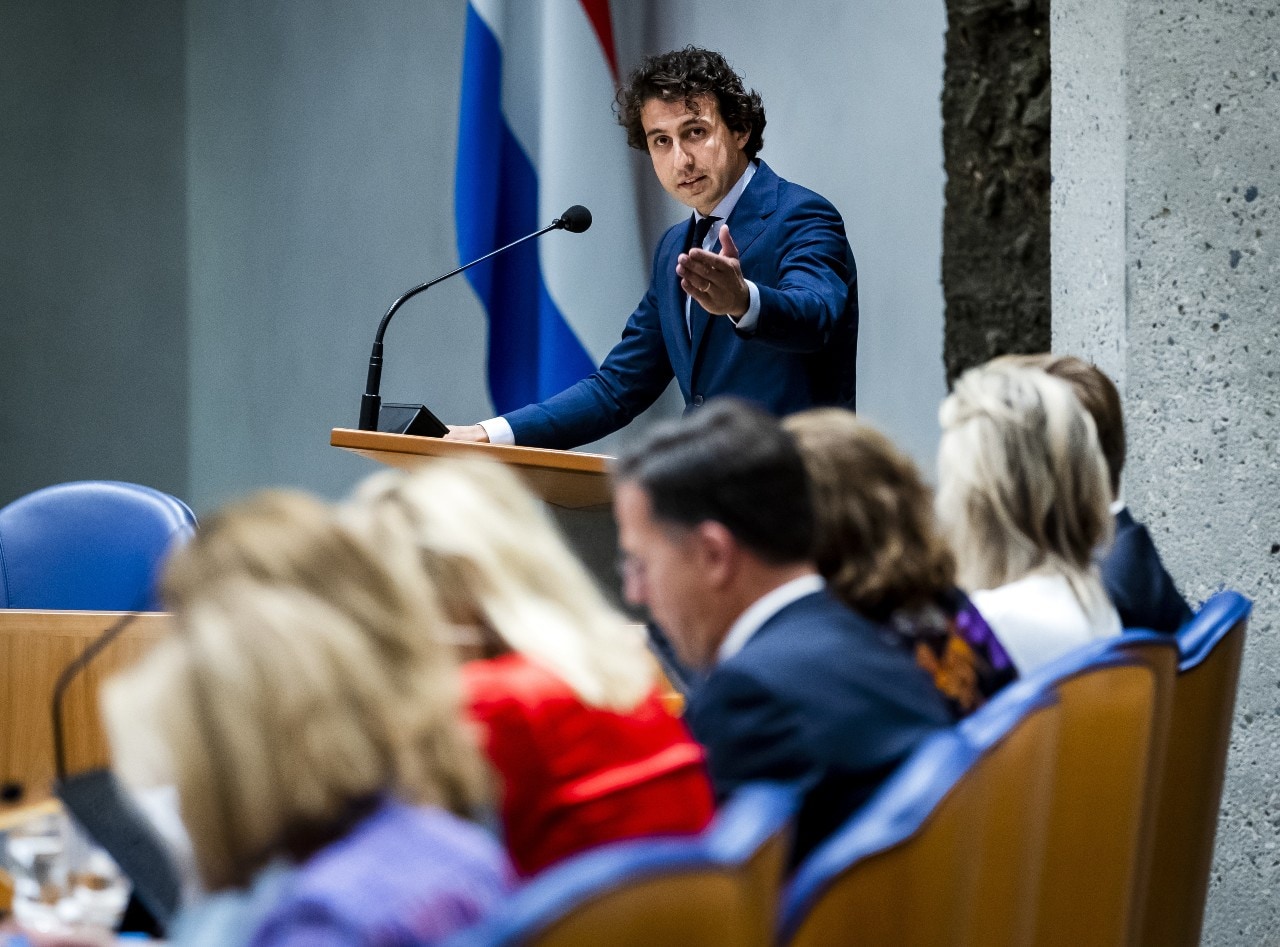
The effectiveness of this strategy remains a subject of debate. While it keeps the government on the defensive, it also risks hardening positions, potentially leading to gridlock. The Tweede Kamer provides the formal structure for these interactions, where the rules of procedure govern how and when ministers are called to account. Legislative experts often emphasize that while these confrontations are part of the democratic process, they require a degree of cooperation to pass essential legislation, such as the annual national budget.
What Happens Next
The immediate future of this political standoff will likely be determined during the upcoming series of parliamentary debates scheduled for the autumn session. The government is expected to present its legislative priorities, at which point the opposition will have the opportunity to either engage in negotiation or continue its strategy of pressure. The interaction between the cabinet and the opposition will be critical in determining whether the government can successfully navigate its current legislative agenda without significant delays.
As of now, there is no official confirmation of a breakthrough in these specific negotiations. Both sides continue to emphasize their commitment to their respective mandates, leaving the political atmosphere in The Hague volatile. Citizens and stakeholders are advised to monitor official updates from the Government of the Netherlands for the latest information on legislative proceedings and cabinet decisions.

The ongoing tension serves as a reminder of the complexities inherent in the Dutch parliamentary system, where consensus-building remains a fundamental, albeit often difficult, necessity. Whether this pressure tactic leads to policy concessions or further polarization will become clearer as the legislative calendar progresses through the end of the year.
We invite our readers to share their perspectives on these developments in the comments section below. How do you view the role of the opposition in the current political climate? Join the conversation and stay tuned for further updates as this story continues to unfold.
Worth a look