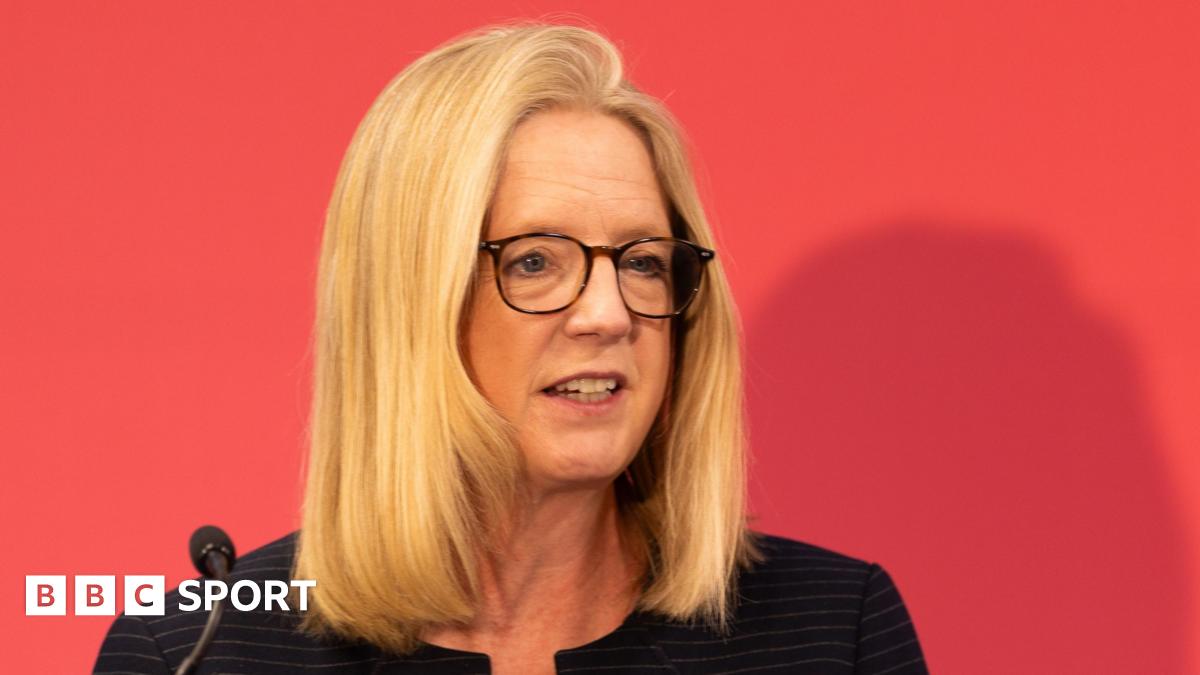
Welsh Rugby Union (WRU) chief executive Abi Tierney has issued a stark warning that further delays to the restructuring of the professional game will cause Wales to fall further behind its international competitors. Speaking at an extraordinary general meeting (EGM) held at Cardiff’s Principality Stadium on April 13, 2026, Tierney emphasized the urgency of implementing controversial proposals designed to put the sport on a sustainable footing according to reports from the EGM.
At the heart of the conflict is the WRU’s plan to reduce the number of professional men’s sides from four to three. This proposal has sparked significant backlash from politicians and supporters, yet Tierney remains steadfast in her belief that the move is necessary for the long-term health of the game. Despite the friction, the union intends to push forward with the cull, although specific agreements on how the reduction will be executed have not yet been reached with the existing professional entities: Cardiff, Ospreys, Scarlets, and Dragons.
The current strategy envisions a professional landscape consisting of one side in Cardiff, one in the east, and one in the west. This geographic mandate suggests a potential decision will be required between the Ospreys and the Scarlets to determine which side remains. The WRU has explored plans to sell Cardiff to the owners of the Ospreys, though further details on this specific transaction were not provided during the most recent three-hour EGM as of April 13, 2026.
Governance Turmoil and Leadership Changes
The road to restructuring has been marked by intense internal instability. The Central Glamorgan Rugby Union (CGRU) successfully secured the necessary 10% backing from Welsh clubs to call the EGM, initially proposing three major motions. These included a vote of no-confidence in WRU chair Richard Collier-Keywood and Professional Rugby Board (PRB) chair Malcolm Wall, as well as proposed changes to the governance and election process of the four council WRU members who sit on the governing body’s board.

However, the landscape shifted before the motions could be voted upon. It was announced that both Richard Collier-Keywood and Malcolm Wall would be leaving their respective roles. Malcolm Wall, the former Harlequins chairman, has been replaced on an interim basis by Marianne Okland, while the process to find a permanent replacement for Collier-Keywood has commenced. Following these departures, the CGRU informed clubs that it would withdraw its motions, believing the EGM should have been cancelled on April 13, 2026.
Abi Tierney’s Resolve Amid Personal Hardship
Abi Tierney, who became the first female WRU chief executive in January 2024, has faced immense personal and professional pressure. In March 2026, Tierney publicly vowed that she would not quit her role, stating her desire to see the professional game proposals through to completion. Her commitment comes after a period of significant personal struggle; Tierney took abandon at the end of 2025 to undergo cancer treatment, beginning a phased return to work in November 2025 per WRU official communications.
Beyond her health battles, Tierney has been the target of personal abuse and calls for her resignation. She has specifically noted the difficulty of the role, questioning herself daily on whether she is doing the right thing, but ultimately concluding that her love for Welsh rugby and the necessity of the changes outweigh the hardships. Tierney argued that replacing her now would only result in further delays to the essential sustainability plans as stated on March 10, 2026.
Legal Challenges and External Pressure
The WRU’s vision for a three-team professional structure is not only facing internal resistance but too legal hurdles. Swansea Council has initiated legal action, citing a perceived threat to the existence of the Ospreys. This legal challenge highlights the deep-seated anxiety among regional stakeholders regarding the potential loss of professional rugby in certain areas of Wales.
The political climate is similarly volatile. The Senedd chair previously suggested that the WRU had lost the argument regarding its plans, reflecting a broader lack of political consensus on the union’s direction. Despite this, Tierney maintains that the courage to make difficult decisions now is the only way to ensure the professional game does not fall further behind its peers.
Key Restructuring Details
| Current State | Proposed State | Geographic Target |
|---|---|---|
| Four Men’s Professional Sides | Three Men’s Professional Sides | One in Cardiff, one in the East, one in the West |
As the WRU moves forward, the primary focus remains the resolution of which professional sides will survive the cull and the finalization of the governance structure following the departures of the chair and the PRB chair. The union continues to operate under the belief that a leaner, more sustainable professional tier is the only viable path forward for Welsh rugby.
The next phase of this process will involve the formal appointment of a new WRU chair to replace Richard Collier-Keywood and continued negotiations with the professional sides to determine the final structure of the three-team model.
We invite our readers to share their thoughts on the WRU’s restructuring plans in the comments section below.
- Irish Team Updates for European Athletics Championships in Birmingham
- Toronto Blue Jays Trade Deadline Analysis: Two Opposite Paths Explained
- Coco Gauff Does Not Expect to Play Professional Tennis into Her 40s (archyworldys.com)
- Rennie: Toughest Rugby Tour Ever Due to Grueling Schedule (archynewsy.com)