
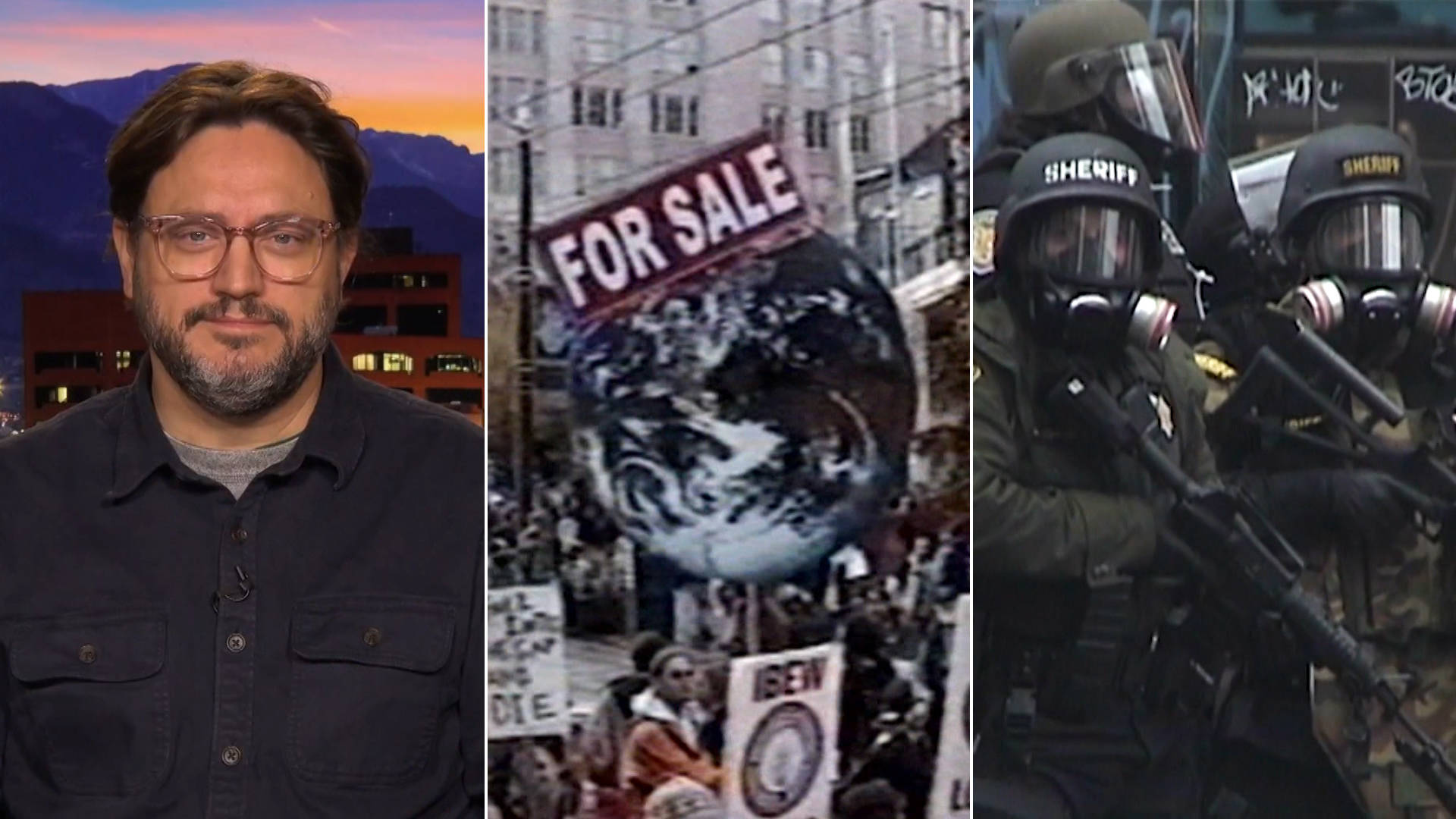
the Seattle WTO Protests: A Turning Point in the Fight Against Corporate-Driven Trade
Twenty-six years ago, the streets of Seattle erupted in protest during the 1999 World Trade Association (WTO) Ministerial Conference. These demonstrations weren’t simply about opposing free trade; they exposed a far more complex reality: a system of “corporate-managed trade” that prioritized profit over people and the planet. Today,as protests flare up again – from Starbucks boycotts to demonstrations at the Empire state Building – it’s crucial to understand the legacy of Seattle and how it continues to shape the global fight for economic justice.
Beyond “Free Trade”: The Rise of Corporate Influence
for decades,”free trade” agreements were touted as engines of economic growth. However, consumer advocate Ralph Nader argues that these agreements weren’t truly free. Rather, they were designed to dismantle consumer, labour, and environmental protections, labeling them as “nontariff trade barriers.”
This meant corporations could operate wiht fewer regulations, driving down costs and maximizing profits – often at the expense of workers, communities, and the environment. Agreements like NAFTA and subsequent WTO rulings actively enforced this model. The Seattle protests were a direct response to this perceived power imbalance.
* The Core Issue: Protesters argued that trade agreements were being used to undermine democratic processes and prioritize corporate interests.
* A Shift in Viewpoint: The demonstrations challenged the narrative of “free trade” and exposed the hidden agenda of corporate globalization.
Seattle’s Impact: A Crack in the System
The scale and intensity of the Seattle protests were unprecedented.They disrupted the WTO meetings and brought the issue of corporate trade dominance into the mainstream. This disruption had a ripple effect.
It sparked a change in Congress,eventually leading to resistance against even more expansive trade deals like the Trans-Pacific Partnership (TPP). While Donald Trump later capitalized on this sentiment, the groundwork was laid years earlier by activists and concerned citizens.
The Starbucks Symbol: A Microcosm of the Larger Conflict
The targeting of Starbucks’ flagship store during the protests highlighted the perceived hypocrisy of corporations claiming a “corporate conscience” while benefiting from a system that exploited workers and resources.Then-CEO Howard Schultz expressed confusion over the protests, stating the company had “tried to develop a corporate conscience.”
Though, protesters saw Starbucks as a symbol of the very globalization they were fighting against – a company profiting from a system that frequently enough harmed coffee-growing communities. This incident underscores the growing distrust of corporate social obligation initiatives perceived as superficial.
Echoes of Seattle Today
The issues that fueled the Seattle protests remain strikingly relevant today. Recent demonstrations targeting Starbucks and other corporations demonstrate a renewed focus on corporate accountability.
The concerns about economic inequality, worker exploitation, and environmental degradation are as pressing as ever. As Ian bell, director of the documentary WTO/99, notes, the movements galvanizing youth today share roots with the activism of 26 years ago.
* Renewed activism: Protests are a sign that people are demanding systemic change.
* A Call for Accountability: There’s a growing expectation that corporations will be held responsible for their impact on society and the environment.
* The Power of Collective Action: The Seattle protests demonstrated the potential for collective action to challenge powerful institutions.
Ultimately, the legacy of Seattle is a reminder that the fight for a just and lasting global economy is ongoing. It’s a call to action for you to stay informed, engage in advocacy, and demand that trade policies serve the interests of people and the planet, not just corporate profits.
Further exploration:
* Watch the documentary WTO/99 to gain a deeper understanding of the events in Seattle.
* Support organizations working to promote fair trade and corporate accountability.
* Engage in conversations with your elected officials about trade policy.





