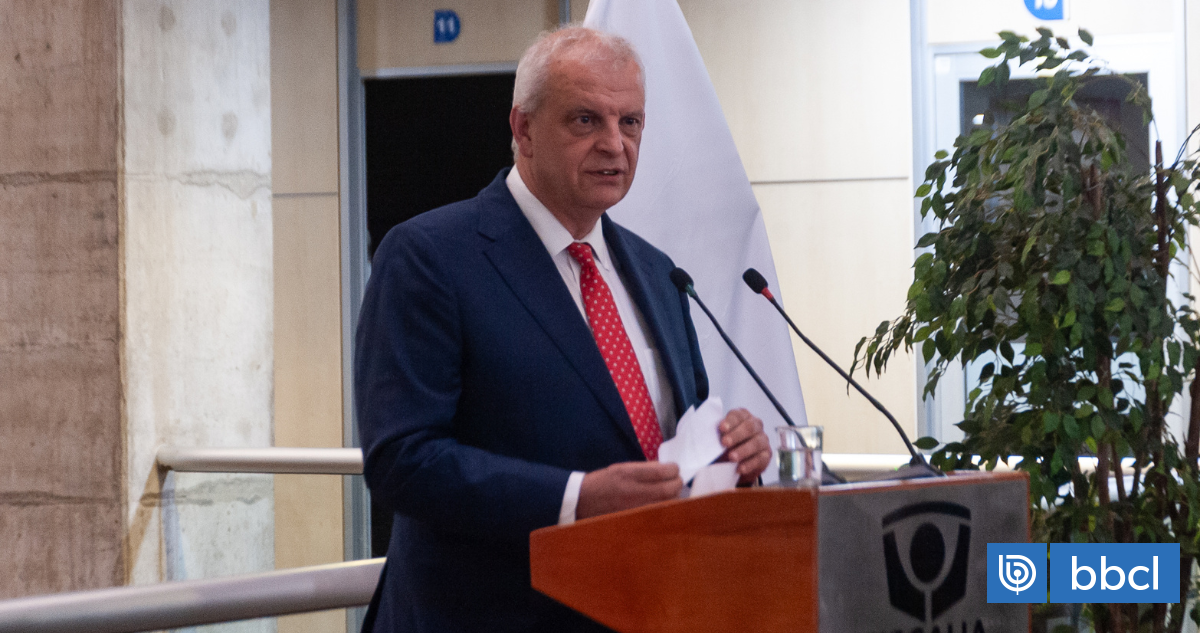
The return of Xavier Armendáriz to his position at the Ministerio Público has reignited a long-standing debate in Chile regarding the “silla musical”—or musical chairs—phenomenon within the nation’s judicial and prosecutorial institutions. This recurring cycle of personnel movement between senior public roles and private sector or academic positions continues to draw scrutiny from legal analysts and civil society groups regarding potential conflicts of interest and the concentration of institutional power.
Xavier Armendáriz, who previously served as the Regional Prosecutor for the Metropolitan Center-North region, has resumed his duties following a period of transition, a move that critics argue underscores the insular nature of the country’s legal elite. According to reports from the Ministerio Público de Chile, these leadership rotations are governed by established administrative statutes, yet the frequency with which high-ranking officials exit and re-enter the public sphere has prompted renewed calls for stricter regulation of cooling-off periods for senior legal authorities.
Understanding the “Silla Musical” in the Chilean Judiciary
The term “silla musical” refers to the perceived practice where a small circle of legal professionals rotate between influential roles in the Public Prosecutor’s Office, the judiciary, and high-level government advisory positions. This structural pattern raises questions about the independence of the Ministerio Público, an institution tasked with directing investigations and exercising public criminal action with autonomy. Critics, including various legal scholars and transparency advocates, contend that these movements can create “revolving door” scenarios that potentially compromise the impartiality required in high-stakes criminal investigations.
However, proponents of the current system argue that the movement of experienced prosecutors is essential for maintaining a high level of technical expertise across different levels of the justice system. The legal framework surrounding these appointments is codified under the Organic Constitutional Law of the Public Ministry, which dictates the requirements for the selection and reappointment of regional prosecutors. Despite these legal safeguards, the public perception of the “silla musical” remains a significant factor in debates concerning institutional trust and the perceived lack of renewal within the ranks of the nation’s top legal officials.
Impact on High-Profile Investigations
The reappointment of prominent figures like Armendáriz is often viewed through the lens of ongoing, sensitive investigations. Because Regional Prosecutors hold significant discretion over which cases are prioritized and how resources are allocated, their career trajectories are closely watched by both political actors and the media. The return of a seasoned official to a key post can be interpreted as a signal of continuity, or alternatively, as a barrier to the entry of new perspectives that might challenge established investigative methodologies.
According to the Contraloría General de la República, which monitors the legality of administrative acts, the movement of public officials must adhere strictly to ethics laws designed to prevent conflicts of interest. Nevertheless, the debate persists because the “silla musical” is not necessarily a violation of the letter of the law, but rather a practice that many argue violates the spirit of institutional renewal and accountability. This tension between technical expertise and the need for public confidence remains a central challenge for the administration of justice in Chile.
What Happens Next for the Ministerio Público
The conversation surrounding personnel movements is expected to intensify as the Poder Judicial and the Public Ministry face increasing pressure to modernize their internal governance structures. Observers are currently looking toward upcoming legislative sessions where potential reforms to the appointment process for high-ranking prosecutors may be discussed. These reforms could potentially include more rigorous transparency requirements regarding the professional history of candidates and expanded cooling-off periods to mitigate the impact of the “silla musical” phenomenon.
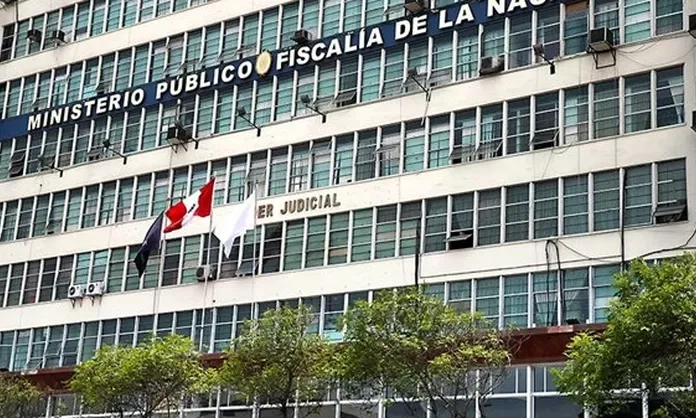
For the public and stakeholders, the next significant checkpoint will be the release of the annual institutional performance reports from the Ministerio Público, which often provide details on personnel management and organizational strategy. As the debate continues, transparency regarding the criteria for these appointments remains a priority for those advocating for a more robust and independent justice system. Readers interested in tracking these developments can access the official portals of the Fiscalía Nacional to monitor public statements and upcoming administrative updates.
We invite our readers to share their perspectives on this issue in the comments section below. How do you believe the rotation of senior legal officials impacts public trust in the justice system? Join the conversation and stay informed with the latest updates from the World Today Journal.
Related reading
- Too Tired to Play: Why Adult Gamers Have High-End PCs but No Time for Games
- Onyx High Roller Series: Italo Modena Shines in the $25K Main Event at Cyprus
- Mafia Concerns in Partinico: Return of Leonardo Vitale Sparks Fear of Past Violence (archynewsy.com)
- Brad Pitt Breaks Seven-Year Sobriety, Sparks Addiction Expert Debate (time.news)