
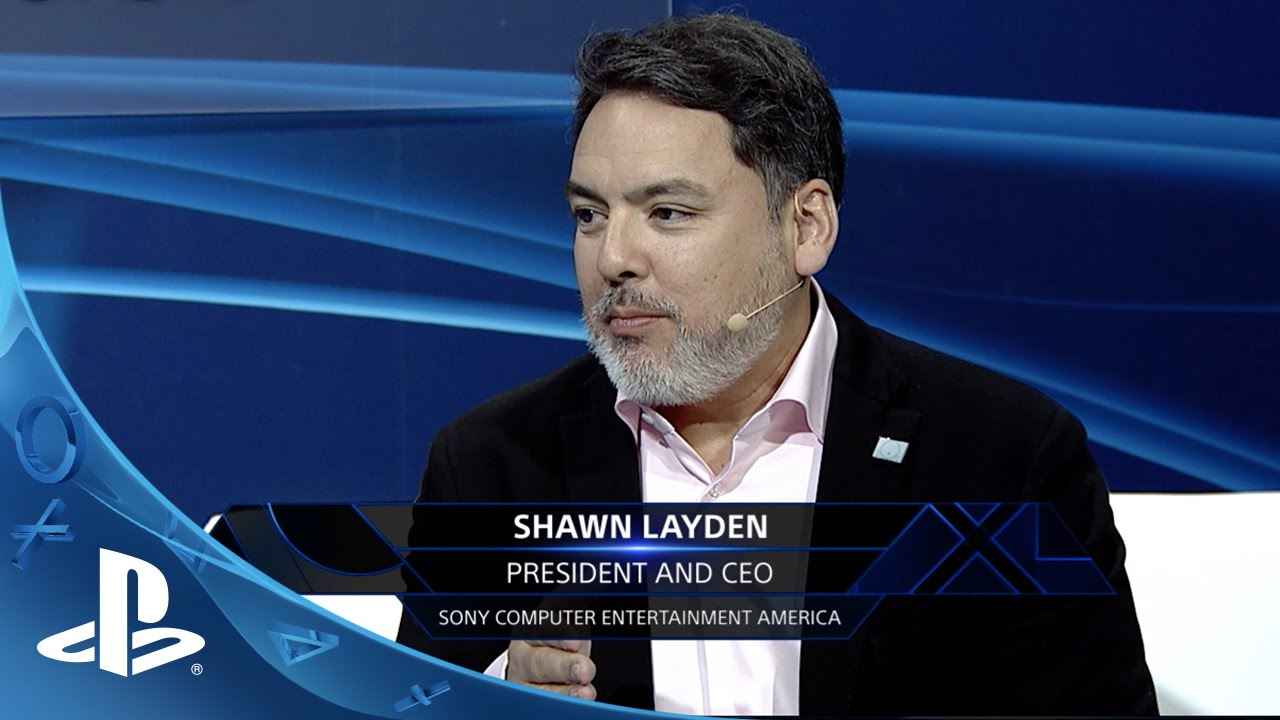
Shawn Layden, the former chairman of Sony Interactive Entertainment Worldwide Studios, has publicly suggested that the current strategic direction of Xbox indicates a fundamental misunderstanding of the gaming industry. Layden’s remarks, delivered during recent industry discourse, highlight growing friction regarding Microsoft’s multi-platform approach and its impact on the long-term health of the console market.
As the gaming landscape shifts toward subscription models and cloud-based distribution, industry veterans are debating the sustainability of traditional hardware-centric business models. Layden’s critique specifically targets the perceived erosion of platform exclusivity, a strategy that has historically defined the competition between PlayStation and Xbox. According to industry analysis from GamesIndustry.biz, the consolidation of major publishers and the move toward platform-agnostic software are creating significant tension for legacy platform holders.
The Shift in Xbox Strategy
Microsoft has increasingly pivoted toward a service-led business model, headlined by the expansion of Xbox Game Pass and the release of several first-party titles on competing platforms. This strategy represents a departure from the traditional “walled garden” approach that characterized the industry for decades. While Microsoft leadership has framed this as a necessary evolution to reach a wider audience, critics argue it devalues the hardware ecosystem.

The transition is not without precedent. As noted in reporting from The Verge, Microsoft’s decision to bring titles such as Hi-Fi Rush and Sea of Thieves to rival consoles marked a significant turning point in the company’s hardware-plus-software philosophy. This move has prompted internal and external observers to question whether Microsoft is prioritizing short-term revenue growth over the creation of a distinct identity for the Xbox brand.
Industry Perspectives on Platform Exclusivity
The concept of exclusivity remains a polarizing topic. Proponents of the traditional model, including many former console executives, argue that exclusive titles are essential for driving hardware sales and establishing platform loyalty. Without these “system sellers,” they contend that the console market risks becoming a commodity-based business where software performance on PC or other services outweighs the value of proprietary hardware.
Conversely, some market analysts argue that the industry is undergoing a structural change where the “console war” is becoming obsolete. Data from Newzoo’s 2024 Global Games Market Report indicates that the total revenue for the games market reached $183.9 billion in 2023, with a significant portion of growth driven by mobile and cross-platform services rather than dedicated console hardware. This suggests that while Layden’s concerns reflect a traditionalist view, the market is currently rewarding companies that prioritize broad accessibility over platform-bound incentives.
Evaluating the Long-Term Impact
The core of the criticism leveled at Xbox is that by abandoning the exclusivity model, the company may be inadvertently undermining the value of the Xbox console itself. If consumers can play the same games on a PlayStation or a PC, the motivation to purchase an Xbox Series X or S diminishes. This logic assumes that hardware sales remain the primary metric of success, a point that Microsoft has challenged by highlighting the growth of its user base across mobile devices and cloud platforms.
According to Microsoft’s Fiscal Year 2024 Third Quarter earnings report, the company continues to see growth in its gaming division, though it has noted fluctuations in hardware revenue. The company’s focus remains on expanding the reach of its intellectual property, a strategy that seeks to decouple software success from the limitations of hardware adoption rates.
What Happens Next
The industry is now waiting to see how the next generation of hardware will be positioned by major players. With rumors of future hardware iterations from both Sony and Microsoft, the upcoming fiscal cycles will be critical in determining whether the “platform-agnostic” approach yields sustainable profit margins or leads to a decline in hardware engagement.
Market observers expect further clarity on these strategies during the next round of earnings calls and major industry showcases, such as Gamescom or future developer conferences. As the market continues to evolve, the debate over whether software should be tied to specific hardware or treated as a universal service will likely remain a central theme for investors and fans alike. We invite readers to share their thoughts on the future of console gaming in the comments section below.
Worth a look