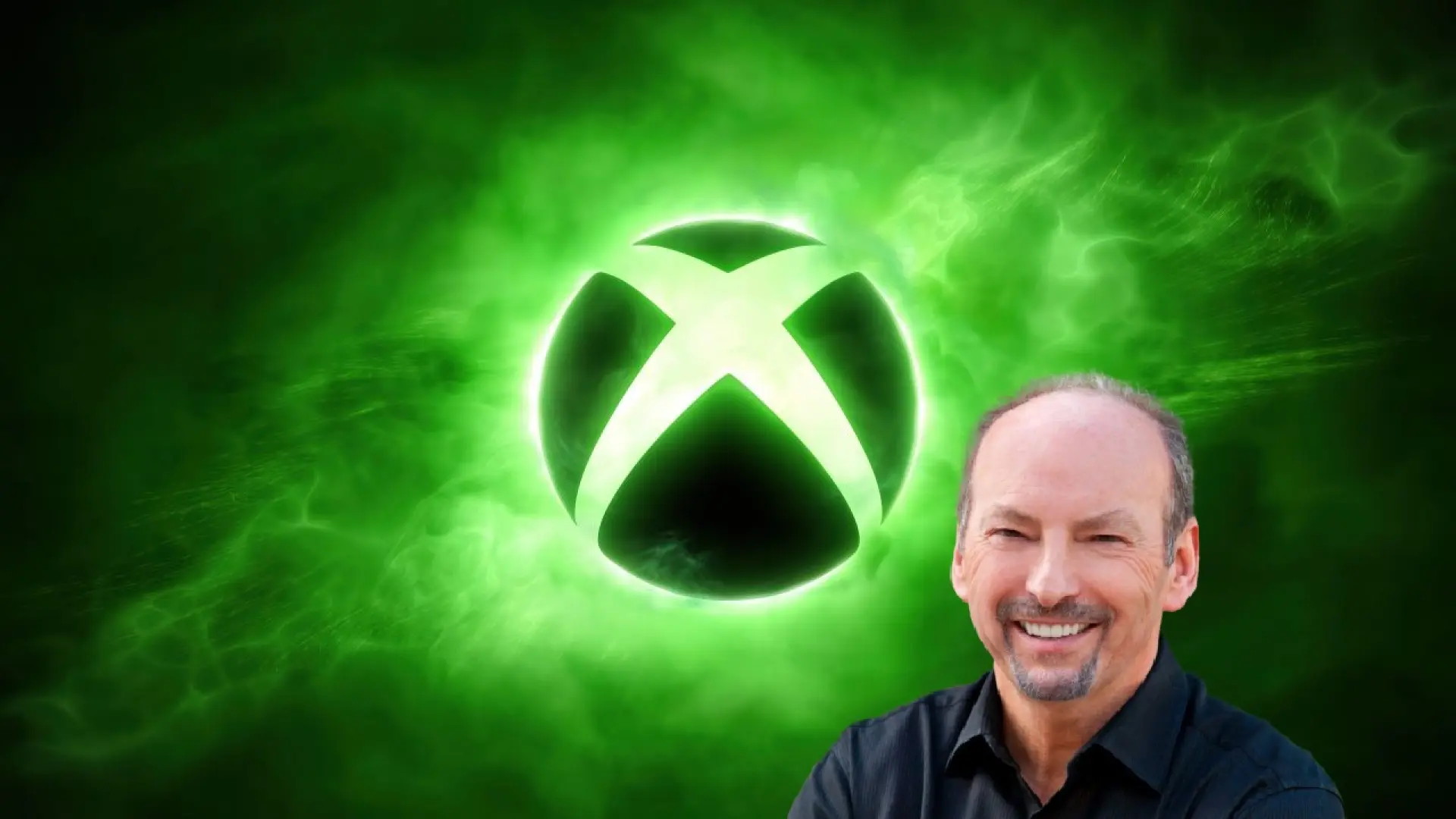
Shifting Tides at Xbox: Leadership Changes and the Future of Gaming
The gaming landscape is undergoing a significant transformation at Microsoft, with a series of high-profile departures and appointments reshaping the leadership structure of Xbox. Phil Spencer, the long-time head of Microsoft Gaming, has retired, even as Xbox President Sarah Bond has resigned. Asha Sharma has stepped into the role of CEO, marking a pivotal moment for the company as it navigates a competitive market and evolving technologies. These changes have sparked debate among fans and industry observers, with questions arising about the future direction of the Xbox platform and its ability to maintain its position in the gaming world.
The recent leadership shuffle at Xbox comes at a time of both opportunity and challenge for the gaming division. While Xbox has established itself as a major player with its Series X|S consoles and the popular Game Pass subscription service, the hardware market has faced headwinds, with sales of the Series X|S consoles declining 39% in the UK, according to recent reports. Despite these challenges, Xbox generated $24 billion in revenue in 2025, representing 8% of Microsoft’s overall gross income, a figure highlighted by former Microsoft executive Peter Moore as a significant contribution to the company’s bottom line.
The departure of Phil Spencer, who began his career at Microsoft as an intern in 1988 and rose to become CEO of Microsoft Gaming in 2022, marks the end of an era. His successor, Asha Sharma, previously held the position of CoreAI product president at Microsoft. The transition has been met with mixed reactions, with some questioning Sharma’s gaming background and her ability to lead the division effectively. Adding to the complexity, Sarah Bond, previously considered a potential successor to Spencer, has also left the company. Her exit was announced within Spencer’s own statement, several paragraphs after the news of his departure and Sharma’s appointment.
A New Era Under Asha Sharma: AI and the Future of Xbox
Asha Sharma’s appointment has ignited discussion about the role of artificial intelligence (AI) in the future of Xbox. Some, like former Blizzard president Mike Ybarra, have expressed support for the “This is an Xbox” campaign, which was reportedly spearheaded by Sarah Bond. However, others are concerned that Sharma’s background in AI might lead to an overemphasis on the technology at the expense of core gaming experiences. Sharma herself has indicated a belief that AI can improve various aspects of gaming, but the extent to which this vision will be implemented remains to be seen.
Peter Moore, a former Microsoft, Sega, and EA executive, offered a more optimistic perspective, suggesting that Sharma’s success hinges on her ability to effectively integrate AI into the gaming experience. “Asha brings a wealth of experience in AI and technology,” Moore stated in a post on X (formerly Twitter). “The opportunity now is to connect her with the creative momentum of Xbox. Spending time with studio leaders, leaning on veterans like Matt Booty, and interacting directly with teams will be critical. AI will play a significant role in the future of gaming. The key is to ensure it serves players and creators, not just efficiency metrics.” Moore emphasized the importance of balancing technological innovation with the needs of the gaming community.
The concerns surrounding Sharma’s leadership have been amplified by comments from Seamus Blackley, the creator and designer of the original Xbox. Blackley expressed a pessimistic view, stating that Sharma would act as a “palliative care doctor” slowly guiding Xbox towards its end. However, Moore countered this sentiment, pointing to the financial significance of Xbox to Microsoft. “This division generated $24 billion last year. It represents 8% of gross revenues. That’s not something they can quickly replace,” Moore explained. He further noted that while Xbox’s operating margins may not be as high as Microsoft’s productivity and cloud divisions, it remains a vital part of the company’s overall business.
Xbox’s Evolution and Continued Relevance
Moore underscored the importance of Xbox in expanding Microsoft’s reach beyond its traditional software and productivity offerings. “It puts Microsoft in the home. It puts Microsoft in the entertainment world. It puts Microsoft closer to the consumer. It reinforces Microsoft as more than a productivity company. That’s always what we wanted to do, and what Xbox, in particular, was meant to be,” he said. This perspective highlights the strategic value of Xbox as a platform for engaging with consumers and establishing a presence in the entertainment industry.
The transition at Xbox also involves a promotion for Matt Booty, who has been elevated to Chief Content Officer. Booty previously served as corporate vice president of Xbox Game Studios under Spencer. Microsoft has stated that there are currently no organizational changes underway for its studios, aiming to reassure developers and fans that the core structure of Xbox Game Studios remains intact. This move suggests a continued focus on delivering high-quality gaming content and supporting the creative teams responsible for Xbox’s first-party titles.
The future of Xbox under Sharma’s leadership remains uncertain, but dismissing the platform’s potential would be a mistake. Microsoft is expected to unveil new hardware at the Game Developers Conference (GDC) in March, and a new Xbox Developer_Direct is planned for the spring. These events will provide further insight into the company’s vision for the future of Xbox and its commitment to innovation in the gaming industry. The company’s ability to navigate the evolving landscape, embrace new technologies like AI, and continue delivering compelling gaming experiences will be crucial to its long-term success.
Key Takeaways
- Leadership Transition: Phil Spencer has retired, Sarah Bond has resigned, and Asha Sharma is the new CEO of Xbox.
- AI Focus: Sharma’s background in AI is prompting discussion about the role of the technology in the future of Xbox.
- Financial Significance: Xbox generated $24 billion in revenue in 2025, representing 8% of Microsoft’s gross income.
- Continued Investment: Microsoft remains committed to Xbox, with plans for new hardware and developer events.
The coming months will be critical as Asha Sharma establishes her vision for Xbox. Microsoft is scheduled to showcase new hardware at GDC in March and will likely provide further details on its plans for the platform during a spring Xbox Developer_Direct event. Stay tuned to World Today Journal for continued coverage of these developments and the evolving landscape of the gaming industry. Share your thoughts on the future of Xbox in the comments below.
Related reading