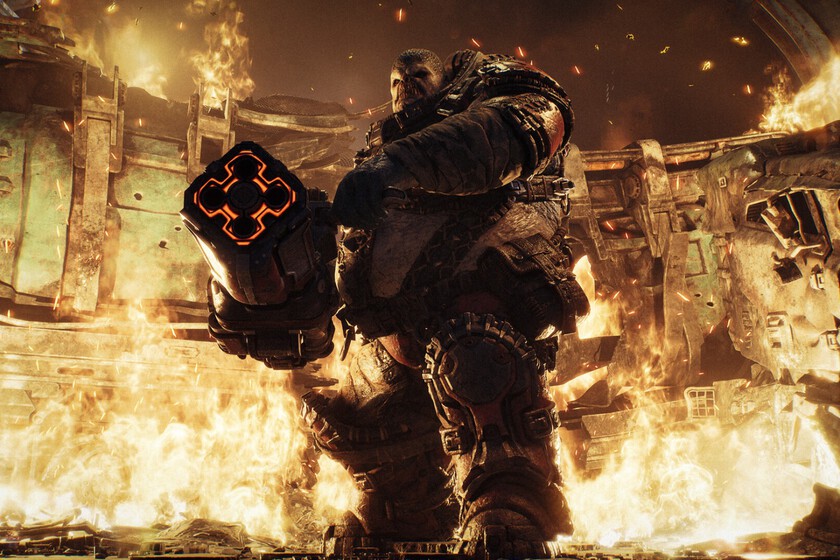
Xbox will continue releasing first-party game exclusives despite recent industry speculation suggesting the company might abandon its long-standing strategy. In a direct response to persistent rumors—including claims that the division was “one of its worst moments”—Microsoft’s Xbox leadership has reaffirmed its commitment to exclusives, according to statements from multiple gaming industry outlets and internal company communications. The confirmation comes amid broader uncertainty about Xbox’s future, including reports of internal restructuring and shifting priorities under Microsoft’s broader gaming ambitions.
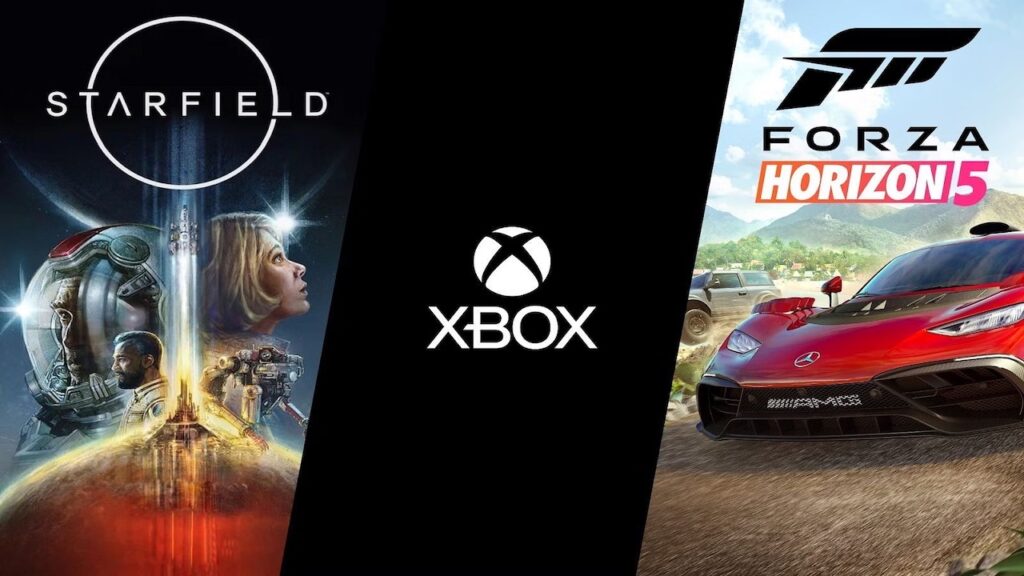
While Xbox has faced challenges—including underwhelming hardware sales for the Series X|S and delays in key projects—the company’s senior leadership, including Phil Spencer and Matt Booty, has explicitly stated that exclusives like Starfield, Forza Horizon 5, and upcoming titles will proceed as planned. “The exclusives announced at the Showcase are not going anywhere,” Booty told Level Up in an interview last week. “We’re doubling down on our first-party strategy.”
This latest clarification follows weeks of speculation, with some industry analysts suggesting Xbox might pivot toward multiplatform releases—similar to how Sony and Nintendo have occasionally shared titles across platforms—to boost sales. However, Xbox’s stance aligns with its historical approach, where exclusives have been a cornerstone of its identity since the original Xbox launched in 2001.
Why Xbox’s Exclusive Strategy Matters—and What’s Next
Xbox’s decision to maintain exclusives is significant for several reasons. First, it signals continuity in a time of transition for Microsoft’s gaming division. The company has been consolidating its gaming assets under Xbox Game Studios, a move that has led to layoffs, project cancellations, and internal restructuring. According to IGN, Xbox’s leadership has been under pressure to demonstrate progress amid these challenges.
Second, the strategy directly impacts gamers. Exclusives like Halo Infinite and Gears of War have been key drivers of Xbox’s hardware sales, particularly for the Series X|S. Without them, Xbox risks losing its competitive edge against PlayStation and Nintendo, which also rely on exclusives but have faced their own struggles with third-party support.
Finally, Xbox’s stance contrasts with recent industry trends. Sony, for example, has increasingly shared titles like Astro’s Playroom and Ratchet & Clank: Rift Apart on PC, while Nintendo has experimented with multiplatform releases like Mario Kart 8 Deluxe. Xbox’s refusal to follow this path suggests a deeper commitment to its ecosystem—one that could either pay off or further isolate its player base.
Key Takeaways from Xbox’s Leadership
- Exclusives are not going away. Xbox has explicitly stated that titles announced at its June Showcase—including Starfield, Forza Horizon 5, and Avowed—will release as planned, according to Level Up and HobbyConsolas.
- More exclusives are coming. Phil Spencer, Xbox’s head of gaming, has hinted at an increased focus on first-party titles in the coming years, though no specific titles or release dates have been confirmed beyond those already announced.
- Hardware struggles persist. Despite the commitment to exclusives, Xbox’s Series X|S sales have lagged behind expectations, with some analysts attributing this to a lack of compelling third-party games and high console prices.
- Internal restructuring continues. Microsoft has reportedly cut jobs and delayed projects within Xbox Game Studios, though leadership has not linked these moves to changes in the exclusive strategy.
How This Compares to Past Xbox Strategies
Xbox’s decision to double down on exclusives is not without precedent. The company has historically relied on first-party titles to differentiate itself, particularly during the original Xbox era and the launch of the Xbox 360. However, recent years have seen shifts:
| Year | Xbox Strategy | Key Exclusive Titles | Industry Context |
|---|---|---|---|
| 2001 | Launch of original Xbox with strong first-party focus | Halo: Combat Evolved, Fable | Sony and Nintendo dominated with broad third-party support |
| 2013 | Xbox One launch with mixed reception; exclusives struggled initially | Gears of War: Judgment, Forza Horizon | PS4 launch overshadowed Xbox One; Microsoft later pivoted to backward compatibility |
| 2017 | Xbox One X and Scorpio introduced; focus on Game Pass and exclusives | Halo Wars 2, Sea of Thieves | Game Pass became a major differentiator; third-party support improved |
| 2020 | Series X|S launch with strong exclusive lineup | Halo Infinite, Forza Horizon 5, Starfield | PS5 launch created competition; Xbox struggled with third-party adoption |
| 2024 | Commitment to exclusives despite industry rumors | Avowed, Forza Motorsport (upcoming) | Microsoft consolidates gaming assets; internal restructuring continues |
The table above shows how Xbox’s exclusive strategy has evolved over time. While the company has occasionally experimented with multiplatform releases (such as Forza Horizon 4 on PC and consoles), its core focus has remained on first-party titles. The current commitment to exclusives suggests that Xbox is doubling down on this approach, even as the broader gaming industry shifts toward more flexible publishing models.
What This Means for Gamers—and What’s Next
For Xbox gamers, the news is largely positive. The company’s insistence on exclusives means that long-awaited titles like Starfield (which has faced delays) and Avowed (a highly anticipated RPG) will still see the light of day. However, the bigger question is whether Xbox can sustain this strategy in the long term.
One major challenge is Microsoft’s broader gaming ambitions. The company has been aggressively expanding into cloud gaming (via Xbox Cloud Gaming) and mobile (with Xbox Game Pass Ultimate on iOS and Android). While these moves could potentially broaden Xbox’s reach, they also risk diluting the focus on exclusives—a strategy that has been both a strength and a weakness for the brand.
Additionally, Xbox’s hardware sales have been underwhelming. The Series X|S has sold fewer units than expected, partly due to high prices and limited third-party support. If Xbox continues to rely on exclusives without addressing these hardware challenges, it could face a Catch-22: exclusives drive sales, but weak hardware sales limit the company’s ability to invest in more exclusives.
Looking ahead, Xbox’s next major checkpoint will be its financial results for the current fiscal year, expected in late 2024. Analysts will be watching closely to see if the company’s exclusive strategy is paying off—or if Microsoft will make another pivot. For now, gamers can take comfort in the fact that their favorite Xbox titles are still on track.
Where to Follow Updates
For the latest on Xbox’s exclusive strategy and future announcements, keep an eye on:
- Xbox’s official website for press releases and updates.
- Xbox Developer Portal for technical and industry insights.
- Microsoft Gaming’s official blog for broader gaming strategy updates.
- IGN, Level Up, and HobbyConsolas for independent coverage.
Final Thoughts: What Gamers Should Do Now
If you’re an Xbox gamer, the message is clear: the exclusives you’ve been waiting for are still coming. However, the broader picture is more complicated. Xbox’s commitment to exclusives is a positive sign for fans, but the company’s long-term success will depend on how it balances this strategy with its hardware challenges and Microsoft’s broader gaming ambitions.
For now, the best course of action is to stay informed. Follow Xbox’s official channels, keep an eye on financial reports, and engage with the gaming community to share insights. If you have questions about Xbox’s strategy—or what it means for your favorite games—share your thoughts in the comments below.
What do you think about Xbox’s exclusive strategy? Will it pay off, or is the company setting itself up for failure? Let us know in the comments.
Keep reading