
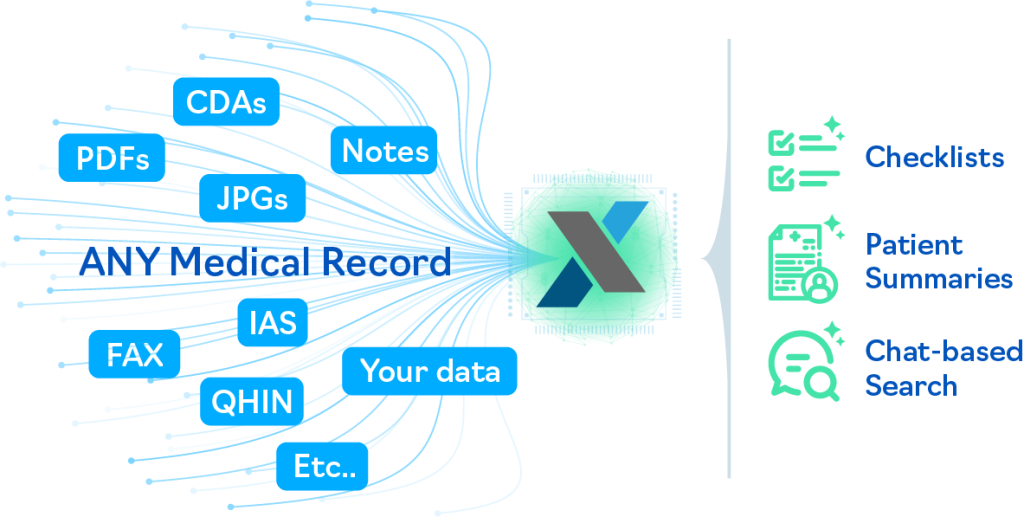
XCures, a health technology firm specializing in AI-powered medical record analysis and patient insights, continues to expand its role in clinical research and precision medicine. The company utilizes artificial intelligence to aggregate and interpret unstructured clinical data, aiming to accelerate the development of new treatments and improve patient outcomes in complex disease areas like oncology.
As the healthcare sector increasingly turns toward automated data processing, the integration of AI in medical research has become a focal point for regulatory bodies and health systems. According to the U.S. Food and Drug Administration (FDA), the implementation of AI and machine learning in medical software is subject to rigorous oversight to ensure safety and data integrity. Companies like XCures operate within this evolving regulatory framework, focusing on the extraction of real-world evidence from disparate electronic health records to support pharmaceutical development and clinical trial design.
The Role of AI in Clinical Data Processing
The primary challenge in modern clinical research is the volume of “unstructured” data—information trapped in physician notes, pathology reports, and imaging logs that are not easily searchable. XCures addresses this by deploying machine learning algorithms to normalize this data, transforming it into structured, research-ready formats. This process is essential for identifying patient cohorts for clinical trials, a task that has historically been manual and time-intensive.
In practice, the use of automated record processing enables researchers to gain a more comprehensive view of a patient’s medical journey. By analyzing longitudinal data—information collected over an extended period—researchers can identify patterns in how patients respond to specific therapies. This methodology aligns with the broader push toward “real-world evidence” (RWE), which the FDA defines as clinical evidence regarding the usage and potential benefits or risks of a medical product derived from sources other than traditional clinical trials.
Impact on Oncology and Precision Medicine
Oncology remains the most significant area of application for AI-driven record processing. Given the complexity of cancer treatments, including genomic testing and multi-modal therapy regimens, the ability to rapidly synthesize patient data is vital. XCures provides insights that help clinicians and researchers understand how specific genetic mutations correlate with treatment efficacy.

The transition toward precision medicine—where treatments are tailored to the individual characteristics of each patient—depends heavily on the accuracy of these data insights. When clinicians can access a consolidated, AI-analyzed report of a patient’s history, the time required for decision-making is significantly reduced. This is particularly relevant in cases where patients have exhausted standard treatment options and are seeking enrollment in experimental clinical trials.
Regulatory Oversight and Data Privacy
Operating in the health technology space requires strict adherence to privacy laws, including the Health Insurance Portability and Accountability Act (HIPAA) in the United States. Data security and patient anonymity are foundational to the operations of firms handling sensitive medical records. AI-driven platforms must implement robust de-identification protocols to ensure that while data remains useful for research, the identity of individual patients is protected.

Regulatory bodies continue to monitor the intersection of AI and clinical practice. The World Health Organization (WHO) has emphasized the importance of ethical governance in the deployment of AI, highlighting concerns regarding algorithmic bias and the transparency of decision-making tools. As companies like XCures refine their models, they must balance innovation with these international standards for medical ethics and data safety.
Future Developments in Health Informatics
Looking ahead, the integration of AI in clinical workflows is expected to expand from research environments into routine clinical practice. The focus will likely shift toward predictive analytics—using current data to anticipate potential health outcomes or complications before they manifest. As the infrastructure for health informatics matures, the interoperability between different electronic health record systems will remain a key factor in the effectiveness of these AI tools.

For patients, the ultimate goal of these technological advancements is improved access to targeted therapies and faster, more accurate diagnosis. As clinical research continues to shift toward a data-centric model, the collaboration between technology providers, healthcare institutions, and regulatory agencies will determine the pace at which these innovations reach the bedside.
Readers interested in the latest updates regarding AI in healthcare policy and clinical research can monitor official announcements from the Office of the National Coordinator for Health Information Technology. We encourage our readers to share their thoughts on the role of AI in their own healthcare experiences in the comments section below.